DMK MPs demand CEC Gyanesh Kumar's removal, SIR scrapping and return to ballot paper
Synopsis
DMK MPs, in a meeting chaired by party president M.K. Stalin, passed four resolutions demanding the removal of Chief Election Commissioner Gyanesh Kumar, scrapping of the SIR electoral roll revision, and a switch from EVMs back to ballot papers — escalating the opposition's confrontation with the Election Commission to a new level.
Key Takeaways
DMK MPs passed four resolutions at a parliamentary group meeting on 17 October 2026 in Chennai .
The first resolution demanded the removal of Chief Election Commissioner Gyanesh Kumar .
The party called for complete cancellation of the SIR (Special Intensive Revision) of electoral rolls and replacement of EVMs with ballot papers .
A petition to the President of India seeking corrective measures on electoral administration is proposed.
Separate resolutions extended support to student protests and condemned Congress and TVK for alleged double standards.
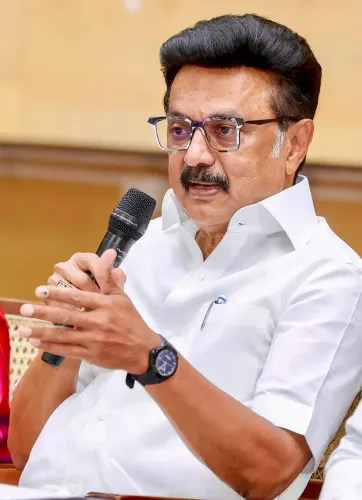
The meeting was chaired by DMK president M.K.
Stalin at Anna Arivalayam , the party's Chennai headquarters.
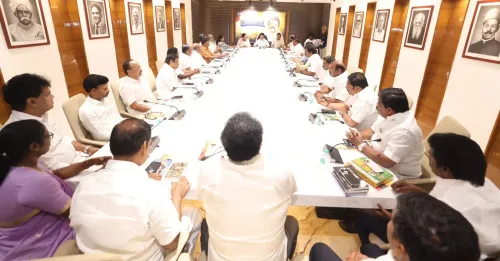
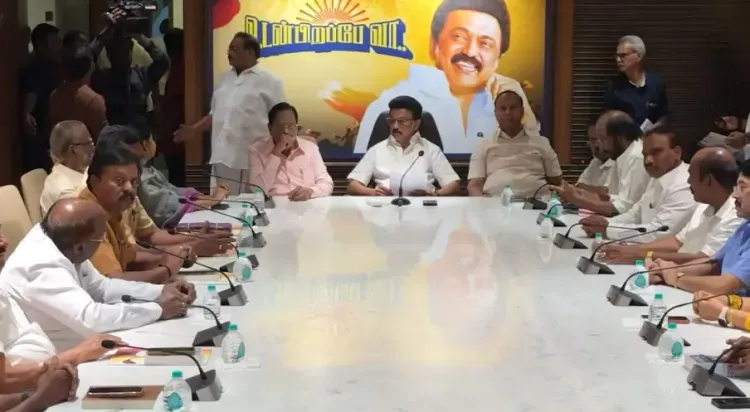
Dravida Munnetra Kazhagam (DMK) Members of Parliament on Saturday, 17 October 2026 passed four resolutions at a party meeting in Chennai, demanding the removal of Chief Election Commissioner Gyanesh Kumar, cancellation of the Special Intensive Revision (SIR) of electoral rolls, and a return to ballot paper voting in place of Electronic Voting Machines (EVMs). The decisions were adopted at a parliamentary group meeting chaired by DMK president M.K. Stalin at the Murasoli Maran Meeting Hall in Anna Arivalayam, the party's headquarters in Chennai.
Key Resolutions Passed
The first and most pointed resolution called for Gyanesh Kumar's removal as Chief Election Commissioner, placing him at the centre of the party's criticism of the country's electoral administration. The resolution did not, however, specify individual instances of alleged irregularities or detail the legal or constitutional grounds on which his removal would be sought.
The fourth resolution — which addressed the party's core electoral concerns — called for the complete cancellation of the SIR, the replacement of EVMs with ballot papers, and the filing of a formal petition with the President of India seeking corrective measures. The proposed presidential representation is intended to place these demands on record at the highest constitutional level, according to a party statement.
Other Resolutions: Student Protests and Political Rivals
A second resolution formally extended DMK's support to protests being organised by student organisations, though the party statement did not identify the groups involved, their specific demands, or the locations of the demonstrations.
The third resolution condemned the Indian National Congress (Congress) and the Tamilaga Vettri Kazhagam (TVK), accusing both parties of adopting double standards. The resolution did not elaborate on the specific statements or actions that prompted the censure.
What the DMK Is Alleging
The party's combined resolutions reflect a broader narrative of alleged electoral irregularities in the administration of voter rolls and the voting process itself. The SIR has been a subject of controversy, with opposition parties across several states arguing that the revision process risks the deletion of genuine voters from the rolls. The DMK's demand for a return to ballot papers echoes a longstanding concern raised by multiple opposition formations, who argue that EVMs are susceptible to manipulation — a claim that the Election Commission of India (ECI) has consistently rejected.
Notably, the resolutions did not provide further details of the proposed presidential petition or specify a timeline for its submission.
Political Context
The meeting comes amid a period of heightened political sensitivity around electoral processes in India. The DMK, which leads the ruling coalition in Tamil Nadu, has been among the most vocal regional parties in questioning the ECI's functioning. The criticism of Congress and TVK in the same set of resolutions signals the party's intent to differentiate its position on electoral accountability from that of its own alliance partners at the national level.
How the Election Commission and the Centre respond to these demands — and whether the presidential petition is formally filed — will determine the next stage of this political confrontation.
Point of View
And the absence of specific grounds in the resolutions will invite questions about evidentiary basis. More telling is the simultaneous censure of Congress and TVK — a reminder that the DMK is positioning itself as the anchor of electoral accountability discourse in Tamil Nadu, even at the cost of friction with allies. Whether the presidential petition materialises, and what response it draws, will test how far this campaign is a political statement versus a sustained institutional challenge.
NationPress
17 Oct 2026
Frequently Asked Questions
What did DMK MPs demand at their 17 October 2026 meeting?
DMK MPs passed four resolutions demanding the removal of Chief Election Commissioner Gyanesh Kumar, cancellation of the Special Intensive Revision (SIR) of electoral rolls, replacement of EVMs with ballot papers, and submission of a petition to the President of India on electoral irregularities. The meeting was chaired by DMK president M.K. Stalin in Chennai.
What is the Special Intensive Revision (SIR) of electoral rolls?
The SIR is an exercise conducted by the Election Commission of India to update and revise voter lists. Opposition parties, including the DMK, have argued that the process risks the deletion of genuine voters from electoral rolls, calling for its cancellation.
Why is the DMK demanding the removal of Chief Election Commissioner Gyanesh Kumar?
The DMK placed Gyanesh Kumar at the centre of its criticism of electoral administration, alongside its opposition to the SIR exercise. However, the party's resolutions did not specify individual instances of alleged irregularities or outline the legal grounds for seeking his removal.
What is the DMK's position on EVMs?
The DMK has demanded that Electronic Voting Machines be replaced with ballot papers, echoing a broader opposition argument that EVMs are susceptible to manipulation. The Election Commission of India has consistently rejected such claims.
Why did the DMK condemn Congress and TVK in the same meeting?
A third resolution condemned Congress and the Tamilaga Vettri Kazhagam (TVK) for allegedly adopting double standards. The party statement did not elaborate on the specific actions or statements that prompted the censure, but the move signals the DMK's intent to distinguish its stance on electoral accountability from that of other parties.