Kerala Assembly passes resolution to remove CEC Gyanesh Kumar
Synopsis
In an unprecedented move, the Kerala Assembly — with ruling LDF and opposition UDF legislators voting together — passed a resolution demanding the removal of Chief Election Commissioner Gyanesh Kumar, citing electoral roll irregularities and voter disenfranchisement. The resolution also calls for restoring the Chief Justice of India to the EC selection panel, directly challenging a recent Union law. It is the first such resolution in Kerala's legislative history.
Key Takeaways
The Kerala Legislative Assembly on 12 October 2026 passed a resolution seeking the removal of Chief Election Commissioner Gyanesh Kumar .
Satheesan moved the resolution; it was supported by both the UDF (102 seats) and LDF (35 seats) , with only the BJP's 3 MLAs voting against.
The resolution demands correction of irregularities in the Special Intensive Revision (SIR) of electoral rolls and restoration of wrongfully excluded voters.
It proposes that the Chief Justice of India be included in the panel for selecting Election Commissioners, alongside the PM and Leader of Opposition.
BJP supporters burnt a copy of the resolution outside the Assembly complex shortly after its passage.
The resolution is recommendatory and not legally binding on the Union government or the ECI.
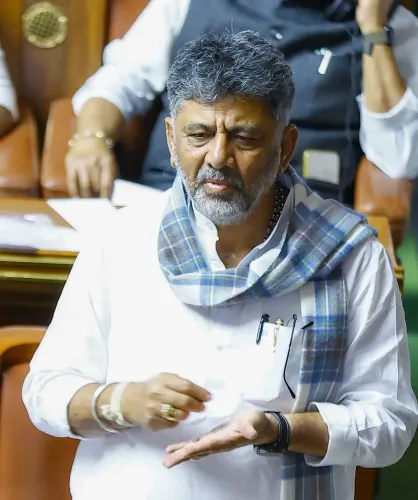
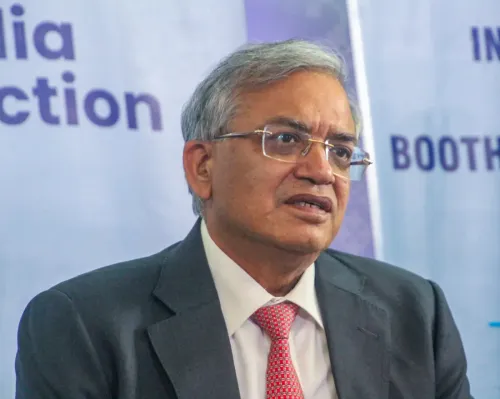
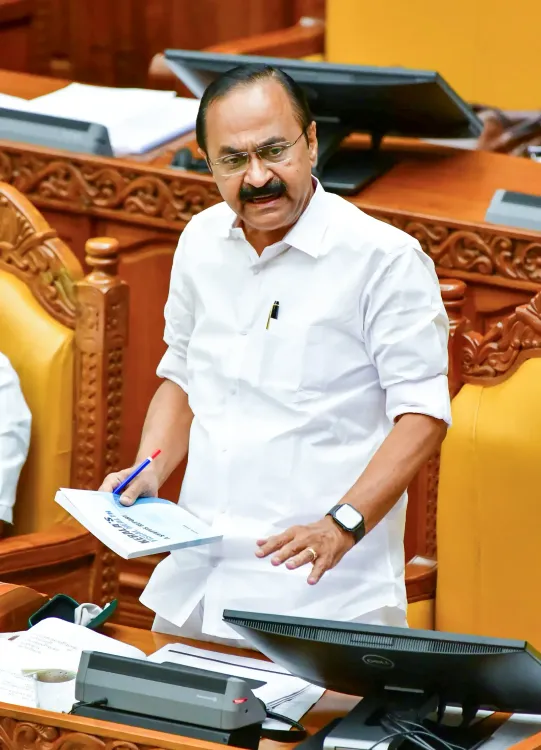
The Kerala Legislative Assembly on Monday, 12 October 2026, passed a resolution seeking the removal of Chief Election Commissioner (CEC) Gyanesh Kumar, in what Chief Minister V.D. Satheesan described as a historic first for the state. The resolution also demands the restoration of voting rights to eligible citizens wrongfully excluded from electoral rolls and proposes a reformed selection process for Election Commissioners.
What the Resolution Demands
The resolution, moved by Chief Minister Satheesan on the floor of the 140-member Assembly, places three core demands before the authorities. First, it calls for the correction of irregularities in the Special Intensive Revision (SIR) of electoral rolls. Second, it demands that the voting rights of eligible citizens excluded from these rolls be restored immediately. Third, it seeks the initiation of formal proceedings to remove the Chief Election Commissioner and the reform of the panel responsible for selecting Election Commissioners.
The proposed selection committee would comprise the Prime Minister, the Leader of Opposition in the Lok Sabha, and the Chief Justice of India — a composition aimed, according to the resolution's proponents, at strengthening the independence and credibility of the Election Commission of India (ECI).
Cross-Party Unity — and the Opposition
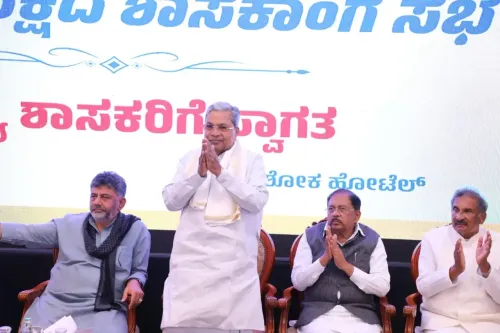
In a notable display of cross-party consensus, the resolution was supported by legislators from both the Congress-led United Democratic Front (UDF) — which holds 102 seats — and the Communist Party of India (Marxist)-led Left Democratic Front (LDF), which holds 35 seats. The two fronts, political rivals on most issues, stood together on this vote. The Bharatiya Janata Party (BJP)'s three MLAs voted against the resolution. Shortly after the resolution was passed, BJP supporters outside the Assembly complex reportedly burnt a copy of the resolution in protest.
What the Chief Minister Said
'Keralam makes history. For the first time, the Keralam Legislative Assembly has passed a resolution seeking the removal of the Chief Election Commissioner,' CM Satheesan said in a social media post. He added: 'The integrity of our electoral process is non-negotiable,' asserting that concerns over voter roll revisions, the disenfranchisement of eligible voters, and the impartiality of the poll panel could not be ignored. 'The right to vote is the foundation of our democracy. No institution can be allowed to undermine the constitutional rights of our citizens,' he said.
Background and Constitutional Context
The resolution centres on the ECI's conduct of the Special Intensive Revision (SIR) of electoral rolls, which critics allege has led to the wrongful exclusion of eligible voters. This comes amid a broader national debate over the Election Commission's independence following the passage of the Chief Election Commissioner and Other Election Commissioners (Appointment, Conditions of Service and Term of Office) Act, which removed the Chief Justice of India from the selection panel — precisely the change Kerala's resolution seeks to reverse. The state Assembly's move is unlikely to be legally binding on the Union government or the ECI, but it carries significant symbolic and political weight. A state legislature's resolution of this nature is constitutionally permissible as a recommendatory instrument, and its passage underscores deepening tensions between certain state governments and the Union-appointed ECI over electoral roll management.
What Happens Next
The resolution will be forwarded to the relevant constitutional authorities. However, the actual removal of the Chief Election Commissioner requires action at the Union level, and with the BJP-led Centre unlikely to act on a resolution opposed by its own legislators, the immediate constitutional impact remains limited. The episode is expected to intensify the national conversation around Election Commission reforms ahead of the next round of state assembly elections.
Point of View
And Kerala's UDF-LDF unity on this vote signals that the discomfort cuts across the usual political trenches. The resolution will change nothing directly — removal requires Union action — but it raises the political cost of inaction for the Centre and keeps the electoral integrity debate alive heading into the next election cycle. What mainstream coverage underplays is the legal reform angle: the proposed three-member selection panel mirrors the Supreme Court's own direction in the Anoop Baranwal judgment, giving this resolution a judicial legitimacy hook that purely political resolutions lack.
NationPress
12 Oct 2026
Frequently Asked Questions
What is the Kerala Assembly resolution against CEC Gyanesh Kumar?
It is a resolution passed by the Kerala Legislative Assembly on 12 October 2026, demanding the removal of Chief Election Commissioner Gyanesh Kumar, the correction of irregularities in the Special Intensive Revision of electoral rolls, and a reformed selection process for Election Commissioners. It is the first such resolution in Kerala's legislative history.
Why did the Kerala Assembly pass this resolution?
The resolution was triggered by concerns over the Special Intensive Revision (SIR) of electoral rolls, which proponents allege led to the wrongful exclusion of eligible voters from the rolls. It also reflects wider criticism of the Election Commission's impartiality and the composition of its appointment panel under current law.
Who voted for and against the resolution?
The resolution was supported by legislators from both the Congress-led UDF (102 seats) and the CPI(M)-led LDF (35 seats), reflecting rare cross-party consensus. The BJP's three MLAs voted against it.
Can the Kerala Assembly's resolution actually remove the CEC?
No. The resolution is recommendatory and not legally binding. Removal of the Chief Election Commissioner requires action by the Union government under constitutional provisions, and with the BJP-led Centre opposing the resolution, immediate constitutional impact is limited.
What changes to the Election Commission selection process does the resolution propose?
The resolution proposes that the selection panel for Election Commissioners comprise the Prime Minister, the Leader of Opposition in the Lok Sabha, and the Chief Justice of India — restoring the CJI to a role removed under recent Union legislation.