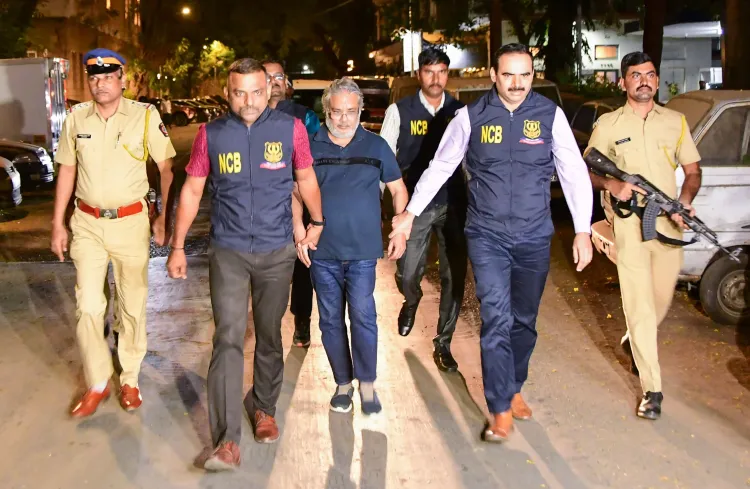
Salim Dola arrest exposes Dawood's mephedrone network targeting India
Synopsis
Salim Dola wasn't just smuggling mephedrone — he was building an industrial-scale supply chain inside India, using poultry farms, dhabas, and dark web recruitment. His arrest has cracked open a network that intelligence officials say was being turbocharged by ISI money demands to fund Lashkar-e-Taiba and Jaish-e-Mohammad.
Key Takeaways
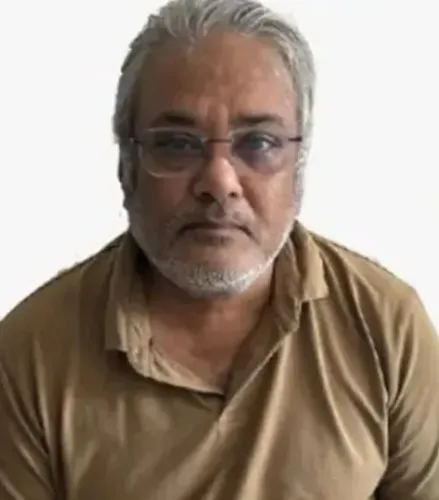
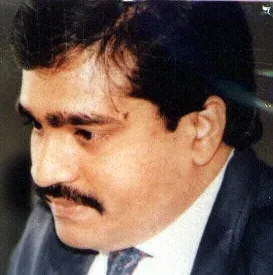
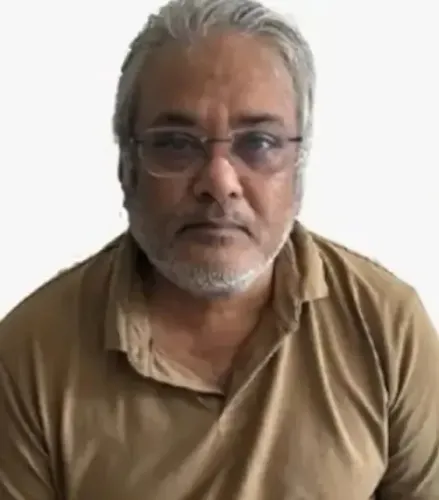
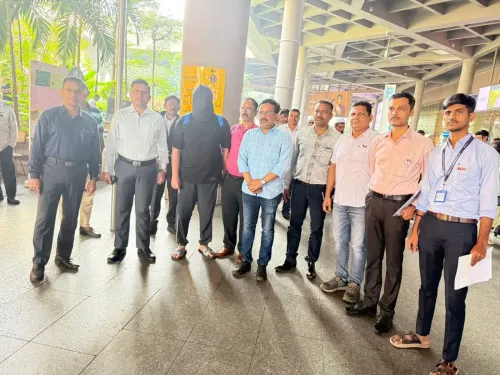
Salim Dola , close aide of Dawood Ibrahim , was arrested and is being questioned about a transnational mephedrone smuggling network.
Mephedrone costs just ₹160 per gram versus ₹3,000 for cocaine, making it the dominant drug of choice among India's youth.
Studies indicate 8 out of 10 drug addicts in Mumbai use mephedrone.
Dola's syndicate operated clandestine labs in poultry farms and roadside dhabas , training recruits via the dark web .
Recent seizures include 270 kg worth ₹81 crore in January 2026 and a ₹12,000 crore factory bust in Telangana .
An Intelligence Bureau official says the ISI is pushing syndicates to boost drug smuggling by over 50% to fund Lashkar-e-Taiba and Jaish-e-Mohammad .
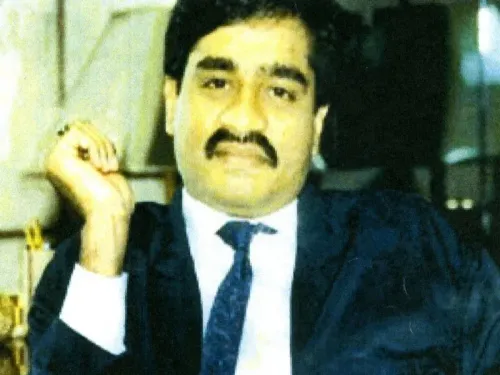
The arrest of Salim Dola, a close aide of fugitive underworld don Dawood Ibrahim, has handed Indian intelligence agencies a significant breakthrough, according to officials. Investigators say Dola's questioning is expected to unravel a vast transnational drug syndicate that had been systematically flooding Indian markets with mephedrone — and was planning a dramatic scale-up of operations across multiple states.
Why Mephedrone Was Dola's Drug of Choice
Mephedrone — also known by street names such as white magic, meow-meow, and bubble, and chemically identified as 4-methylmethcathinone (4-MMC) — first arrived in India in 2013 and has since become one of the most widely consumed synthetic drugs among the country's youth. Officials say Dola deliberately centred his narcotics business around mephedrone because of its mass-market appeal: at roughly ₹160 per gram, it is a fraction of the cost of cocaine, which retails at approximately ₹3,000 per gram. Studies cited by investigators indicate that in Mumbai, 8 out of 10 drug addicts use the substance, underlining its grip on urban youth.
Scale-Up Plans and Target States
According to officials, Dola had already established supply routes to ramp up mephedrone smuggling into India and was planning to push the drug into far larger quantities in the months ahead. His primary focus states were Gujarat, Maharashtra, and Madhya Pradesh, with expansion to several other states reportedly in the pipeline. Beyond mephedrone, his syndicate also dealt in mandrake, charas, and methamphetamine, and operated across a network of countries spanning the Middle East, Africa, and Europe.
Unconventional Manufacturing and Dark Web Recruitment
Investigators say the syndicate deliberately avoided conventional drug manufacturing setups. Instead, Dola and his associates operated clandestine production units inside poultry farms and roadside dhabas, changing locations frequently to evade law enforcement. The syndicate reportedly recruited young individuals to manufacture the drug, with many trained in the production process via the dark web. Probe findings also suggest Dola was working to build a network of chemists and pharma dealers within India to distribute mephedrone — links that investigators say are currently under active scrutiny.
Recent Seizures Reflect Growing Menace
The scale of recent enforcement action underscores how deeply mephedrone has penetrated India's drug supply chain. In January 2026, 270 kg of mephedrone valued at ₹81 crore was seized. Under Operation Sahyadri Checkmate, the Directorate of Revenue Intelligence (DRI) dismantled a mobile production lab and seized 22 kg of the drug. In 2026, the Mumbai Police busted a major mephedrone factory in Telangana valued at ₹12,000 crore. Separately, the Narcotics Control Bureau (NCB) and local police raided a remote farmhouse lab in Sirohi, Rajasthan, which had the capacity to produce 100 kg of mephedrone.
ISI Link and Terror Financing Angle
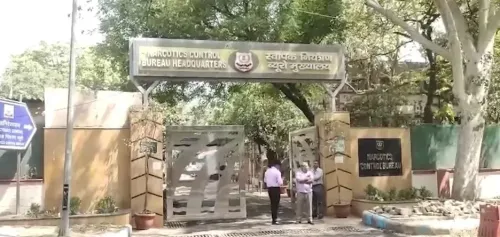
An Intelligence Bureau official told NationPress that Dola's arrest, along with that of his close aides, represents a significant setback for the Dawood Ibrahim drug syndicate. The official added that the arrests come at a critical juncture, with Pakistan's Inter-Services Intelligence (ISI) reportedly pushing affiliated syndicates to increase narcotic smuggling by more than 50%. According to the official, proceeds from this drug trade are used to fund terror outfits including Lashkar-e-Taiba and Jaish-e-Mohammad. The investigation into Dola's India-based supply chain is ongoing, and officials say a clearer picture of his domestic distribution network is expected to emerge in the coming days.
Point of View
Mobile labs in dhabas and poultry farms, and a pharma distribution penetration strategy. Indian agencies have long tracked the Dawood-ISI nexus, but Dola's arrest offers rare human intelligence that could map the domestic supply chain in real time — if agencies move fast enough before networks go dark.
NationPress
19 Sept 2026
Frequently Asked Questions
Who is Salim Dola and why was he arrested?
Salim Dola is described by Indian intelligence officials as a close aide of fugitive underworld figure Dawood Ibrahim. He was arrested in connection with running a transnational drug syndicate that smuggled mephedrone and other narcotics into India, with investigators saying he was planning a major expansion of operations.
What is mephedrone and why is it so prevalent in India?
Mephedrone, chemically known as 4-methylmethcathinone (4-MMC) and sold under street names like meow-meow and white magic, is a highly addictive synthetic drug that first appeared in India in 2013. At approximately ₹160 per gram — far cheaper than cocaine — it has become the most widely used drug among India's youth, with studies indicating 8 out of 10 drug addicts in Mumbai use it.
Which states was Dola's mephedrone network targeting in India?
According to officials, Dola primarily focused on Gujarat, Maharashtra, and Madhya Pradesh, with plans reportedly in place to expand to several other Indian states. His syndicate was also working to recruit chemists and pharma dealers to build a domestic distribution network.
How does Dola's drug network connect to terror financing?
An Intelligence Bureau official stated that proceeds from Dola's drug trade were being used to fund terror groups including Lashkar-e-Taiba and Jaish-e-Mohammad. The official added that Pakistan's ISI was reportedly pushing affiliated syndicates to increase narcotics smuggling by more than 50% to generate funds for these organisations.
What major mephedrone seizures have taken place in India recently?
Between 2025 and 2026, several large seizures were recorded: 270 kg valued at ₹81 crore was seized in January 2026; the DRI dismantled a mobile lab and seized 22 kg under Operation Sahyadri Checkmate; Mumbai Police busted a Telangana factory valued at ₹12,000 crore; and the NCB raided a farmhouse lab in Sirohi, Rajasthan capable of producing 100 kg of the drug.