Donors hand CM Fadnavis ₹51,000 cheque for drought relief
Synopsis
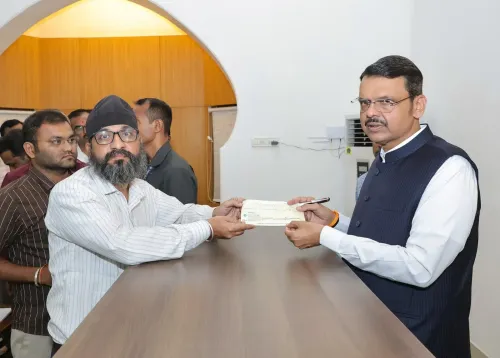
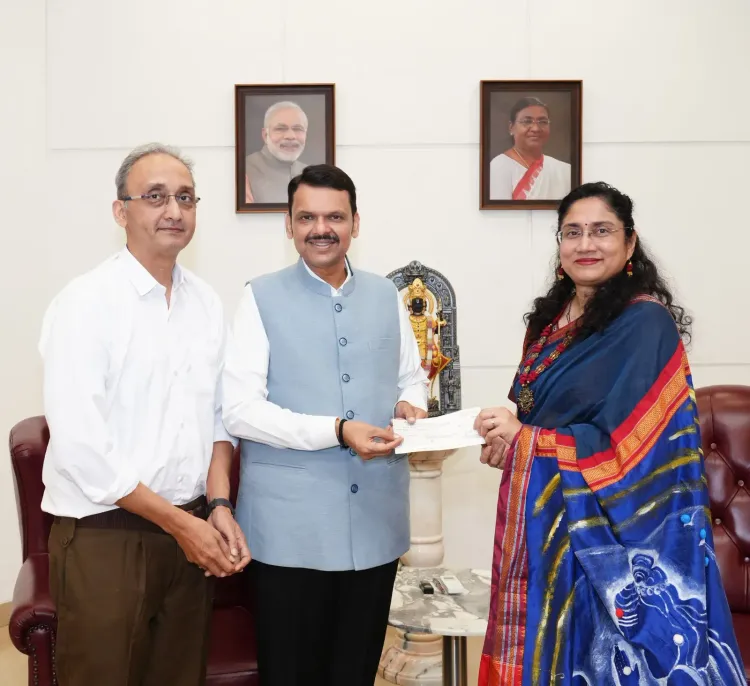
Chetan and Pallavi Tamhanekar handed CM Devendra Fadnavis a ₹51,000 cheque in Mumbai on 25 October 2026, contributing to Maharashtra's Chief Minister's Relief Fund for drought-affected farmers across the state.
Key Takeaways
Chetan Tamhanekar and Pallavi Tamhanekar donated ₹51,000 to the Chief Minister's Relief Fund on 25 October 2026 .
The donation was presented directly to Chief Minister Devendra Fadnavis in Mumbai .
Funds are designated for drought-affected farmers in Maharashtra.
The Chief Minister's Sahayata Nidhi is the state's primary mechanism for channelling public and private aid during natural calamities.
Regions like Marathwada and Vidarbha are chronically vulnerable to drought and are the principal beneficiaries of such relief pools.
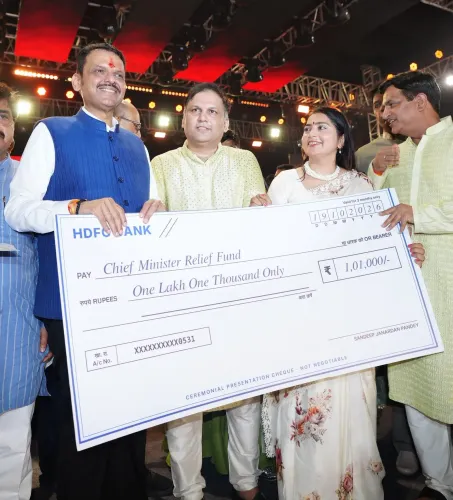
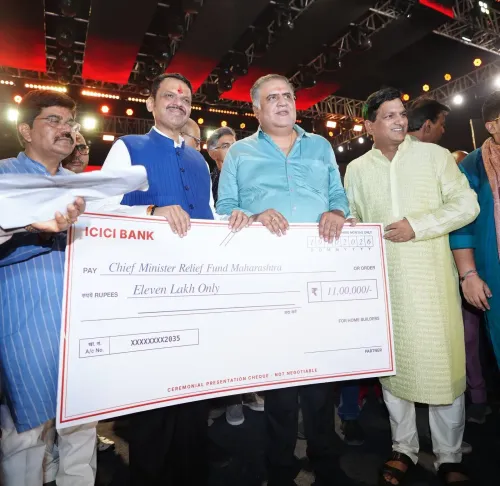
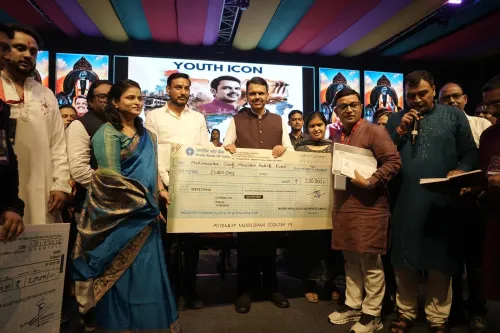
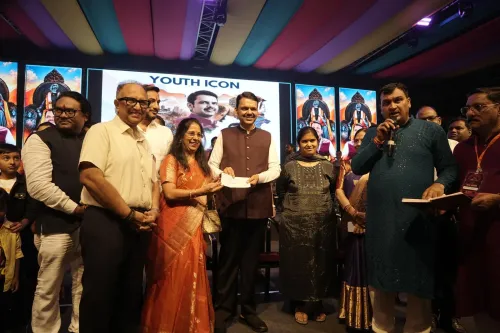
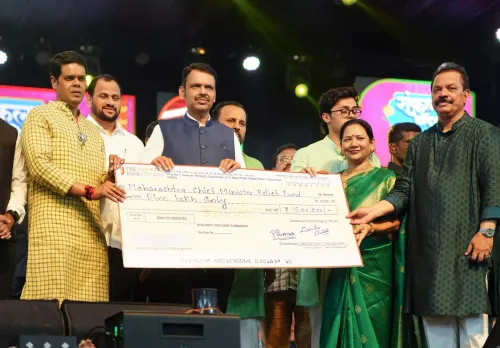
A ₹51,000 cheque changed hands in Mumbai on Sunday, 25 October 2026 — a modest but deliberate gesture aimed at Maharashtra's drought-stricken farming communities. Chetan Tamhanekar and Pallavi Tamhanekar personally presented the donation to Chief Minister Devendra Fadnavis, contributing to the state's Chief Minister's Relief Fund earmarked for farmers in distress.
The Chief Minister's Office of Maharashtra confirmed the handover, noting that CM Fadnavis expressed his gratitude to the donors at the occasion. The post, shared in Marathi, read: 'Chetan Tamhanekar ani Pallavi Tamhanekar yanhi duShkaLagrast ShetkaryAnchya madatIsAThi Mukhyamantri Sahayata Nidhi madhe ₹51,000 denaGicha dhanaadesh supurd kela' — 'Chetan Tamhanekar and Pallavi Tamhanekar presented a donation cheque of ₹51,000 to the Chief Minister's Relief Fund for the assistance of drought-affected farmers.'
What the Chief Minister's Relief Fund does
The Chief Minister's Sahayata Nidhi (Relief Fund) is Maharashtra's state-level mechanism for pooling public and private contributions during natural calamities. When drought conditions grip regions like Marathwada and Vidarbha — both chronically vulnerable to erratic monsoons — the fund supplements official government disbursements, channelling resources to affected cultivators more rapidly than standard budget allocations.
Private donations of this kind represent a routine but meaningful strand of India's public-private coordination during agricultural distress. Contributors range from corporations and trusts to individual citizens, each cheque adding to a collective buffer that the state can deploy for immediate relief operations.
Drought in Maharashtra's farming belt
Maharashtra has faced recurring drought cycles, with Marathwada and Vidarbha bearing the heaviest burden — these two regions together account for a significant share of the state's farmer population and its episodes of agrarian distress. Each drought season triggers fresh pressure on state finances, making supplementary channels like the relief fund operationally significant. CM Fadnavis, in his tenure, has consistently positioned rapid relief and rural welfare as policy priorities.
Contributions to the fund do not replace the state's own budgetary response, but they widen the resource base and, equally important, signal civic solidarity with affected communities at a moment when that signal carries weight.
Every cheque handed over in Mumbai is a reminder that Maharashtra's drought story is still being written — and that the next disbursement report from the state revenue department will tell whether these contributions translated into aid on the ground.
Point of View
More visibly, generate public momentum around crisis acknowledgment. For Fadnavis — who has staked a significant part of his political identity on rural welfare and agrarian distress management in Marathwada and Vidarbha — each such event reinforces that narrative. The real test, however, remains the state revenue department's disbursement data: how fast, and to whom, relief actually reaches the field.
NationPress
25 Oct 2026
Frequently Asked Questions
What is the Maharashtra Chief Minister's Relief Fund?
The Maharashtra Chief Minister's Sahayata Nidhi is a state-managed fund that collects public and private donations to provide rapid assistance during natural calamities such as drought, floods, or other emergencies affecting citizens, particularly farmers.
Who donated to CM Fadnavis's relief fund on 25 October 2026?
Chetan Tamhanekar and Pallavi Tamhanekar presented a cheque of ₹51,000 to Chief Minister Devendra Fadnavis in Mumbai on 25 October 2026 for the Chief Minister's Relief Fund.
How can individuals donate to the Maharashtra CM Relief Fund?
Individuals and organisations can contribute to the Chief Minister's Sahayata Nidhi by presenting a cheque or making an online transfer through the official Maharashtra government portal; the donation is typically acknowledged directly by the Chief Minister's Office.
Which parts of Maharashtra are most affected by drought?
Marathwada and Vidarbha are the regions in Maharashtra most chronically vulnerable to drought, with their largely rain-fed agricultural economies hit hardest during deficient monsoon seasons.
Is a donation to the CM Relief Fund tax-exempt in India?
Contributions to notified Chief Minister's Relief Funds in India are generally eligible for tax deduction under Section 80G of the Income Tax Act, though donors should verify the specific exemption status with a tax professional.