DSPMU Ranchi student clashes: Seat cuts, reservation row spark police action
Synopsis
Students at DSPMU Ranchi took to the streets over alleged seat cuts and reservation violations — only to be met with police force. With effigy-burning, ink thrown on the Vice-Chancellor's vehicle, and weeks of ignored memorandums behind them, the agitation now threatens to escalate unless the administration opens dialogue.
Key Takeaways
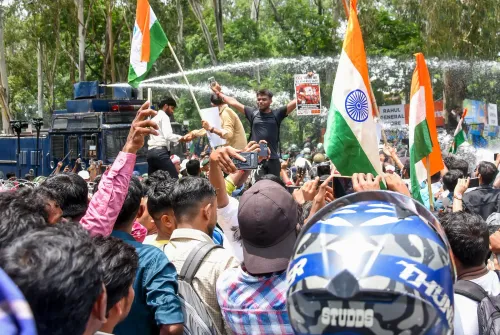
Clashes broke out between students and police at Dr Shyama Prasad Mukherjee University (DSPMU) , Ranchi , on 20 July .
Students alleged a significant reduction in undergraduate seats across BCA, BBA, B.Com and other vocational courses.
The recently published admission list was accused of not complying with Jharkhand's state reservation policy .
Protesters burnt an effigy of the Vice-Chancellor and allegedly threw ink on his vehicle.
Demands include seat restoration, permanent faculty appointments, SC/ST fee concessions, scholarship disbursal, and implementation of PhD regulations .
The university administration had issued no official response as of the time of reporting; student groups have threatened to intensify the agitation.
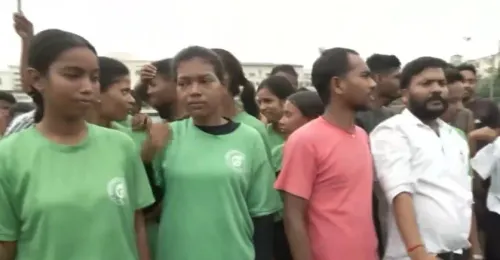
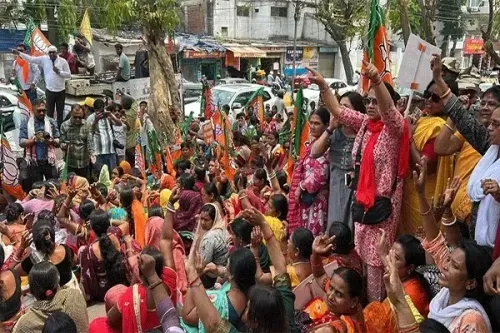
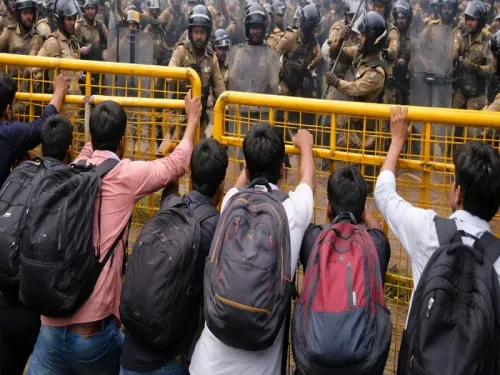
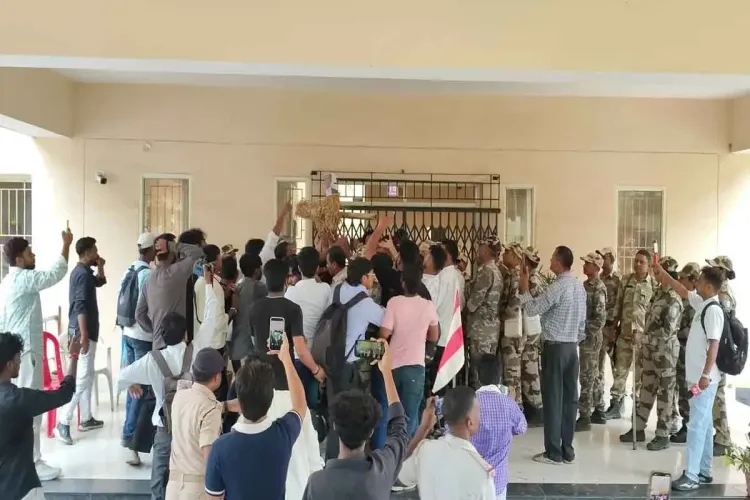
Violent clashes broke out between students and police at Dr Shyama Prasad Mukherjee University (DSPMU) in Ranchi on 20 July over the alleged reduction in undergraduate seats, violations of the state government's reservation policy, and a range of unaddressed student welfare demands. Additional security personnel were deployed on campus after police used force to disperse the demonstrators, triggering widespread tension in and around the university.
What Sparked the Protests
Students alleged that the university administration had significantly slashed the number of seats in both traditional and vocational undergraduate programmes, including BCA, BBA, B.Com, and other career-oriented courses. Protesters argued the cuts would disproportionately harm students from economically weaker and middle-class families seeking access to professional education.
A separate grievance centred on the recently published admission list, which student groups claimed did not comply with Jharkhand's state reservation norms. They demanded an immediate review of the admission process and the release of a revised list that properly adheres to reservation guidelines.
Escalation on Campus
Representatives of multiple student organisations said they had submitted memorandums to the university administration over several weeks without receiving any concrete response. Frustrated by the silence, protesters burnt an effigy of the Vice-Chancellor outside the administrative building. Some demonstrators also allegedly threw ink on the Vice-Chancellor's vehicle during the agitation.
As the situation deteriorated, police moved in to clear the campus. The use of force triggered chaos, though there was no immediate official confirmation of any serious injuries, according to reports.
Full List of Student Demands
Student groups have put forward a wide-ranging set of demands beyond seat restoration. These include the appointment of permanent faculty in various departments — specifically the Tribal and Regional Languages Department — fee concessions for SC/ST students, timely disbursal of scholarships, recruitment against roster and backlog vacancies, and full implementation of PhD regulations.
Notably, many of these demands reflect systemic issues that have reportedly persisted at the university for an extended period, suggesting the seat-cut controversy was the immediate trigger for a deeper, longer-running discontent.
What Happens Next
Student leaders warned that the agitation would be intensified if the administration fails to act on their demands promptly. As of the time of reporting, the university administration had not issued any official response to the allegations. With additional security deployed and no dialogue initiated, the standoff risks prolonging disruption to the academic calendar for thousands of enrolled students.
Point of View
Reservation non-compliance, and unfilled faculty posts points to structural neglect rather than a single policy misstep. What is striking is that student groups submitted memorandums for weeks before resorting to agitation, suggesting the administration had ample warning and chose inaction. If Jharkhand's higher education authorities do not intervene swiftly, the disruption to the academic calendar could hurt the very students the reservation policy was designed to protect.
NationPress
20 Oct 2026
Frequently Asked Questions
Why did students clash with police at DSPMU Ranchi?
Students clashed with police at Dr Shyama Prasad Mukherjee University in Ranchi on 20 July over the alleged reduction of undergraduate seats in courses such as BCA, BBA, and B.Com, and over claims that the published admission list violated Jharkhand's state reservation policy. The protest escalated after weeks of ignored memorandums to the administration.
What are the students' main demands at DSPMU?
The students are demanding restoration of seats in traditional and vocational undergraduate courses, strict adherence to reservation norms in the admission list, appointment of permanent faculty including in the Tribal and Regional Languages Department, fee concessions for SC/ST students, timely scholarship disbursal, recruitment against backlog vacancies, and implementation of PhD regulations.
Were there any injuries in the DSPMU clashes?
There was no immediate official confirmation of any serious injuries following the police action, according to reports. Additional security personnel were deployed on campus after the situation deteriorated.
How did the DSPMU administration respond to the protests?
As of the time of reporting, the university administration had not issued any official response to the students' allegations or demands. The absence of dialogue has prompted student leaders to warn of an intensified agitation.
Who is affected by the alleged seat cuts at DSPMU?
The alleged seat reductions primarily affect students from economically weaker and middle-class families who rely on undergraduate professional programmes like BCA, BBA, and B.Com for career-oriented education. Students from SC/ST communities are additionally impacted by the claimed non-compliance with reservation norms in the admission list.