Why is ECI Setting Up 160 'Special Decentralised Hearing Centres' in Bengal?
Synopsis
The Election Commission of India is taking significant steps to include marginalised communities in the electoral process by establishing 160 decentralised hearing centres across West Bengal. This initiative aims to ensure that everyone, regardless of their background or location, has a voice in democracy.
Key Takeaways
Establishment of 160 centres to support marginalised communities.
Focus on remote areas to enhance voter inclusivity.
Special provisions for aboriginal tribes in voter registration.
Reduced documentation requirements for voting rights .
Continuous efforts to ensure democratic participation .
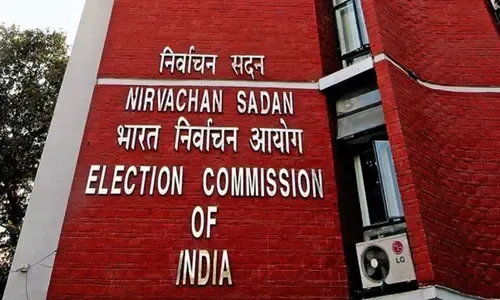
Kolkata, Jan 4 (NationPress) The Election Commission of India (ECI) has announced the establishment of 160 decentralised hearing centres in select districts of West Bengal aimed at supporting marginalised communities in isolated regions.
The districts designated for these 160 centres include Darjeeling, Kalimpong, Alipurduar, Jalpaiguri, Jhargram, Purulia, West Midnapore, Bankura, Nadia, West Burdwan, Howrah, and North 24 Parganas, according to sources from the Chief Electoral Officer (CEO) of West Bengal.
Additionally, a few centres may potentially be established in the coastal areas of South 24 Parganas district based on demand.
As per insiders, the District Magistrates and District Electoral Officers from these regions had forwarded a recommendation to the Commission via the CEO’s office for the creation of these centres. The Commission, recognizing the validity of this need, has subsequently approved the proposal.
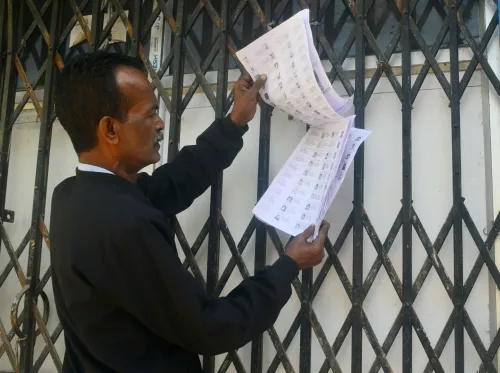
Since the initiation of the Special Intensive Revision (SIR) in West Bengal, the Commission has been particularly attentive to ensure that individuals from marginalised backgrounds do not lose their voting rights due to procedural issues. Hence, special accommodations have been provided periodically, with the establishment of these centres being the most recent.
These centres will function as temporary hearing stations in remote locations for a day or a few days, where electoral officials will directly engage with and assist the marginalised populations present.
Last week, the ECI revealed that voters belonging to three aboriginal tribes or primitive tribes will be automatically included in the final voter registry of West Bengal without the need for documentation. These tribes include Birhor, Toto, and Sabar.
Previously, the ECI had also provided specific concessions for sex workers, individuals from transgender communities, and even monks concerning the identity verification processes during ongoing hearings related to the draft voter list in West Bengal.
The Commission has decided not to enforce strict verification of identity documents needed to validate their voting rights, differentiating them from the standard voter categories.
Point of View
It is vital to recognize the Election Commission of India's proactive approach to include marginalised communities in the electoral process. This initiative is a commendable step toward enhancing democratic participation and ensuring that every voice is heard.
NationPress
23 Sept 2026
Frequently Asked Questions
What are the decentralised hearing centres?
They are temporary locations set up to assist marginalised communities in exercising their voting rights.
Why were these centres established?
To ensure that people from remote regions are not denied their voting rights due to procedural barriers.
What communities are being prioritized?
Marginalised communities, including those from aboriginal and primitive tribes.
How will these centres operate?
Electoral officials will visit these centres to conduct hearings and assist voters.
Is documentation required for certain tribes?
No, voters from specific aboriginal tribes will be automatically registered without needing to provide documents.