ED attack case: Kerala Police expand probe, CPI-M leaders face questioning
Synopsis
The Kerala Police probe into the alleged attack on ED officials at Pinarayi Vijayan's residence is no longer about the protesters on the ground — it is now closing in on the senior CPI-M leadership. With cyber-forensic scrutiny of call records and notices imminent for state Secretary M. V. Govindan and former minister V. Sivankutty, investigators are probing whether the confrontation was orchestrated from the top.
Key Takeaways
Kerala Police have expanded the special team probing the alleged attack on ED officials at former CM Pinarayi Vijayan's residence in Thiruvananthapuram .
The ED raid on 27 May was linked to Vijayan's daughter Veena Vijayan's IT firm Exalogic and its dealings with mining firm CMRL .
Notices are expected next week for CPI-M state Secretary M.
Govindan , district Secretary V.
Joy , and former minister V.
25 protesters were jailed; one remains in custody and one is still absconding.
Investigators are conducting cyber-forensic analysis of mobile phones and call records to establish whether the attack was pre-planned.
The Kerala Police have expanded the special investigation team probing the alleged attack on Enforcement Directorate (ED) officials who visited the residence of Communist Party of India (Marxist) (CPI-M) leader and former Chief Minister Pinarayi Vijayan in Thiruvananthapuram, signalling that the case is being treated as a potential organised conspiracy rather than a spontaneous confrontation.
Background: What Triggered the Probe
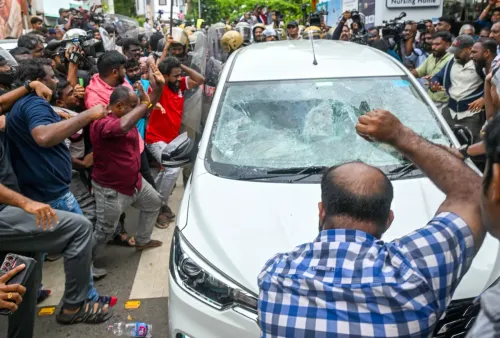
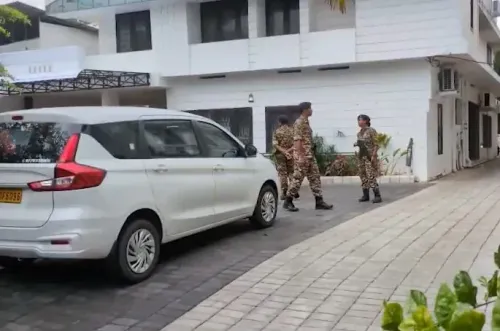
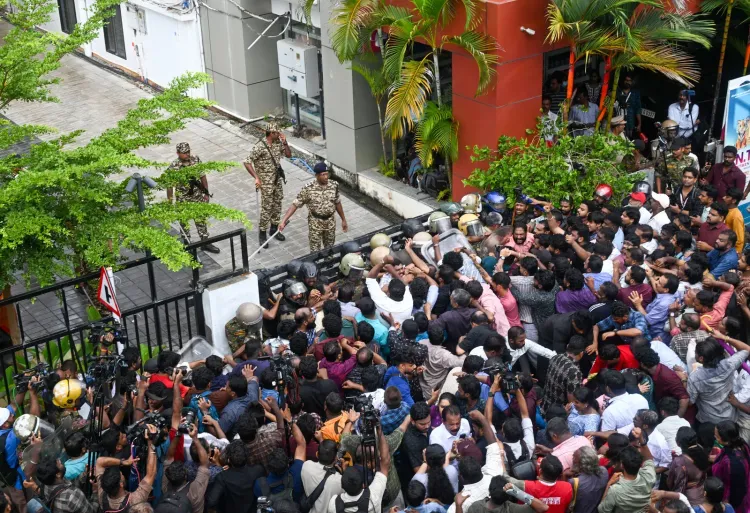
The ED team had raided Vijayan's rented residence — where his daughter Veena Vijayan also resides — on 27 May. The raid was linked to Veena Vijayan's IT firm Exalogic and its alleged financial dealings with Kochi-based mining company CMRL. The visit by ED officials sparked a confrontation involving protesters, of whom 25 were jailed from the last week of May until early this month. At present, one person remains in custody and another is still absconding.
Why the Team Has Been Expanded
According to sources familiar with the investigation, the team has been reinforced with additional Sub-Inspectors and Civil Police Officers, citing the gravity of the case and the possibility of a broader conspiracy behind the attack. Investigators are now turning their attention to the alleged planning and communications that preceded the incident, shifting focus from those physically present at the scene to those who may have directed or instigated the confrontation from elsewhere.
Senior CPI-M Leaders to Be Questioned
Notices are expected to be issued next week to CPI-M state Secretary M. V. Govindan, Thiruvananthapuram district Secretary V. Joy, and former minister V. Sivankutty, asking them to appear before investigators. All three were reportedly present at the spot during the incident. The questioning will seek to determine whether the attack was the result of pre-planned political intervention or whether there was active instigation involved.
Cyber-Forensic Evidence at the Centre of Inquiry
Investigators are banking heavily on the cyber-forensic examination of mobile phones and call records of senior CPI-M leaders. Communications made both immediately before and during the incident are being scrutinised in detail. The findings, according to sources, could prove crucial in establishing the sequence of events and identifying whether instructions or directions were passed on from outside the immediate scene.
What the Expansion Signals
The broadening of the probe underscores that police are no longer treating this as a routine clash between political workers and investigating officials. The possibility of a coordinated, pre-meditated effort to obstruct the ED's visit is now among the primary lines of inquiry. The investigation's next phase is expected to hinge on what the digital forensics reveal about the chain of command — and how far up it extends.
Point of View
Claims spontaneity, and then watches as investigators work backward through the phone records. The cyber-forensic angle is the one that matters most here. If call records establish a command chain in the hours before the ED visit, the 'spontaneous protest' defence collapses. The CPI-M's ability to contain the fallout will depend entirely on what those records show — and how the party leadership responds to questioning.
NationPress
12 Aug 2026
Frequently Asked Questions
What is the ED attack case in Kerala?
The case involves an alleged attack on Enforcement Directorate officials who arrived on 27 May to raid the rented residence of former Chief Minister Pinarayi Vijayan in Thiruvananthapuram, where his daughter Veena Vijayan also lives. The ED visit was linked to Veena Vijayan's IT firm Exalogic and its financial dealings with Kochi-based mining firm CMRL.
Why are senior CPI-M leaders being called for questioning?
Kerala Police are probing whether the attack on ED officials was pre-planned and politically orchestrated, rather than a spontaneous protest. CPI-M state Secretary M. V. Govindan, Thiruvananthapuram district Secretary V. Joy, and former minister V. Sivankutty were reportedly present at the scene and are expected to receive notices to appear next week.
What is the role of cyber-forensic evidence in the investigation?
Investigators are examining mobile phones and call records of senior CPI-M leaders to trace communications made before and during the incident. The forensic findings are considered crucial to establishing whether instructions or directions were passed to those at the scene from elsewhere.
How many people were arrested in connection with the attack?
Among the protesters involved, 25 people were held in jail from the last week of May until early August. Currently, one person remains in custody and another is still absconding.
What does the expansion of the probe team indicate?
The induction of additional Sub-Inspectors and Civil Police Officers signals that Kerala Police are treating the case as potentially involving a larger conspiracy, moving beyond those physically present at the scene to examine whether the confrontation was coordinated at a higher level.