ELC 2.0: CEC Gyanesh Kumar says Electoral Literacy Clubs will strengthen democracy
Synopsis
Chief Election Commissioner Gyanesh Kumar used a regional conference in Goa to formally advance ELC 2.0 — a digitally enabled electoral literacy push targeting India's 25 crore school students and 4.33 crore higher-education enrolees. The scale is unprecedented; the test is whether structured club activity converts into first-time voter turnout.
Key Takeaways
CEC Gyanesh Kumar addressed the ECI's fourth regional conference on ELC 2.0 and ECINet in Panaji, Goa on 3 September .
ELC 2.0 , launched under the tagline 'Learn Democracy.
Lead Democracy.', transforms Electoral Literacy Clubs into structured, digitally enabled platforms.
The initiative targets India's 15 lakh schools with 25 crore students and 1,500+ universities with 4.33 crore students .
ECINet will serve as a unified digital interface integrating electoral roll services, polling information, and ELC activities nationwide.
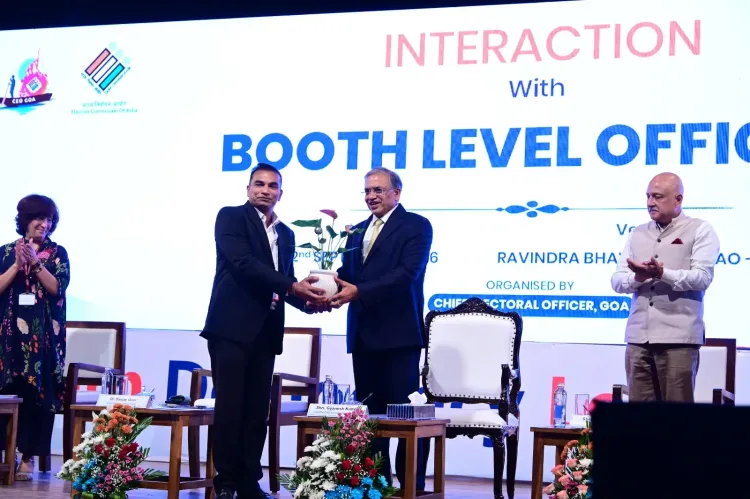
Kumar also addressed more than 1,000 Booth Level Officers (BLOs) in Goa on Wednesday , praising their role in the Special Intensive Revision (SIR) of electoral rolls.
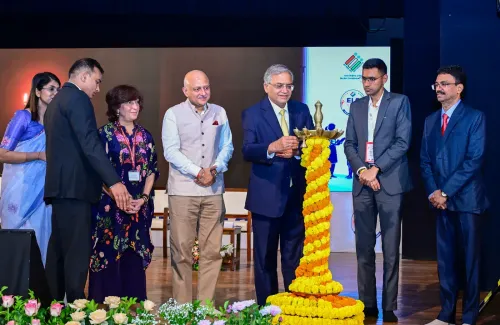
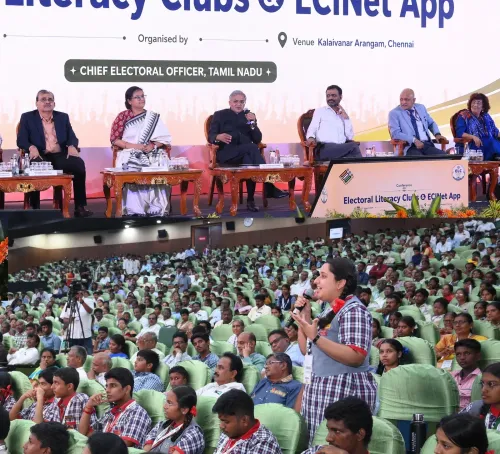
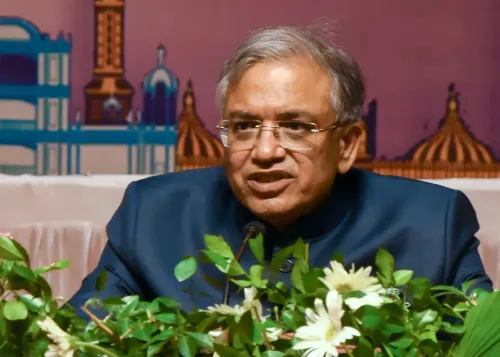
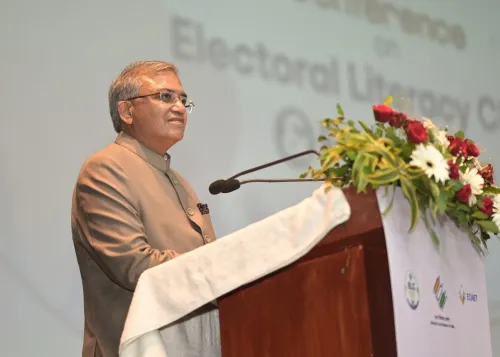
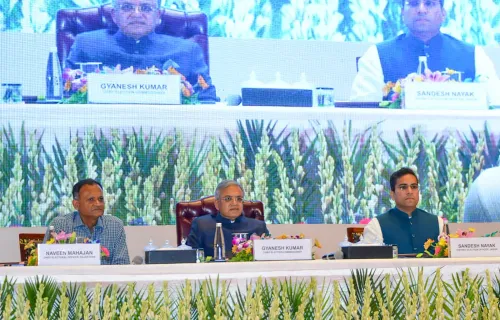
Chief Election Commissioner (CEC) Gyanesh Kumar on Thursday, 3 September said Electoral Literacy Clubs (ELCs) would empower young citizens to uphold truth and deepen India's democratic foundations. Speaking at the Election Commission of India's (ECI) fourth regional conference on ELC 2.0 and ECINet in Panaji, Goa, Kumar described the initiative as a pivotal step in building a generation of informed and active voters.
What CEC Gyanesh Kumar Said
Addressing students and teachers from schools, colleges, and universities across Goa, Kumar underscored that students are the country's future and that ELCs would serve as vital platforms for imparting electoral awareness. He stressed that elections in India are conducted strictly in accordance with the Constitution, relevant laws, and ECI directives, and are carried out transparently under the concurrent scrutiny of recognised political parties, candidates, and their authorised representatives at every stage of the process.
He also highlighted ECINet, describing it as a unified digital interface that would serve as a key instrument of transparency — consolidating election-related services and information for electors across the country in one place.
What ELC 2.0 Entails
Launched under the tagline 'Learn Democracy. Lead Democracy.', ELC 2.0 seeks to transform Electoral Literacy Clubs into structured, visible, and digitally enabled platforms spanning schools, colleges, and universities. Leveraging the ECINet digital platform — which integrates services from electoral rolls to polling — the initiative will support year-round electoral literacy activities through a dedicated portal and build a nationwide network of ELCs.
The clubs will disseminate information on voter registration, polling procedures, vote counting, the ECINet App, and other key ECI initiatives, while encouraging young and first-time voters to participate actively in the democratic process.
Scale of the Initiative
The initiative draws its significance from India's vast educational ecosystem. The country has approximately 15 lakh schools with nearly 25 crore students and more than 1 crore teachers. The higher education sector comprises nearly 1,500 universities and around 70,000 institutions, with an estimated enrolment of 4.33 crore students. Through this institutional network, ELC 2.0 aims to promote factual and experiential electoral education and encourage young citizens to become ambassadors of informed democratic participation.
CEC's Two-Day Goa Visit
Gyanesh Kumar was on a two-day visit to Goa to interact with Booth Level Officers (BLOs) and ELC members across the state. On Wednesday, he addressed more than 1,000 BLOs and commended their contribution to the smooth conduct of the Special Intensive Revision (SIR) of electoral rolls in Goa. The conference also featured an interactive session during which students engaged directly with the CEC on various aspects of India's electoral process.
With ELC 2.0 now operational across an expanding institutional footprint, the Election Commission's next challenge will be sustaining engagement beyond awareness events and translating literacy into measurable voter participation among first-time electors.
Point of View
Which remains stubbornly lower than the national average. Tying ELCs to the ECINet digital platform is a structural upgrade, but the real metric will be whether club participation correlates with registration and turnout data in the next state election cycle. The ECI would do well to publish those numbers openly.
NationPress
3 Sept 2026
Frequently Asked Questions
What is ELC 2.0 launched by the Election Commission of India?
ELC 2.0 is an upgraded Electoral Literacy Club initiative launched by the Election Commission of India under the tagline 'Learn Democracy. Lead Democracy.' It transforms existing clubs into structured, digitally enabled platforms across schools, colleges, and universities, supported by the ECINet portal, to promote year-round electoral literacy among young and first-time voters.
What did CEC Gyanesh Kumar say at the Goa conference?
CEC Gyanesh Kumar said ELCs would empower young citizens to uphold truth and strengthen India's democratic framework. He also highlighted ECINet as a key transparency tool offering a unified digital interface for election-related services, and stressed that Indian elections are conducted transparently under the scrutiny of all recognised political parties and candidates.
What is ECINet and how does it support ELC 2.0?
ECINet is a unified digital platform developed by the Election Commission of India that integrates election-related services — from electoral rolls to polling information. It underpins ELC 2.0 by providing a dedicated portal for electoral literacy activities and helping build a nationwide network of Electoral Literacy Clubs.
How many students and institutions does ELC 2.0 aim to reach?
ELC 2.0 targets approximately 25 crore students across 15 lakh schools, over 1 crore teachers, and an estimated 4.33 crore higher-education students enrolled across nearly 1,500 universities and around 70,000 institutions in India.
What else did CEC Gyanesh Kumar do during his Goa visit?
During his two-day visit to Goa, CEC Gyanesh Kumar addressed more than 1,000 Booth Level Officers (BLOs) on Wednesday, commending their work on the Special Intensive Revision (SIR) of electoral rolls. He also held an interactive session with students and teachers at the regional ELC 2.0 conference in Panaji.