Why Isn't the Election Commission Offering Digital Access to Voter Data?
Synopsis
Congress leader Udit Raj questions the Election Commission's lack of digital voter data access for citizens. With India's digital identity systems making significant strides, the absence of electronic voter lists raises serious concerns about transparency and governance. What are the implications for India's electoral process?
Key Takeaways
Udit Raj questions the Election Commission's transparency.
Concerns over digital voter data accessibility.
India's Aadhaar system includes 1.4 billion people.
Need for improved measures against duplication.
Importance of electoral digitisation for governance.
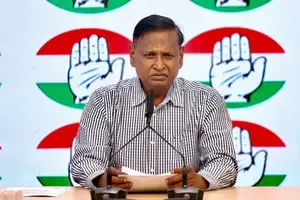
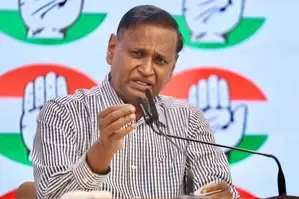
New Delhi, Feb 20 (NationPress) Congress leader Udit Raj expressed his apprehensions regarding the Election Commission’s management of digital voter data, questioning why electronic access to voter lists is not available to all citizens, despite India’s significant advancements in digital identity systems.
In a conversation with IANS, Udit Raj stated, “What prevents the Election Commission from making digital data accessible to everyone? What is happening here? Will the payments cease? They create obstacles where they are most needed. Our leader, Rahul Gandhi, has urged them to provide the voter list electronically, but they have failed to do so.
“The necessary measures to avoid duplication are lacking, and the Election Commission has not fulfilled its responsibilities. Where proper and digital solutions are required, they are not being implemented,” he continued.
His comments arrive as India’s digital transformation reaches a remarkable milestone. The nation’s Aadhaar system now encompasses roughly 1.4 billion people, establishing it as the largest digital identity framework globally. This achievement was recently acknowledged by French President Emmanuel Macron during the India AI Impact Summit 2026 held at Bharat Mandapam in New Delhi.
While addressing the summit, Macron praised India’s innovative approach to technology governance, calling the country’s digital public infrastructure a global standard.
“India has created something unprecedented globally -- a digital identity for 1.4 billion individuals, a payment platform managing 20 billion transactions monthly, and a health system that has issued 500 million digital health IDs,” he remarked, referring to the India Stack framework.
Although the Aadhaar system and other digital public services have led to significant efficiencies in payments, healthcare, and governance, the statement from Congress highlights persistent shortcomings in electoral digitisation.
Despite the availability of technology, voter list data remains inaccessible to the public, raising concerns about transparency, duplication prevention, and the comprehensive execution of India’s digital governance efforts.
Point of View
The concerns raised by Udit Raj reflect broader issues regarding the transparency and accessibility of electoral processes in India. While advancements in digital identity systems promise efficiency, the lack of universal access to voter data underscores a significant gap in governance. This situation warrants immediate attention to uphold the integrity of our democratic processes.
NationPress
19 Sept 2026
Frequently Asked Questions
Why is electronic access to voter lists important?
Electronic access to voter lists enhances transparency, reduces the chances of duplication, and fosters trust in the electoral process.
What is the Aadhaar system?
The Aadhaar system is India's unique identification system that provides a digital identity to residents, facilitating access to various services.
How does digital governance impact elections?
Digital governance streamlines processes, increases efficiency, and ensures that electoral information is readily accessible to the public.