How is PM Modi Reaffirming Commitment to Empower the Girl Child?
Synopsis
On National Girl Child Day, PM Modi highlights a decade of government initiatives aimed at creating a supportive environment for girls. This celebration not only emphasizes their rights and welfare but also focuses on fostering equal opportunities for a brighter future.
Key Takeaways
National Girl Child Day is essential for promoting girls' rights.
The government is committed to empowering the girl child through various initiatives.
Education, health, and skills are crucial for girls' development.
Ongoing efforts are aimed at improving gender equality.
Girls play a vital role in shaping India's future.
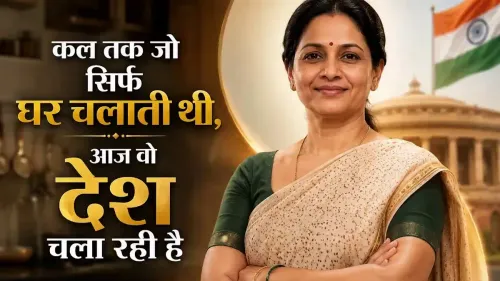
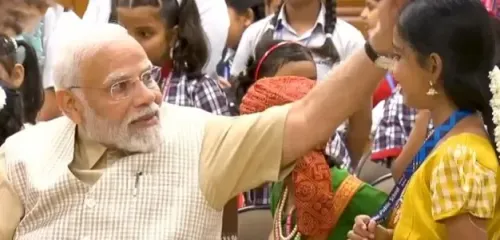
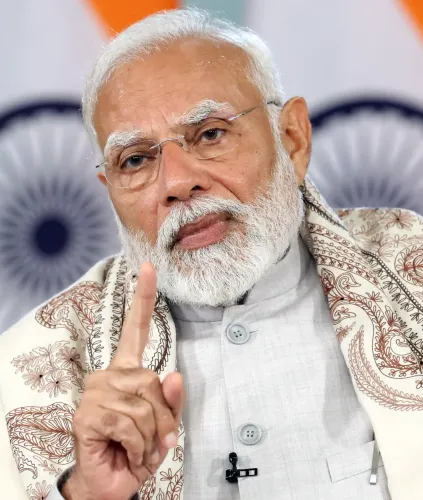
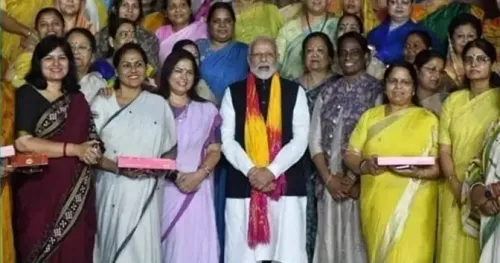
New Delhi, Jan 24 (NationPress) Prime Minister Narendra Modi celebrated National Girl Child Day on Saturday, emphasizing the Union government's decade-long initiatives to foster an environment conducive to the well-being of girls and their role in achieving Viksit Bharat.
In a post on social media platform X, PM Modi stated, "On National Girl Child Day, we reaffirm our unwavering resolve to ensure that the girl child leads a life of dignity, opportunity, and hope."
The Prime Minister further remarked, "In the past ten years, we have prioritized improved education, skill development, and healthcare for the girl child. This has created an environment where she can thrive and contribute effectively to Viksit Bharat."
Previously, PM Modi had reiterated the government's dedication to empowering the girl child and providing a broad array of opportunities for her.
"India takes pride in the achievements of girls across various fields. Their accomplishments continue to inspire us all," he added.
"Our government has concentrated on areas such as education, technology, skills, and healthcare, which have been pivotal in empowering the girl child. We remain steadfast in preventing any discrimination against her," the Prime Minister noted.
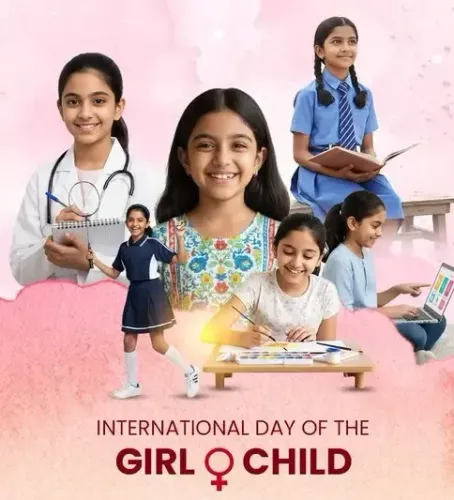
National Girl Child Day is observed annually on January 24 to promote the rights, education, health, nutrition, and overall welfare of girls.
Established in 2008 by the Ministry of Women and Child Development, the day acts as a platform for raising awareness about gender discrimination, advocating for equal opportunities, and cultivating an environment where girls can grow as empowered individuals.
"This day emphasizes the vital role of girls in forging a brighter, more equitable future for our nation, aligning with India’s vision of women-led development and achieving Viksit Bharat by 2047," a statement read.
"National Girl Child Day serves as a chance to confront ongoing inequalities faced by girls, including gender bias, female foeticide, issues with the child sex ratio, child marriage, and obstacles to education and health," it continued.
"It highlights the need to transform societal attitudes towards valuing and respecting girls as equals, thereby ensuring their comprehensive development," it added.
Key focus areas include enhancing girls' education, skill development, digital inclusion, engagement in STEM fields, mental health support, safety from violence, and opportunities for leadership roles.
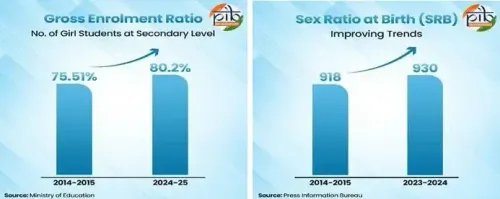
A statement from the Ministry of Women and Child Development indicated that significant advancements have been made through persistent efforts, particularly under the Beti Bachao Beti Padhao (BBBP) initiative, with the Sex Ratio at Birth (SRB) increasing from approximately 918 in 2014-15 to 930 in 2023-24 at the national level.
Additionally, the Gross Enrolment Ratio (GER) for girls at the secondary level (grades 9-10) in India has seen improvement, climbing from 75.51 percent in 2014-15 to 78 percent in 2023-24.
Furthermore, the GER for girls at the secondary level is projected to reach 80.2 percent in 2024-25.
Point of View
It is essential to recognize the significance of ongoing efforts to empower the girl child in India. The government's commitment reflects a collective drive towards gender equality, which is vital for the nation's progress. It is imperative that these initiatives continue to receive attention and support, ensuring that every girl has the opportunity to thrive.
NationPress
30 Sept 2026
Frequently Asked Questions
What is National Girl Child Day?
National Girl Child Day is celebrated annually on January 24 to raise awareness about the rights and welfare of girls, focusing on education, health, and nutrition.
What initiatives has the government implemented for girl empowerment?
The government has implemented various initiatives, including the Beti Bachao Beti Padhao scheme, which aims to improve the sex ratio and encourage girls' education and health.
Why is it important to empower the girl child?
Empowering the girl child is crucial for achieving gender equality and fostering a more equitable society, where girls can contribute to the nation's development.
What are the key focus areas for girls' development?
Key focus areas include education, skill development, digital inclusion, mental health support, safety from violence, and leadership opportunities.
How has the sex ratio improved over the years?
The Sex Ratio at Birth has improved from around 918 in 2014-15 to 930 in 2023-24, reflecting the success of government initiatives.