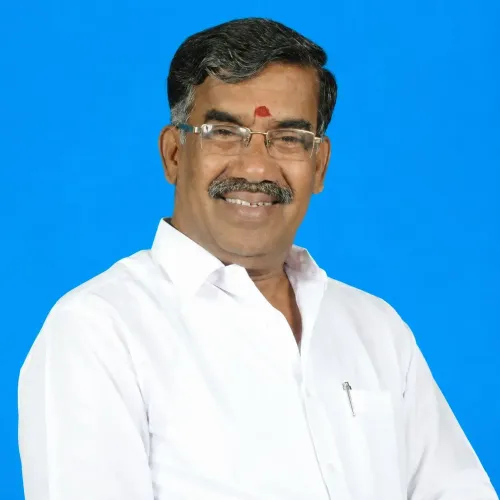
AIADMK setback: Ex-Minister Semmalai quits, cites post-Jayalalithaa sidelining
Synopsis
A former minister with decades of loyalty has walked out of the AIADMK, invoking Jayalalithaa's legacy to indict the current leadership. Semmalai's exit is more than a resignation — it is a public indictment of an organisation that critics say has lost both direction and discipline since its founding leader's death.
Key Takeaways
Former minister Semmalai resigned from the AIADMK on 18 May 2025 .
He alleged he was sidelined within the party following the death of J.
Semmalai said deserving leaders and cadres were being consistently overlooked, fuelling frustration.
He warned the party risked 'dissolving' like camphor — a direct criticism of the current leadership.
The AIADMK leadership had not issued an official response as of the time of reporting.
Political observers say the exit could trigger further departures and intensify calls for internal reform.
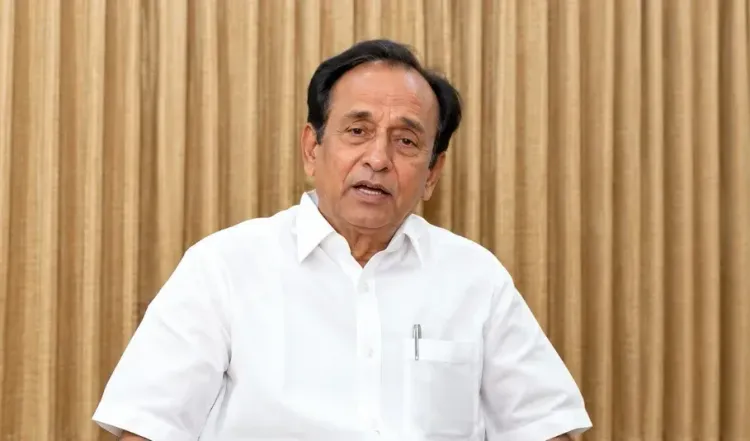
Former Tamil Nadu minister Semmalai on Monday, 18 May resigned from the All India Anna Dravida Munnetra Kazhagam (AIADMK), citing years of marginalisation following the death of former Chief Minister J. Jayalalithaa and expressing deep anguish over the party's deteriorating internal condition. His exit adds fresh pressure on the AIADMK leadership at a time when the party is already contending with visible factional fault lines and questions over organisational coherence.
Semmalai's Resignation: Key Allegations
In a strongly worded public statement, Semmalai alleged that he had been systematically denied opportunities within the party despite decades of loyalty and contribution. He said deserving leaders and grassroots cadres were being consistently overlooked, generating widespread frustration within party ranks.
He also expressed concern over the AIADMK's public image, stating that internal disputes had reached a point where the party had become a subject of ridicule in media commentary and public discourse. 'Camphor may dissolve, but should a party dissolve?' he said — a remark widely interpreted as a pointed criticism of the leadership's failure to contain the deepening organisational crisis.
The Broader Internal Crisis
Semmalai's departure is not an isolated event. The AIADMK has been navigating an extended period of internal turbulence since the passing of Jayalalithaa, with senior leaders publicly airing disagreements and factional groupings becoming increasingly visible. Political observers note that the party, once a dominant force in Tamil Nadu politics, has struggled to project a unified front in the years since losing power in the state.
Notably, this is one of the more prominent exits in recent months, given Semmalai's ministerial background and long association with the party. His resignation is expected to intensify debate within the organisation over internal democracy and the direction of its leadership.
What the Leadership Said
As of the time of reporting, the AIADMK leadership had not issued an official response to Semmalai's announcement. The silence, observers say, reflects the party's difficulty in managing a narrative that has grown increasingly unfavourable ahead of future electoral cycles.
What Comes Next
Political analysts believe Semmalai's exit could embolden other disgruntled leaders and cadres to voice similar grievances, potentially triggering a wider reckoning within the party over leadership accountability and organisational reform. How the AIADMK leadership responds — and whether it moves to address the concerns raised — will be closely watched in the coming days.
Point of View
And the leadership's absence of response only reinforces it. Unless the party builds a credible internal democratic process, these departures will not be the last.
NationPress
15 Oct 2026
Frequently Asked Questions
Why did Semmalai resign from the AIADMK?
Semmalai resigned from the AIADMK on 18 May 2025, citing years of marginalisation following the death of former Chief Minister J. Jayalalithaa and expressing deep anguish over the party's internal functioning. He alleged that deserving leaders were being overlooked and that the party's public image had suffered severely due to its internal disputes.
What did Semmalai mean by the camphor remark?
Semmalai said, 'Camphor may dissolve, but should a party dissolve?' — a metaphor widely interpreted as a criticism of the AIADMK leadership's inability to hold the organisation together amid deepening factional tensions.
How has the AIADMK leadership responded to the resignation?
As of 18 May, the AIADMK leadership had not issued any official response to Semmalai's resignation announcement.
What impact could Semmalai's exit have on the AIADMK?
Political observers believe his departure could embolden other disgruntled senior leaders to raise similar concerns, intensifying internal debate over leadership accountability and organisational direction within the party.