CM Fadnavis announces 75 acres at Shenda Park for Kolhapur HC bench
Synopsis
Chief Minister Devendra Fadnavis has announced 75 acres at Shenda Park in Kolhapur for a new Bombay High Court bench, addressing a long-standing demand from western Maharashtra's legal community and setting the stage for a formal proposal to the Centre.
Key Takeaways
75 acres at Shenda Park, Kolhapur will be allocated for a new bench of the Bombay High Court , as announced by CM Devendra Fadnavis on 10 August 2026 .
The site allocation is the critical first step before a formal proposal can be sent to the Union government and the Supreme Court of India for approval.
The Bombay High Court currently has benches in Nagpur, Aurangabad and Panaji ; a Kolhapur bench would be the fourth, covering western Maharashtra.
The Aurangabad bench was established in 1984 as the precedent for decentralising judicial access across Maharashtra's regions.
Lawyers and litigants from Kolhapur, Sangli, Satara, Ratnagiri and Sindhudurg are the primary beneficiaries of the proposed bench.
Central government and Supreme Court approval, followed by construction, remain the outstanding steps before the bench can become operational.
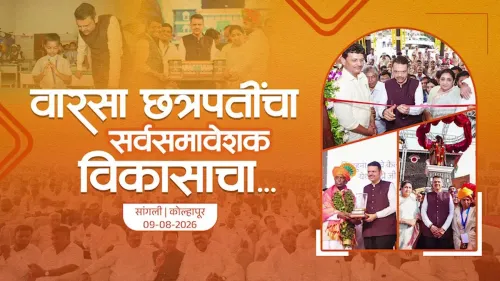
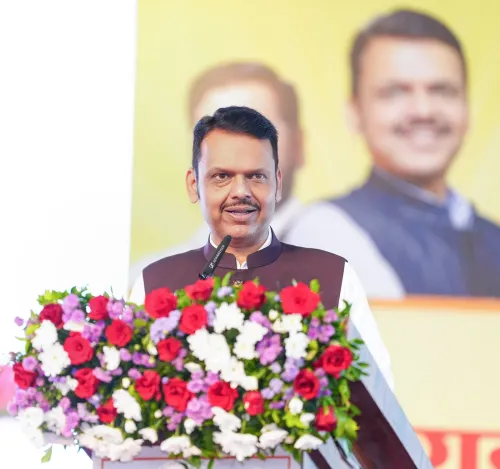
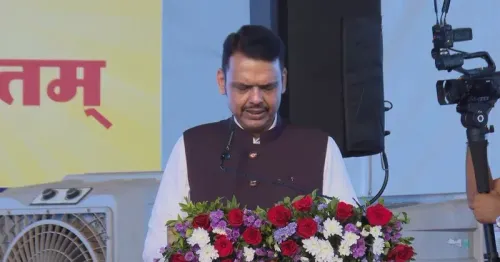
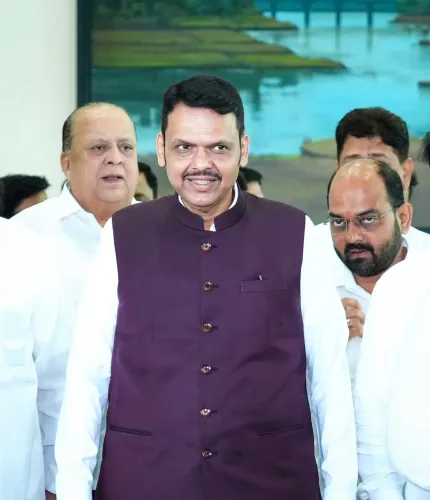
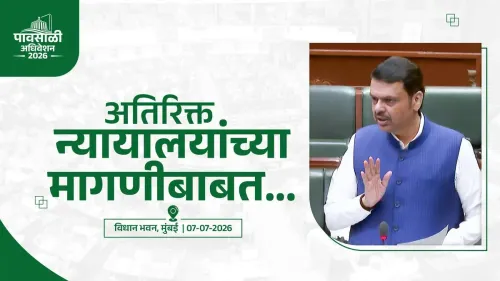
Western Maharashtra's long-standing demand for a dedicated High Court bench moved a significant step closer to reality on Monday, 10 August 2026, when Chief Minister Devendra Fadnavis announced that 75 acres at Shenda Park in Kolhapur will be allocated for a new bench of the Bombay High Court.
The land that unlocks a decades-old demand
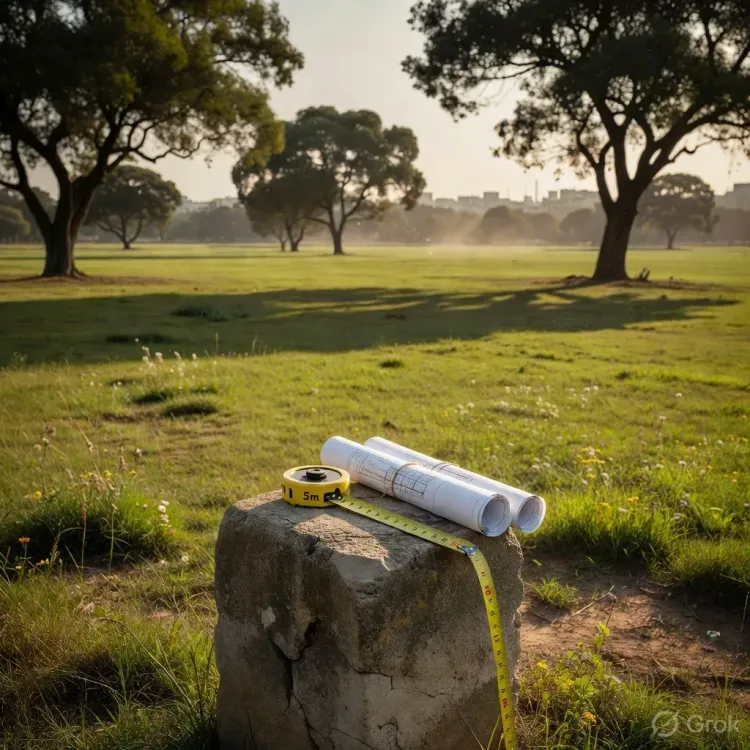
The announcement centres on Shenda Park, a large open tract in Kolhapur city. Allocating 75 acres at a single site signals that the state government is moving beyond intent — land is the first, most concrete prerequisite before any bench can be formally proposed to the Supreme Court of India and the Union government for approval. Without a ready site, such proposals have historically stalled at the planning stage.
Kolhapur lawyers and litigants from across western Maharashtra — a region spanning Sangli, Satara, Ratnagiri and Sindhudurg alongside Kolhapur — have pressed successive state governments for years to reduce their dependence on the principal Bombay High Court seat in Mumbai, a journey that can cost rural litigants both time and money they can ill afford.
How Nagpur and Aurangabad set the template
Maharashtra's model for decentralising justice is well established. The Nagpur bench of the Bombay High Court has served Vidarbha for decades, and the Aurangabad bench — now formally renamed the Marathwada bench — was created in 1984 to serve the region's litigants. Each bench was preceded by exactly this sequence: state land allocation, a formal proposal to the Centre, and Supreme Court concurrence. The Kolhapur announcement follows that playbook.
The broader pattern is consistent with Maharashtra's stated goal of reducing case pendency at the Mumbai principal seat by pushing judicial infrastructure outward. A western Maharashtra bench would be the fourth permanent circuit of the Bombay High Court, completing coverage of the state's major geographic divisions.
What comes next before the bench opens
The land announcement is the state's move; the next steps belong to New Delhi and the judiciary. A formal request must be placed before the Union Ministry of Law and Justice, which then consults the Chief Justice of India and the Supreme Court collegium. Only after that approval can construction be commissioned and judges assigned. The timeline for those stages remains to be determined by the central process.
For now, CM Fadnavis has placed a specific address — Shenda Park, Kolhapur — at the centre of a regional aspiration that has circulated in Maharashtra's legal and political corridors for well over a decade. That specificity matters: it converts a demand into a deliverable.
Point of View
Making it harder for future governments to reverse course. It fits a broader Maharashtra pattern of using judicial infrastructure as a tool of regional equity, mirroring the Aurangabad bench's political origins in 1984. The real test, however, lies in how quickly the state files a formal proposal with the Centre, since the gap between land allocation and bench operationalisation has historically stretched into years. If the approval pipeline moves swiftly, Fadnavis can claim a defining legacy for western Maharashtra's legal community; if it stalls, the announcement risks becoming another entry in a long list of unfulfilled bench promises.
NationPress
24 Sept 2026
Frequently Asked Questions
What is the Kolhapur bench of the Bombay High Court?
It is a proposed permanent circuit bench of the Bombay High Court to be located in Kolhapur , intended to serve litigants from western Maharashtra districts such as Kolhapur, Sangli, Satara, Ratnagiri and Sindhudurg, reducing their need to travel to the principal seat in Mumbai.
Where exactly will the Kolhapur High Court bench be located?
CM Devendra Fadnavis announced that 75 acres at Shenda Park in Kolhapur will be allocated for the bench's infrastructure.
How many benches does the Bombay High Court currently have?
The Bombay High Court has three benches outside its Mumbai principal seat: Nagpur (for Vidarbha), Aurangabad (for Marathwada, established in 1984), and Panaji (for Goa). A Kolhapur bench would be the fourth.
What approvals are needed before the Kolhapur bench opens?
After the state allocates land, a formal proposal must go to the Union Ministry of Law and Justice , which then consults the Chief Justice of India and the Supreme Court collegium . Only after their approval can construction begin and judges be assigned.
Why have Kolhapur lawyers been demanding a High Court bench?
Litigants and lawyers from western Maharashtra must currently travel to Mumbai for Bombay High Court matters, which is costly and time-consuming. A local bench would reduce pendency at the Mumbai seat and bring justice closer to the region's population.