CM Fadnavis Hails Modi's Ease of Doing Business Reforms
Synopsis
Maharashtra CM Devendra Fadnavis on June 9, 2026, praised PM Modi's twelve-year record of slashing compliances and digitising processes, calling it the foundation of India's Ease of Doing Business progress and the Viksit Bharat mission.
Key Takeaways
Maharashtra CM Devendra Fadnavis on June 9, 2026 publicly credited PM Narendra Modi for a 'massive shift' in India's governance and regulatory environment.
The post marks #12YearsOfSeva , a BJP-led campaign commemorating twelve years of Modi's national leadership.
India's World Bank Ease of Doing Business rank improved from 142nd in 2014 to 63rd in 2020 after successive reform rounds including GST , IBC , and Make in India .
The MSME sector and broader Indian industries are identified as primary beneficiaries of compliance reduction and digitalisation.
The reforms are explicitly linked to the Viksit Bharat goal of a fully developed Indian economy by 2047 .
Maharashtra's state-level policy follow-through — including single-window portals — will be a key indicator of how central reforms translate locally.
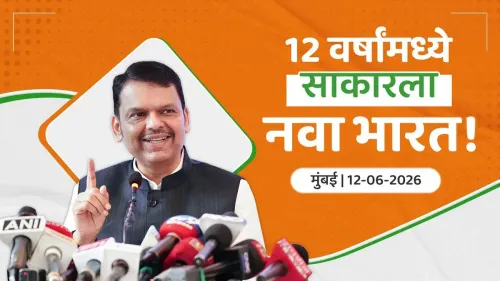
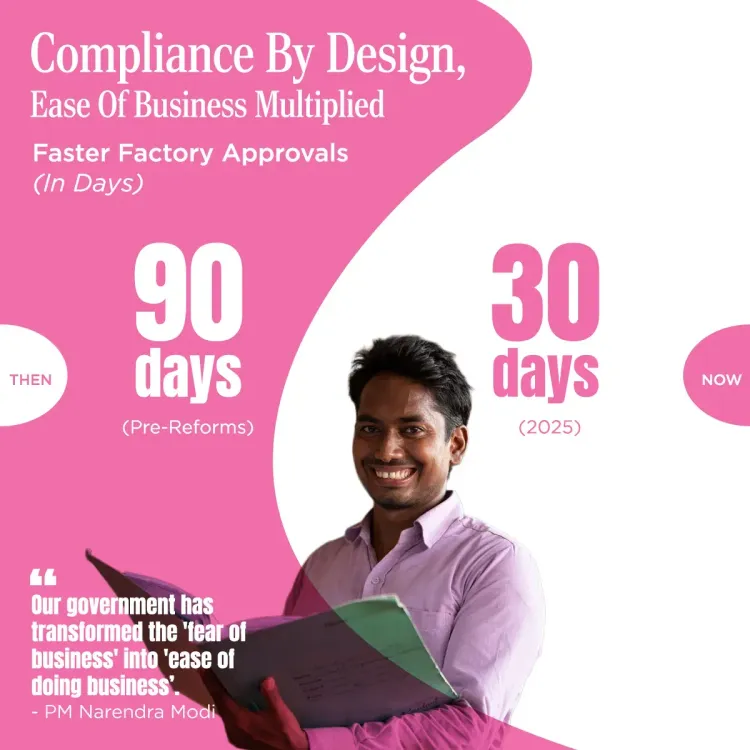
Maharashtra Chief Minister Devendra Fadnavis on Tuesday, June 9, 2026, credited the governance of Prime Minister Narendra Modi for a 'massive shift' in India's regulatory landscape, citing the elimination of thousands of unnecessary compliances and the full digitisation of business processes as cornerstones of the country's improved Ease of Doing Business environment.
Context
Posting in both English and Hindi, Fadnavis invoked the hashtag #12YearsOfSeva, situating his remarks within a broader BJP-led commemoration of Prime Minister Modi's twelve years in national leadership. In the Hindi portion of the post, he wrote: 'हजारों अनुपालनों को सरल बनाया गया, अनावश्यक नियमों को समाप्त किया गया' ['thousands of compliances were simplified, unnecessary regulations were eliminated'], and described processes as having been made 'more transparent, faster, and digital.' He added that through 'reform, simplification, and digitalisation, the foundation of a Viksit Bharat is becoming stronger.'
The post directly tags @narendramodi and carries the hashtags #EaseOfDoingBusiness and #ViksitBharat, signalling an orchestrated BJP communication effort to mark the milestone.
Policy Backdrop
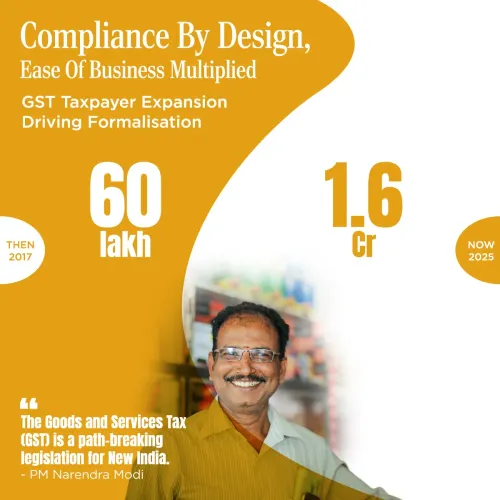
The regulatory reform drive Fadnavis references has unfolded across more than a decade of successive central government initiatives. The Make in India campaign, launched in 2014, began dismantling licensing barriers to attract investment. This was followed by the Insolvency and Bankruptcy Code of 2016, which streamlined business exit processes, and the landmark Goods and Services Tax rollout in 2017, which consolidated multiple indirect taxes and reduced compliance overhead for firms across sectors.
India's position in the World Bank's Ease of Doing Business index rose from 142nd in 2014 to 63rd in 2020 following successive reform rounds — a trajectory the ruling party has consistently cited as evidence of structural progress. The Viksit Bharat vision, which targets a fully developed Indian economy by 2047, frames deregulation and digitisation as non-negotiable prerequisites for reaching that goal.
Stakeholders and Impact
The reforms highlighted by Fadnavis carry direct relevance for Indian industries, particularly the MSME sector, which historically bore a disproportionate share of compliance costs under fragmented regulatory regimes. Digitisation of approvals and the removal of redundant filings reduce both time and transaction costs for smaller enterprises seeking to set up or expand operations.
Maharashtra, as India's largest state economy by output, sits at the intersection of central policy and local implementation. State-level measures — including single-window clearance portals and sector-specific deregulation — translate central compliance cuts into on-the-ground business conditions, making the Chief Minister's public endorsement of the reform agenda also a signal of Maharashtra's own policy direction.
What's Next
Attention will now turn to whether Maharashtra follows up with concrete state-budget provisions or industrial-policy updates that operationalise the central compliance reductions — particularly through expanded single-window portals for manufacturing and services approvals. At the national level, any new deregulation legislation tabled in upcoming parliamentary sessions will be watched as the next marker of the reform sequence.
As India pushes toward its 2047 developed-economy target, the consistency between central reform signals and state-level execution will determine whether the Ease of Doing Business gains are deepened across all regions or remain concentrated in leading industrial states.
Point of View
Perform, Transform' — a slogan closely associated with Modi's administrative philosophy — he aligns Maharashtra's political identity with the national reform arc rather than asserting any state-specific achievement. The reference to Viksit Bharat 2047 is strategically significant, as it ties short-term regulatory wins to a long-horizon national promise that extends well beyond any single electoral cycle. For BJP-governed states, publicly endorsing central compliance reforms also serves as a soft signal to investors that state-level facilitation will follow suit.
NationPress
25 Oct 2026
Frequently Asked Questions
What did Maharashtra CM Devendra Fadnavis say about Ease of Doing Business?
On June 9, 2026, Fadnavis credited PM Modi's leadership for eliminating thousands of unnecessary compliances and fully digitising business processes, calling it a 'massive shift' that has unlocked a new era of Ease of Doing Business in India.
How has India's Ease of Doing Business ranking changed under Modi?
India's World Bank Ease of Doing Business rank improved from 142nd in 2014 to 63rd in 2020, driven by reforms including Make in India, the Insolvency and Bankruptcy Code, and the Goods and Services Tax.
What is Viksit Bharat and how does it relate to business reforms?
Viksit Bharat is the national vision to make India a fully developed economy by 2047. Regulatory simplification, compliance reduction, and digitalisation are treated as foundational steps toward achieving that target.
What is the significance of the #12YearsOfSeva hashtag used by Fadnavis?
#12YearsOfSeva marks twelve years of PM Narendra Modi's national leadership since 2014. BJP leaders have used the hashtag to highlight governance achievements across sectors including economic reform and digital governance.
How do central compliance reforms affect Maharashtra's business environment?
As India's largest state economy, Maharashtra translates central compliance cuts into local implementation through single-window clearance portals and sector-specific deregulation, directly reducing costs and approval times for industries and MSMEs operating in the state.