CM Fadnavis Marks 12 Years of BJP-Led Governance Reforms
Synopsis
Maharashtra Chief Minister Devendra Fadnavis marked 12 years of BJP-led governance on June 9, 2026, invoking Ease of Doing Business reforms and the Viksit Bharat vision, reinforcing Maharashtra's role in India's long-term economic development agenda.
Key Takeaways
CM Devendra Fadnavis posted on X on June 9, 2026 to mark 12 years of BJP-led governance at the Centre.
The post used hashtags #12YearsOfSeva , #EaseOfDoingBusiness , and #ViksitBharat , linking state-level reform to national goals.
India's World Bank Ease of Doing Business ranking improved from 142nd in 2014 to 63rd in 2020 under Central government reforms.
Maharashtra is India's most industrialised state and a consistent performer in state-level business-reform assessments.
The Viksit Bharat vision targets advanced-economy status for India by 2047 , serving as the policy umbrella for ongoing reforms.
Upcoming state-level business-reform rankings and new investment-facilitation announcements from Maharashtra will be key indicators of follow-through.
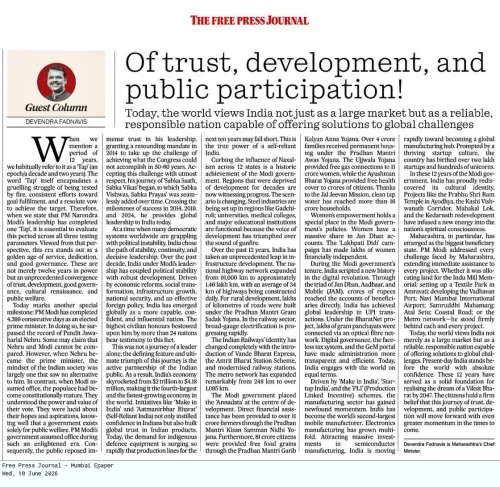
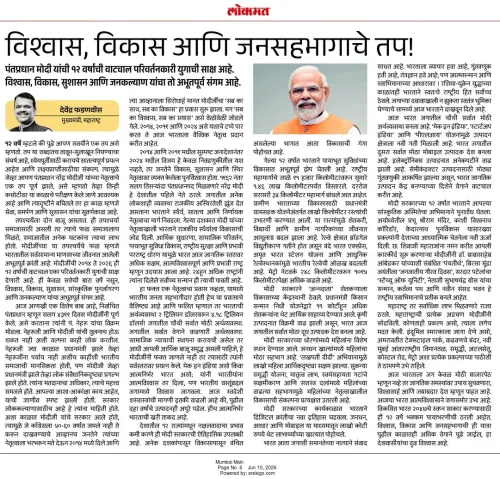
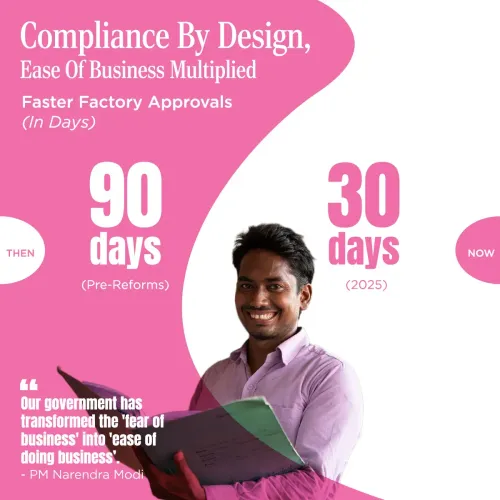
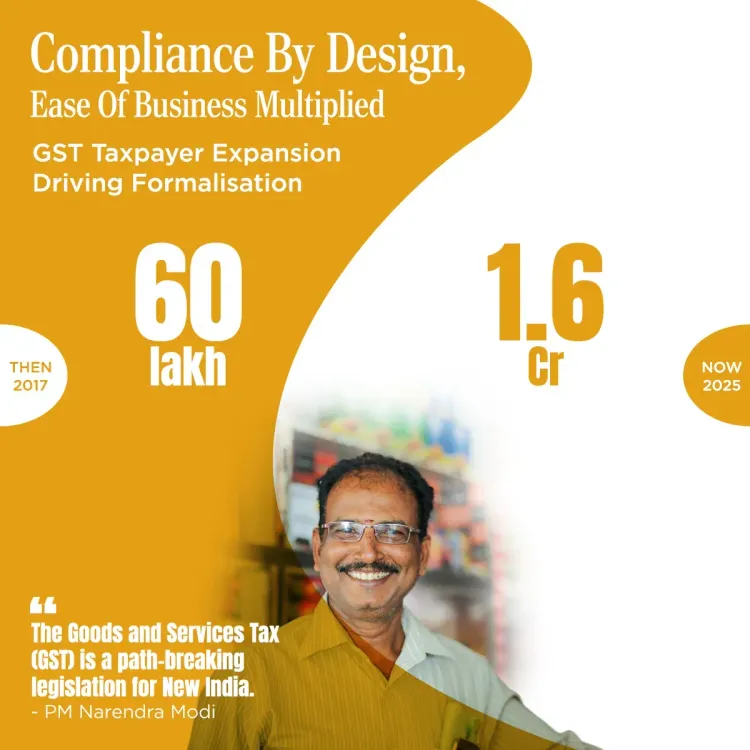
Maharashtra Chief Minister Devendra Fadnavis on Tuesday, June 9, 2026, took to X to mark 12 years of BJP-led governance, invoking the hashtags #12YearsOfSeva (12 years of service), #EaseOfDoingBusiness, and #ViksitBharat (Developed India), underscoring the ruling party's framing of a decade-plus of reform as a foundation for India's long-term economic ambitions.
Context
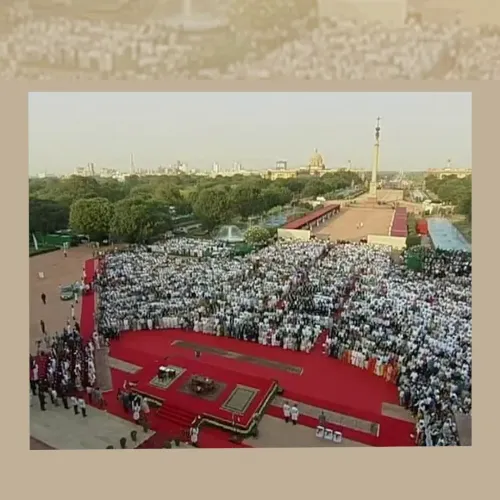
The post marks the completion of 12 years since the BJP came to power at the Centre in May 2014 under Prime Minister Narendra Modi. The anniversary has been observed by BJP leaders across the country as a moment to highlight governance milestones. Fadnavis, who first became Chief Minister of Maharashtra in 2014, is among the party's most prominent state-level faces and has been closely associated with the reform narrative since its inception.
Policy Backdrop
The Ease of Doing Business initiative, a flagship Central government programme launched after 2014, drove a series of regulatory changes that lifted India's ranking in the World Bank Ease of Doing Business Index from 142nd in 2014 to 63rd in 2020. The reforms included single-window clearances, labour-law simplifications, and digitisation of compliance processes. Maharashtra, as India's most industrialised state and a leading destination for foreign direct investment, has consistently featured in state-level business-reform assessments tied to this Central framework.
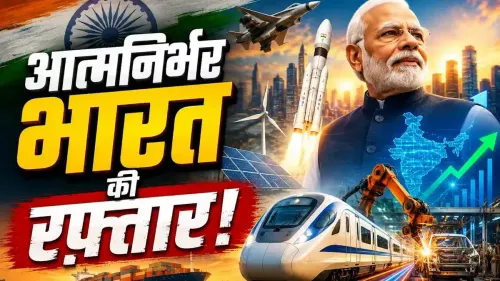
The Viksit Bharat (Developed India) vision, which targets advanced-economy status for India by 2047, has become the overarching policy umbrella under which successive BJP governments at the Centre and in states have situated incremental business-regulation changes. By invoking all three hashtags together, Fadnavis signals Maharashtra's alignment with that long-run national agenda.
Stakeholders and Impact
The primary beneficiaries cited in the BJP's reform narrative are domestic businesses, foreign investors, and entrepreneurs seeking faster regulatory clearances. Maharashtra has positioned itself as a competitive destination for manufacturing and services investment, with single-window systems and land-allotment processes cited as areas of ongoing reform. Industry bodies and investor groups have historically tracked state-level rankings as a signal of administrative intent.
For ordinary citizens, the 'Seva' (service) framing in #12YearsOfSeva is directed at a broader constituency, connecting governance reforms to welfare delivery and infrastructure development that the party credits to the same twelve-year period.
What's Next
The next round of state-level business-reform rankings is expected to test whether Maharashtra has sustained its momentum on single-window clearances and regulatory simplification. Any new land-allotment or investment-facilitation policy announcements from the Maharashtra government in the coming months will be closely watched as a follow-through on the commitments signalled by CM Fadnavis in this post. With the Viksit Bharat 2047 timeline now a stated national benchmark, state-level performance on business ease will carry increasing political as well as economic weight.
Point of View
Tying Maharashtra's governance record to the BJP's national narrative at a symbolically significant anniversary. By pairing 'Seva' with 'Ease of Doing Business' and 'Viksit Bharat', he positions the state as both a beneficiary and an engine of the Central reform agenda — useful messaging ahead of any future electoral cycle. The move also reflects the BJP's broader strategy of converting policy outcomes into a coherent long-arc story, where incremental regulatory gains accumulate into a civilisational project by 2047. Whether Maharashtra's actual investment and clearance data matches the ambition of the hashtags will determine how durable the narrative proves.
NationPress
23 Oct 2026
Frequently Asked Questions
What is #12YearsOfSeva that Devendra Fadnavis posted about?
#12YearsOfSeva marks 12 years since the BJP came to power at the Centre in May 2014, with party leaders highlighting governance, welfare, and economic reform achievements over that period.
What is the Viksit Bharat vision mentioned by CM Fadnavis?
Viksit Bharat, meaning 'Developed India', is the Central government's long-term goal of achieving advanced-economy status for India by 2047, the centenary of independence.
How has India's Ease of Doing Business ranking changed since 2014?
India's ranking in the World Bank Ease of Doing Business Index improved from 142nd in 2014 to 63rd in 2020, driven by regulatory reforms introduced by the Central government.
What is Maharashtra's role in India's Ease of Doing Business reforms?
Maharashtra, as India's most industrialised state, has consistently featured in state-level business-reform assessments, with measures such as single-window clearances and labour-law simplifications being key focus areas.
How long has Devendra Fadnavis been Chief Minister of Maharashtra?
Devendra Fadnavis first became Chief Minister of Maharashtra in 2014 and has served in the role across two terms, making him one of the BJP's most senior state-level leaders.