CM Fadnavis Champions Youth Schemes Driving Viksit Bharat
Synopsis
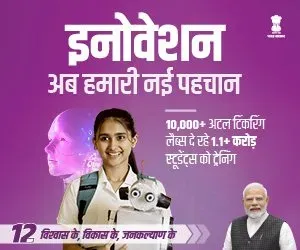
Maharashtra CM Devendra Fadnavis on 13 June 2026 credited PM Modi's flagship youth programmes — Skill India, PMKVY, Startup India, Khelo India, MY Bharat and Rozgar Melas — with empowering India's 'Amrit Peedhi' and accelerating the nation's path to Viksit Bharat by 2047.
Key Takeaways
CM Devendra Fadnavis posted on 13 June 2026 under #12YearsOfYuvaShakti , amplifying central government youth initiatives.
Skill India (launched July 2015 ) targeted skilling 400 million Indians in vocational trades; PMKVY provides industry-aligned certification.
Startup India (announced 16 January 2016 ) offers tax relief and funding support to new ventures, fostering India's startup ecosystem.
Khelo India (introduced 2017 ) builds grassroots sports infrastructure and identifies talent at school and university level.
Rozgar Melas , institutionalised after 2021 , connect skilled youth to formal government employment at scale.
All schemes are framed within the Viksit Bharat 2047 goal — India's ambition to become a fully developed nation by the centenary of independence.
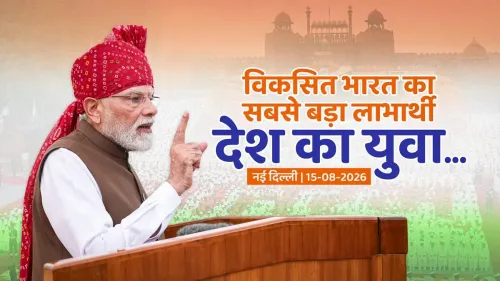
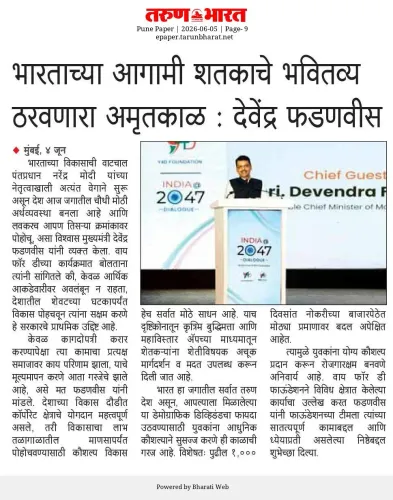
Maharashtra Chief Minister Devendra Fadnavis on Saturday, 13 June 2026, took to X to highlight the transformative role of central government youth initiatives, framing India's young population as the driving force behind the country's march toward Viksit Bharat. Fadnavis credited Prime Minister Narendra Modi's vision for empowering the 'Amrit Peedhi' — India's aspirational generation — through a cluster of flagship programmes spanning skills, entrepreneurship, employment and sports.
Context
Posting under the hashtag #12YearsOfYuvaShakti, Fadnavis wrote: 'Yuva Shakti Driving Viksit Bharat!' — underscoring that India's youth are shaping the future 'with skill, innovation, entrepreneurship and sporting excellence.' The post coincides with a broader BJP effort to mark twelve years of youth-centric governance under PM Modi, aligning state-level messaging in Maharashtra with the Centre's developmental narrative.
The reference to 'Amrit Peedhi' situates the post within the Amrit Kaal framework — India's 25-year journey from the 75th to the 100th year of independence, with 2047 as the target year for a fully developed India.
Policy Backdrop
Skill India, launched in July 2015, set an ambitious target of training 400 million Indians in vocational skills across sectors. It operates alongside PMKVY (Pradhan Mantri Kaushal Vikas Yojana), which provides short-term, industry-aligned skill certification to youth across the country.
Startup India, announced on 16 January 2016, extended tax benefits, funding access and regulatory relief to new ventures, helping seed an entrepreneurial ecosystem that has since produced several globally recognised unicorns. Khelo India, introduced in 2017, has focused on building grassroots sports infrastructure and identifying talent at the school and university level, with successive editions of the Khelo India Games drawing thousands of young athletes annually.
Rozgar Melas — large-scale government recruitment drives institutionalised after 2021 — have served as a visible mechanism for translating skilling into formal employment, while MY Bharat functions as a youth engagement platform promoting volunteerism and leadership.
Stakeholders and Impact
The primary beneficiaries of these schemes are Indian youth — young job-seekers, aspiring entrepreneurs and grassroots athletes, particularly from Tier-2 and Tier-3 cities and rural areas. For Maharashtra, one of India's largest states by GDP and youth population, the uptake of PMKVY and Startup India carries significant economic weight, given the state's concentration of manufacturing, services and startup activity.
Fadnavis's public endorsement signals continued centre-state convergence on youth policy, a pattern consistent with BJP-governed states amplifying central government programme outcomes to build a unified development narrative ahead of electoral cycles.
What's Next
Attention will now turn to state-level implementation data — specifically Maharashtra's enrolment and certification numbers under PMKVY and the scale of Startup India registrations from the state. The next edition of the Khelo India University Games is also expected to serve as a showcase for the programme's grassroots impact. As India moves deeper into its Amrit Kaal, the performance of these youth schemes will be a key metric in assessing progress toward the Viksit Bharat 2047 goal.
Point of View
Entrepreneurship, employment and sports — Fadnavis implicitly makes the case that Maharashtra is an active partner, not merely a passive recipient, of these initiatives. The post also reflects a broader pattern: as India's demographic dividend window narrows, political capital is increasingly built on visible youth-policy delivery rather than traditional welfare messaging.
NationPress
13 Sept 2026
Frequently Asked Questions
What is Viksit Bharat and when is it targeted?
Viksit Bharat is India's stated goal of becoming a fully developed nation by 2047 , the centenary of independence, by leveraging economic growth, infrastructure and human capital development.
What is the Skill India mission and what does it aim to do?
Skill India , launched in July 2015 , is a national mission to train 400 million Indians in vocational and industry-relevant skills, improving employability across sectors.
What is the Khelo India programme?
Khelo India , introduced in 2017 , is a central government sports development programme that funds grassroots infrastructure, identifies young athletes and organises national-level games at school and university levels.
Why did CM Fadnavis post about central government youth schemes?
Fadnavis posted under #12YearsOfYuvaShakti to mark twelve years of BJP-led youth-focused governance under PM Modi , reinforcing centre-state alignment on the Viksit Bharat development agenda.