CM Fadnavis Backs RBL Bank–Emirates NBD Partnership in Mumbai
Synopsis
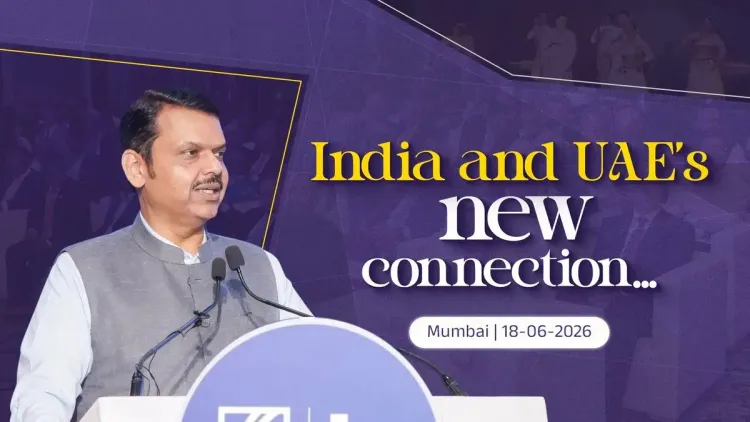
Maharashtra CM Devendra Fadnavis attended the RBL Bank–Emirates NBD Strategic Milestone Ceremony in Mumbai on 18 June 2026, framing the new banking partnership as a modern extension of centuries-old India-UAE maritime and commercial ties, and reinforcing Mumbai's role as the bilateral financial hub.
Key Takeaways
CM Devendra Fadnavis attended the RBL Bank–Emirates NBD Strategic Milestone Ceremony in Mumbai on 18 June 2026 .
He invoked centuries of Arabian Sea maritime history to frame the banking partnership as a natural evolution of India-UAE ties.
RBL Bank is a Mumbai-headquartered Indian private-sector lender; Emirates NBD is one of the UAE's largest banks.
The partnership aligns with the India-UAE Comprehensive Economic Partnership Agreement (CEPA) signed in February 2022 .
The tie-up is expected to benefit cross-border traders, remittance senders, and businesses operating between Maharashtra and the UAE .
Further regulatory approvals and product announcements are anticipated as the two banks deepen their operational integration.
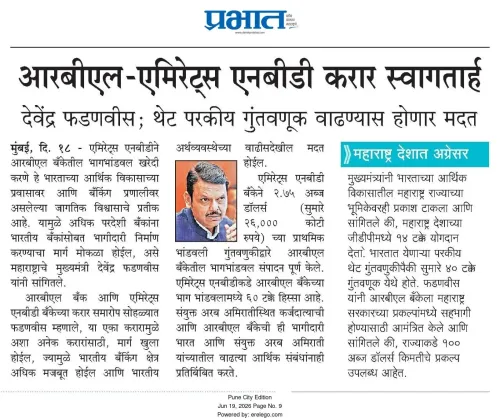
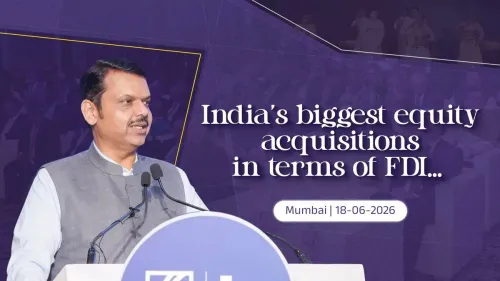
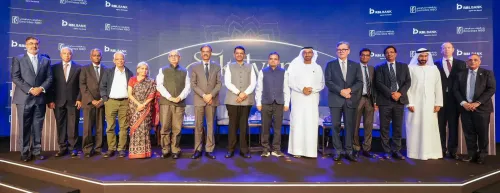
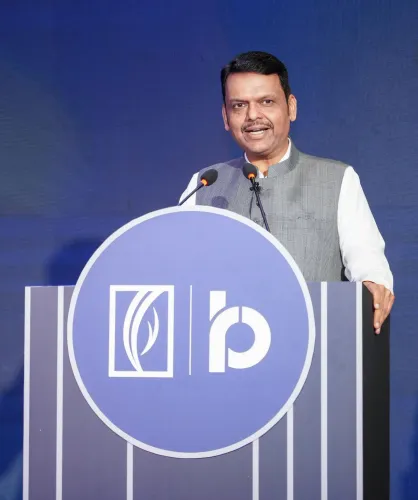
Maharashtra Chief Minister Devendra Fadnavis on Thursday, 18 June 2026, lent his voice to a landmark bilateral financial milestone, attending the RBL Bank–Emirates NBD Strategic Milestone Ceremony in Mumbai and invoking centuries of India-UAE maritime history to underscore the partnership's significance.
Context
Speaking at the ceremony, Fadnavis drew a direct line from history to commerce: 'शतकानुशतके अरबी समुद्राने भारत आणि यूएईला जोडले आहे' ['For centuries, the Arabian Sea has connected India and the UAE'], adding that the RBL Bank–Emirates NBD partnership now gives that ancient relationship a new dimension. The event, held in Mumbai—India's financial capital—brought together representatives from both institutions to mark a strategic collaboration between an Indian private-sector lender and one of the UAE's largest banking groups.
Policy Backdrop
The partnership sits squarely within the framework of the India-UAE Comprehensive Economic Partnership Agreement (CEPA), signed in February 2022, which was designed to expand trade, investment, and financial services between the two countries. Banking cooperation has been a key pillar of that agreement, with both governments encouraging private-sector tie-ups to streamline remittances, trade finance, and cross-border capital flows. Mumbai has consistently been positioned as the primary hub for India-UAE bilateral financial activity, given its deep institutional infrastructure and the large Indian diaspora in the UAE.
RBL Bank, formerly known as Ratnakar Bank and headquartered in Mumbai, is an Indian private-sector lender with a growing retail and wholesale banking footprint. Emirates NBD, formed through the merger of Emirates Bank and the National Bank of Dubai, is one of the UAE's systemically important financial institutions, with significant exposure to the India corridor through trade finance and the Indian diaspora's remittance flows.
Stakeholders and Impact
The partnership is expected to benefit private banks, cross-border traders, and the large community of Indian professionals and businesses operating between Maharashtra and the UAE. Remittances from the UAE constitute a significant share of India's total inward remittances, and deeper banking integration can reduce transaction costs and processing times for millions of households. For Maharashtra specifically, closer financial linkages with a Gulf banking major could also help channel UAE-based investment into the state's infrastructure and industrial projects.
CM Fadnavis's presence at the ceremony signals the Maharashtra government's active interest in facilitating such bilateral financial arrangements, reinforcing Mumbai's role as the natural gateway for India-Gulf economic engagement.
What's Next
Attention will now turn to the specific cross-border banking products and services that the RBL Bank–Emirates NBD alliance will roll out, as well as any regulatory approvals required from the Reserve Bank of India and UAE financial authorities for deeper operational integration. Analysts will also watch whether this ceremony translates into concrete announcements on trade finance facilities or co-branded remittance products in the months ahead. The partnership could serve as a template for further India-UAE banking collaborations under the CEPA framework.
Point of View
Not merely a corporate milestone. By anchoring the event in the language of civilisational maritime ties, he positions Mumbai as the indispensable node in India's Gulf economic architecture—a narrative that serves both state-level investment attraction and the broader national agenda of deepening CEPA dividends. The move also reflects a wider pattern of Indian state governments competing to host and endorse high-profile bilateral financial events as a soft-power and investment-signalling tool. Whether the RBL Bank–Emirates NBD alliance delivers measurable outcomes for remittance corridors and trade finance will determine how durable this political endorsement proves to be.
NationPress
18 Sept 2026
Frequently Asked Questions
What is the RBL Bank and Emirates NBD partnership about?
The RBL Bank–Emirates NBD partnership is a strategic bilateral banking collaboration between RBL Bank , a Mumbai-based Indian private-sector lender, and Emirates NBD , one of the UAE's largest banks, aimed at deepening cross-border financial services including trade finance and remittances.
Why did CM Devendra Fadnavis attend the RBL Bank–Emirates NBD ceremony?
CM Devendra Fadnavis attended the Strategic Milestone Ceremony in Mumbai on 18 June 2026 to lend state-level support to the partnership, reinforcing Maharashtra 's and Mumbai 's role as the primary hub for India-UAE bilateral financial activity.
How does the RBL Bank–Emirates NBD deal relate to India-UAE CEPA?
The partnership aligns directly with the India-UAE Comprehensive Economic Partnership Agreement (CEPA) , signed in February 2022 , which encourages private-sector financial tie-ups to expand trade, investment, and remittance flows between the two countries.
What is Emirates NBD and why does it matter for India?
Emirates NBD is a major UAE-based bank formed by the merger of Emirates Bank and the National Bank of Dubai. It is significant for India because of the large Indian diaspora in the UAE and the substantial remittance flows and trade finance needs that run through the India-Gulf corridor.
What are the expected benefits of the RBL Bank–Emirates NBD partnership for Indians?
The partnership is expected to reduce transaction costs and processing times for remittances, improve trade finance access for businesses operating between India and the UAE , and potentially channel Gulf-based investment into Maharashtra 's economy.