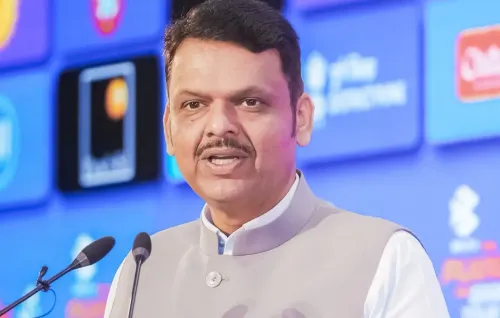
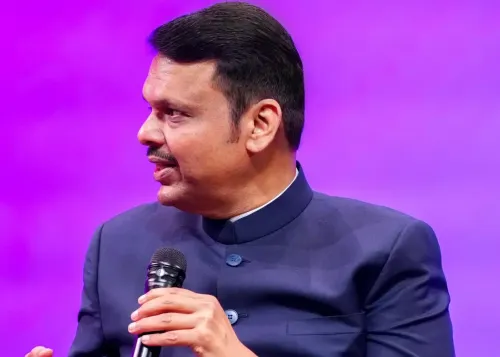
CM Fadnavis addresses Maharashtra FTI meet on deep tech ecosystem
Synopsis
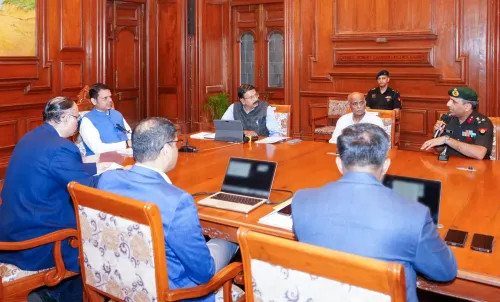
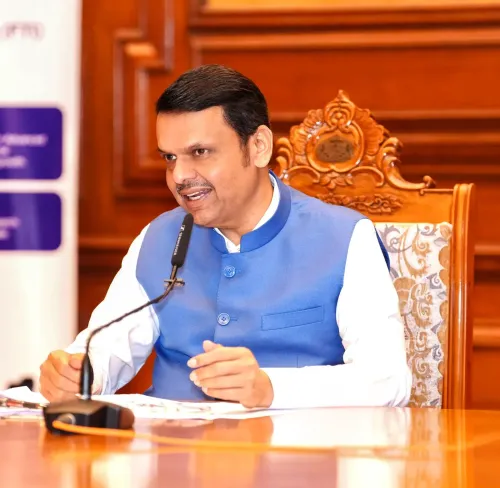
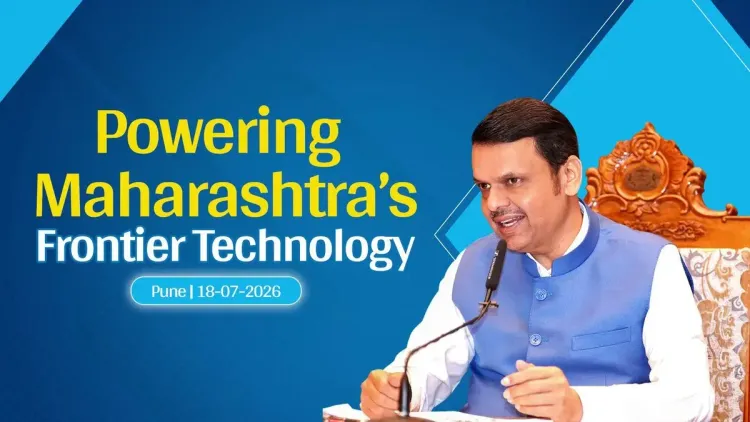
Maharashtra Chief Minister Devendra Fadnavis addressed the state's Advanced Manufacturing and Frontier Technology Institute in Pune on 18 July 2026, laying out a vision for a deep tech and frontier technology ecosystem that complements national schemes like Make in India and the India Semiconductor Mission.
Key Takeaways
CM Devendra Fadnavis addressed the Advanced Manufacturing and Frontier Technology Institute (FTI) meeting in Pune on 18 July 2026 .
The FTI is Maharashtra's institutional platform for developing a deep tech and frontier technology ecosystem .
Pune serves as the host city, leveraging its existing strengths in IT, automotive manufacturing, and engineering education.
The initiative aligns with national frameworks including Make in India , the India Semiconductor Mission , and Atmanirbhar Bharat .
Key stakeholders include deep tech startups , manufacturing firms , and research institutions across Maharashtra.
State budget allocations and MoUs with industry and academic partners are expected to be the next concrete steps.
Maharashtra Chief Minister Devendra Fadnavis addressed the inaugural meeting of the state's Advanced Manufacturing and Frontier Technology Institute (FTI) in Pune on 18 July 2026, focusing on building a robust ecosystem for deep tech and frontier technologies. The address signals Maharashtra's intent to position itself as a national leader in next-generation manufacturing and research.
Context
Fadnavis took to X to share his address at the FTI meeting, describing the session as centred on 'developing the ecosystem for deep tech and frontier technologies.' Pune, the venue for the meeting, is already home to a dense cluster of engineering colleges, IT firms, and automotive manufacturers, making it a natural anchor for such an initiative. The FTI appears to be Maharashtra's institutional vehicle for coordinating state-level policy on advanced manufacturing and emerging technology sectors.
Policy Backdrop
The FTI meeting fits within a broader national framework. The Make in India initiative, launched in 2014, sought to position the country as a global manufacturing destination, including in advanced technology sectors. The India Semiconductor Mission, approved in 2021, further deepened the Centre's commitment to building domestic capabilities in semiconductor design, fabrication, and packaging. Maharashtra's FTI effort appears to complement these central schemes by creating a regional institutional structure that can translate national ambitions into ground-level action.
The meeting also reflects the logic of Atmanirbhar Bharat, the self-reliance doctrine that has guided India's industrial policy in recent years. Domains such as semiconductors, artificial intelligence, advanced materials, and aerospace manufacturing are increasingly viewed as strategic priorities requiring dedicated state-level ecosystems, not just central government mandates.
Stakeholders and Impact
The primary stakeholders of the FTI's work include deep tech startups, established manufacturing firms, and research institutions based in and around Pune and across Maharashtra. For startups, a dedicated frontier technology institute could mean streamlined access to funding pathways, mentorship networks, and regulatory sandboxes. For larger manufacturers, it could signal a clearer policy environment for investing in next-generation production lines.
Academic and R&D institutions — several of which are headquartered in Pune — stand to gain from potential collaboration mandates and infrastructure sharing that such a body could facilitate. The initiative also has implications for employment, as deep tech manufacturing typically generates high-skill jobs that align with Maharashtra's graduate talent pipeline.
What's Next
Observers will watch for concrete follow-through in the form of state budget allocations, memoranda of understanding with industry or academic partners, and alignment with updated central Production Linked Incentive (PLI) schemes for electronics and IT hardware. Whether the FTI evolves into a permanent statutory body or remains an advisory platform will be a key indicator of the state's long-term commitment. Fadnavis's direct participation in the meeting suggests the initiative carries political priority at the highest level of the Maharashtra government.
Point of View
Not merely implement central mandates. By institutionalising deep tech coordination through a dedicated body in Pune, the state is betting that regional ecosystems — not just national schemes — will determine which states capture the next wave of high-value manufacturing investment. This mirrors a pattern seen in other large states that have used industrial bodies to attract semiconductor and AI-adjacent investment ahead of peers. The real test will be whether the FTI produces binding policy outputs — MoUs, budget lines, regulatory frameworks — or remains a consultative forum.
NationPress
17 Oct 2026
Frequently Asked Questions
What is Maharashtra's Frontier Technology Institute (FTI)?
The Advanced Manufacturing and Frontier Technology Institute (FTI) is Maharashtra's state-level body focused on developing an ecosystem for deep tech and frontier technologies, with Pune as a key centre of activity.
Why did CM Fadnavis attend the FTI meeting in Pune?
CM Devendra Fadnavis addressed the FTI meeting on 18 July 2026 to outline the state's vision for building a deep tech manufacturing ecosystem, signalling that the initiative is a top political priority for the Maharashtra government.
How does Maharashtra's FTI relate to Make in India and the India Semiconductor Mission?
Maharashtra's FTI is designed to complement central schemes like Make in India (2014) and the India Semiconductor Mission (2021) by creating a regional institutional structure that can translate national policy into ground-level action in sectors like semiconductors, AI, and advanced materials.
What sectors does Maharashtra's deep tech initiative cover?
The initiative targets frontier technology domains including semiconductors, artificial intelligence, advanced materials, and advanced manufacturing — sectors prioritised under the broader Atmanirbhar Bharat self-reliance framework.
What should we watch for after the Maharashtra FTI meeting?
Key indicators to watch include state budget allocations for frontier technology infrastructure, MoUs with industry and academic partners, and Maharashtra's alignment with updated Production Linked Incentive (PLI) schemes for electronics and IT hardware.