CM Fadnavis Pushes Drought-Free Maharashtra, Meets Akie Abe
Synopsis
On 10 October 2026, Maharashtra CM Devendra Fadnavis directed all state departments to work in coordination to make Maharashtra drought-free, and received a goodwill visit from Akie Abe, widow of assassinated Japanese PM Shinzo Abe, underscoring both agrarian urgency and India-Japan ties.
Key Takeaways
CM Devendra Fadnavis on 10 October 2026 issued a directive for all Maharashtra government departments to coordinate toward making the state drought-free.
The cross-departmental mandate signals a shift toward a structural, whole-of-government approach to water security rather than reactive relief.
Akie Abe , widow of former Japanese PM Shinzo Abe , paid a goodwill visit to CM Fadnavis, reflecting continued Japan-Maharashtra diplomatic warmth.
Shinzo Abe was a key architect of the India-Japan strategic partnership and a champion of major infrastructure investments in Maharashtra, including the Mumbai-Ahmedabad High Speed Rail .
The CMO's end-of-day summary was shared via the state government's Mahasamvad portal and posted on X late Saturday night.
Two sharply different conversations defined Chief Minister Devendra Fadnavis's Saturday, 10 October 2026 — one rooted in the parched soil of Maharashtra's hinterland, the other in the quiet diplomacy of a goodwill visit from one of Japan's most recognised public figures. The Chief Minister's Office of Maharashtra captured both in its end-of-day summary posted on X.
Fadnavis's drought directive: every department, one mission
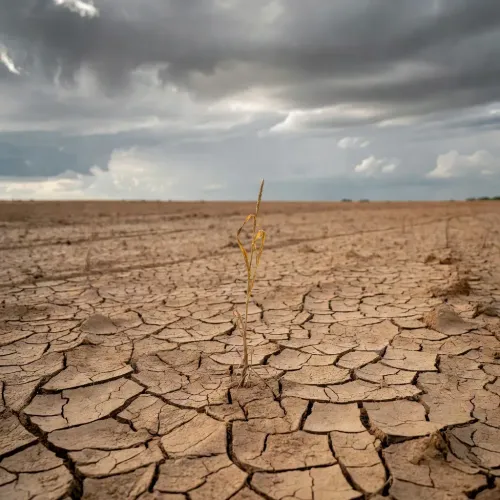
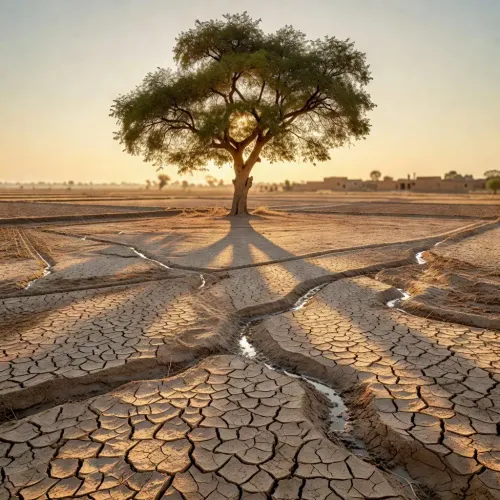
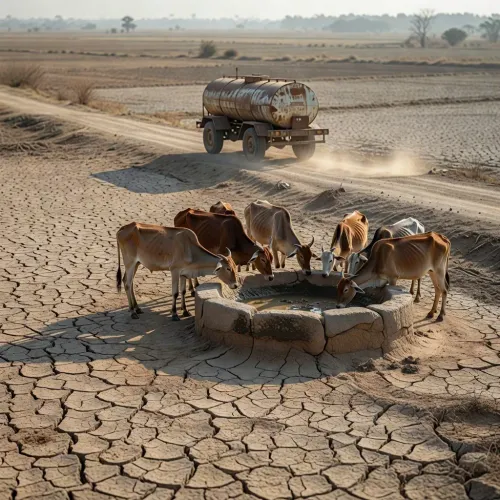
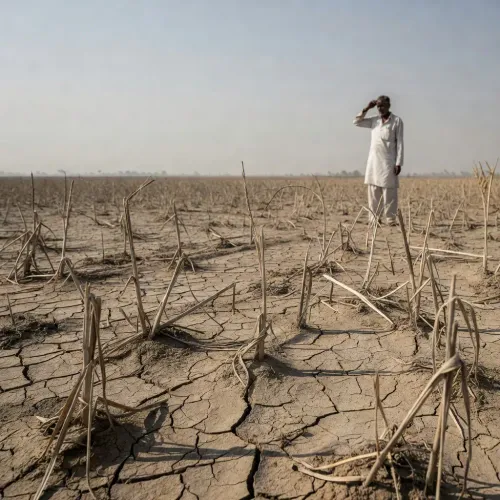
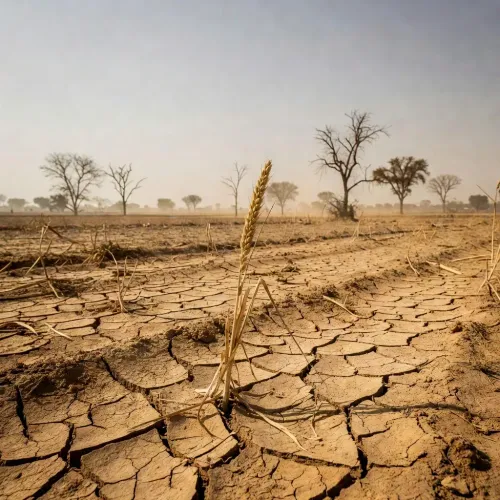
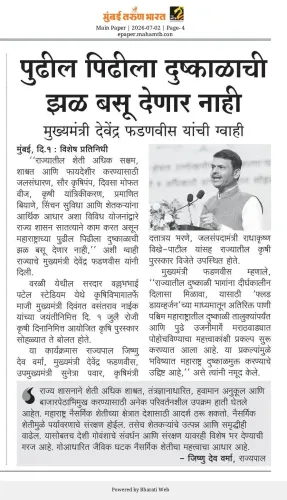
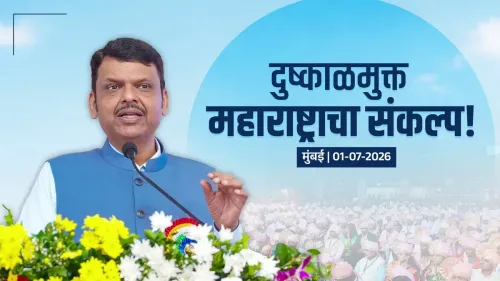
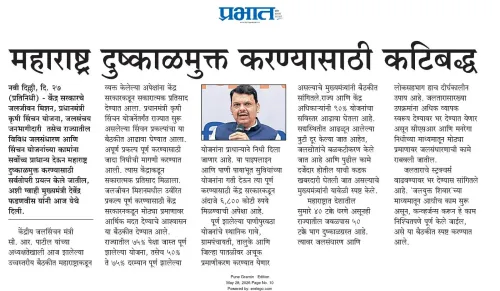
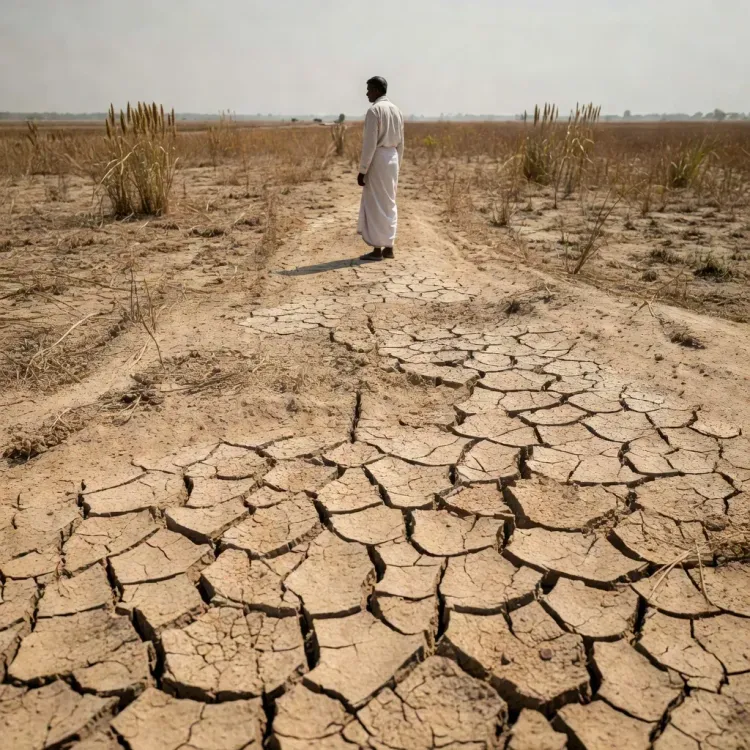
The day's dominant headline was a clear instruction from CM Fadnavis to the state machinery: all departments must work in coordinated tandem to make Maharashtra drought-free. The directive, shared via the government's Mahasamvad portal, signals that the Chief Minister is treating water security not as a single-ministry problem but as a whole-of-government emergency requiring synchronised action across agriculture, irrigation, revenue, and rural development wings.
Maharashtra has historically been one of India's most drought-prone states, with districts in Marathwada and Vidarbha repeatedly bearing the brunt of deficient monsoons, crop failure, and agrarian distress. A cross-departmental mandate of this kind suggests the administration is moving beyond reactive relief toward a more structural, prevention-first approach — though the specific policy instruments behind today's directive were not detailed in the post.
Akie Abe's goodwill call on the Chief Minister
Akie Abe, widow of former Japanese Prime Minister Shinzo Abe — who was assassinated in July 2022 — called on CM Fadnavis in a goodwill visit, the CMO confirmed. Shinzo Abe was one of the most consequential architects of the India-Japan strategic partnership, championing the Japan-India Special Strategic and Global Partnership and driving landmark investments in Indian infrastructure, including the Mumbai-Ahmedabad High Speed Rail corridor. His legacy remains deeply intertwined with Maharashtra's own development ambitions.
Akie Abe's visit to the Chief Minister carries symbolic weight beyond protocol. It signals the continued warmth between Japanese leadership circles and Maharashtra — a state that hosts significant Japanese industrial investment and has been a key beneficiary of bilateral economic ties cultivated during Shinzo Abe's tenure. The goodwill nature of the meeting suggests it was relationship-sustaining rather than transactional, but its timing underscores how deeply the Abe legacy is still felt in India-Japan corridors.
A day that bridged the local and the global
Taken together, Saturday's engagements sketch a Chief Minister navigating two very different registers of governance in a single day — the grinding, ground-level urgency of water scarcity threatening millions of farmers, and the high-table diplomacy of honouring a partnership that helped shape modern Maharashtra. Both conversations, in their own way, are about long-term resilience: one for the land, one for the relationship.
For a state that is simultaneously India's economic powerhouse and home to some of its most vulnerable agrarian communities, that balance is not incidental — it is the job.
Point of View
Meanwhile, is a quiet but meaningful signal: Maharashtra continues to position itself as the primary Indian state-level partner in the India-Japan economic relationship, keeping those ties warm even as bilateral diplomacy operates at the national level. Together, the two engagements on a single Saturday reveal a Chief Minister consciously managing both the domestic political economy of rural distress and the international optics of Maharashtra as a globally connected investment destination. The dual register is deliberate, and the optics are well-calibrated.
NationPress
11 Oct 2026
Frequently Asked Questions
What did CM Devendra Fadnavis say about making Maharashtra drought-free?
CM Fadnavis directed all state government departments to work in coordination with each other to achieve the goal of making Maharashtra drought-free, signalling a whole-of-government approach to water security.
Who is Akie Abe and why did she visit CM Fadnavis?
Akie Abe is the widow of former Japanese Prime Minister Shinzo Abe, who was assassinated in July 2022. She paid a goodwill visit to CM Devendra Fadnavis on 10 October 2026, reflecting the continued warm ties between Japan and Maharashtra.
Which regions of Maharashtra are most affected by drought?
Marathwada and Vidarbha are historically Maharashtra's most drought-prone regions, frequently suffering from deficient monsoons, crop failures, and agrarian distress.
What is Shinzo Abe's connection to Maharashtra?
Shinzo Abe was a key champion of the India-Japan strategic partnership and drove major investments in Indian infrastructure, including the Mumbai-Ahmedabad High Speed Rail corridor, which directly impacts Maharashtra.