CM Fadnavis Marks PM-KISAN 24th Instalment, EV Push in Maharashtra
Synopsis
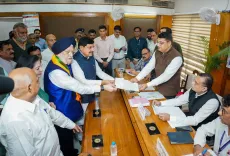
Maharashtra CM Devendra Fadnavis marked the distribution of PM-KISAN's 24th instalment alongside events promoting electric mobility, green energy, and local manufacturing across Mumbai and Pune on 30 October 2026, framing both as pillars of the state's growth agenda.
Key Takeaways
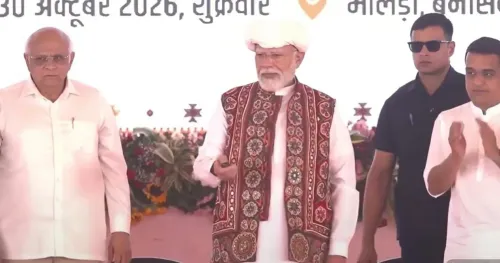
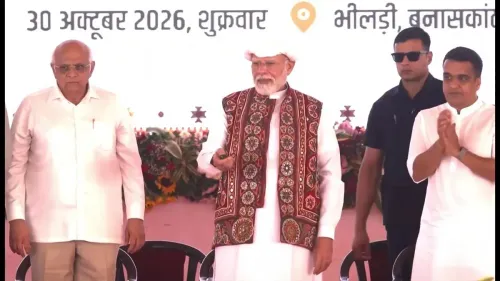
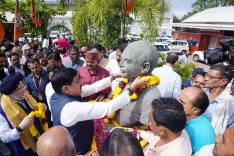
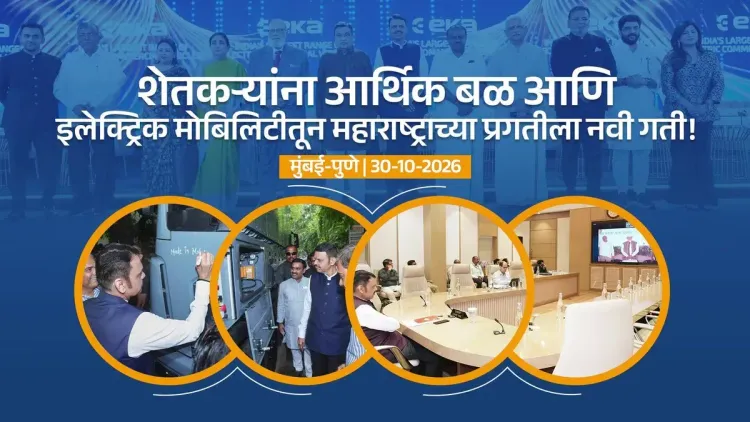
Maharashtra CM Devendra Fadnavis shared moments from events held across Mumbai and Pune on 30 October 2026 .
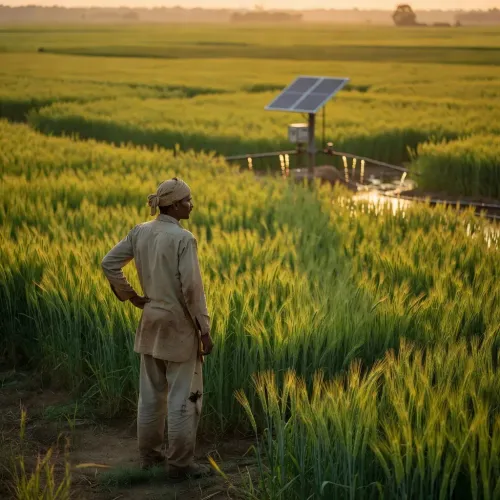
The 24th instalment of PM-KISAN Samman Nidhi Yojana was distributed, continuing the scheme's direct income support of ₹6,000 per year to eligible farmer families.
PM-KISAN has been operational since February 2019 , disbursing funds in three equal instalments of ₹2,000 each .
The same day's events also promoted electric mobility, green energy, and local manufacturing as drivers of Maharashtra's industrial growth.
Fadnavis's post tagged Prime Minister Narendra Modi , framing the initiatives as a Centre-state partnership.
Maharashtra's dual focus on agricultural welfare and EV-sector development reflects a broader state strategy aligning with national manufacturing and renewable energy targets.
Two policy streams — one rooted in the soil, one pointed at the future — converged across Mumbai and Pune on 30 October 2026, as Maharashtra Chief Minister Devendra Fadnavis shared moments from events marking the distribution of the 24th instalment of the PM-KISAN Samman Nidhi Yojana and the state's drive to accelerate electric mobility, green energy, and local manufacturing.
PM-KISAN's 24th Payout: Direct Support to Maharashtra's Farmers
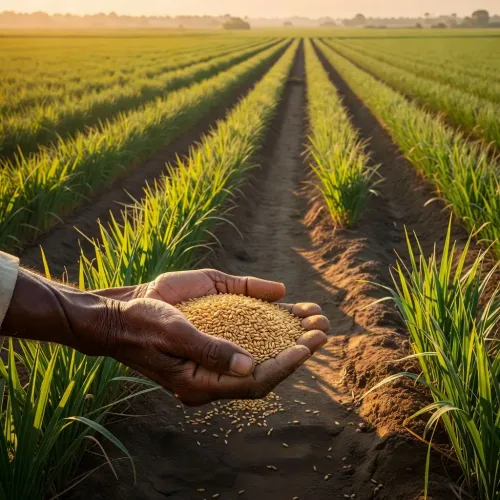
Since its launch in February 2019, PM-KISAN Samman Nidhi Yojana has delivered ₹6,000 per year in direct income support to eligible landholding farmer families, disbursed in three equal instalments of ₹2,000 each. The scheme, announced by Prime Minister Narendra Modi in the Union Budget, is a central sector programme that bypasses intermediaries and credits farmers directly. The 24th instalment marks over five years of continuous, uninterrupted disbursals — a logistical undertaking of national scale.
Maharashtra, India's second-most populous state, carries a substantial agricultural base alongside its industrial identity. Distribution events at the state level, led by the Chief Minister's office, signal political ownership of a welfare programme whose beneficiary count runs into the tens of millions nationally. Fadnavis's post — captioned in both English and Marathi — frames the payout as progress toward a 'prosperous Maharashtra' (समृद्ध महाराष्ट्र).
Electric Mobility and Green Energy: Maharashtra's Industrial Bet
The second strand of the day's events speaks to where Maharashtra wants to be in a decade. The state has aligned its industrial policy with national goals on electric vehicles and renewable energy, positioning itself as a manufacturing destination for the green economy. Fadnavis's emphasis on 'local manufacturing' alongside EV and green energy signals a Make-in-Maharashtra dimension to what might otherwise read as a central-policy push.
The pairing of farm welfare and industrial green policy in a single post is deliberate: it projects a government that can simultaneously hold the hand of a small farmer in Vidarbha and cut a ribbon at an EV plant on the Pune-Mumbai corridor. Both audiences matter in Maharashtra's electoral and economic calculus.
A Dual-Track Development Pitch
The hashtags — #PMKisanSammanNidhi, #GreenMobility, #Maharashtra — and the tagged mention of @narendramodi together frame the day's events as shared credit between the state and the Centre. That framing is itself a message: Maharashtra under the current dispensation presents itself as both a diligent implementer of central welfare and an autonomous driver of industrial transformation.
With the next PM-KISAN instalment cycle and any forthcoming state EV policy announcements on the horizon, the dual-track momentum Fadnavis highlighted on Friday will face its real test in the numbers — beneficiary coverage, EV registration growth, and investment commitments from green manufacturers.
Point of View
Maharashtra's ability to convert green-energy rhetoric into measurable EV investment and manufacturing employment will determine whether the industrial strand of this pitch holds up — or remains a backdrop to agrarian welfare messaging.
NationPress
31 Oct 2026
Frequently Asked Questions
What is PM-KISAN Samman Nidhi Yojana?
PM-KISAN Samman Nidhi Yojana is a central government scheme launched in February 2019 that provides ₹6,000 per year in direct income support to eligible landholding farmer families, paid in three instalments of ₹2,000 each directly into their bank accounts.
What is the 24th instalment of PM-KISAN?
The 24th instalment refers to the latest scheduled payout under PM-KISAN, marking more than five years of continuous disbursals since the scheme's launch. Each instalment delivers ₹2,000 per eligible farmer family.
What is Maharashtra doing for electric mobility and green energy?
Maharashtra has been aligning its industrial policy with national electric vehicle and renewable energy targets, promoting local EV manufacturing and green energy infrastructure, particularly in the Mumbai-Pune economic corridor.
Why did CM Fadnavis tag PM Modi in the post?
Fadnavis tagged Prime Minister Narendra Modi to signal that the day's events — covering both PM-KISAN disbursals and industrial green energy initiatives — represent a Centre-state partnership under the BJP-led governments at both levels.
What cities did the Maharashtra PM-KISAN and EV events take place in?
According to CM Fadnavis's post, the events were held across Mumbai and Pune on 30 October 2026.