Fadnavis tells World Bank: Make water projects shovel-ready before funding
Synopsis
Maharashtra CM Devendra Fadnavis has laid down a clear condition for World Bank and IFC financing: water projects must be fully shovel-ready before a rupee is committed. Add solar-powered operations, treated wastewater sold to industries, and a hard push on inter-agency coordination — and Maharashtra is pitching a financially self-sustaining model for urban water infrastructure that could set a template for other states.
Key Takeaways
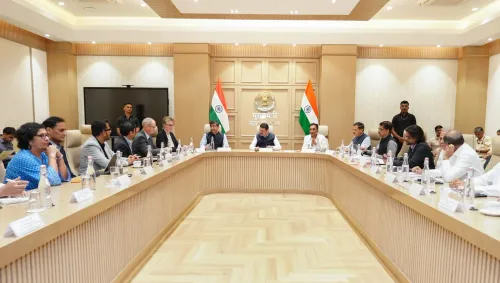
Maharashtra CM Devendra Fadnavis met a World Bank and IFC delegation on 22 October 2026 in Mumbai to review urban water infrastructure projects.
Fadnavis said projects must have land, rights-of-way, and statutory clearances secured before financing is approved to avoid delays of one to two years .
He called for solar energy and battery storage to be integrated at the planning stage to cut electricity costs, the largest operational expense in water projects.
Identifying industrial and other consumers for treated wastewater should be part of project design, enabling partial cost recovery and promoting recycling.
Fadnavis said Maharashtra's World Bank partnership must expand beyond finance to drive institutional and systemic reform .
Project timelines presented were described as ambitious but achievable through sound planning and inter-agency coordination .
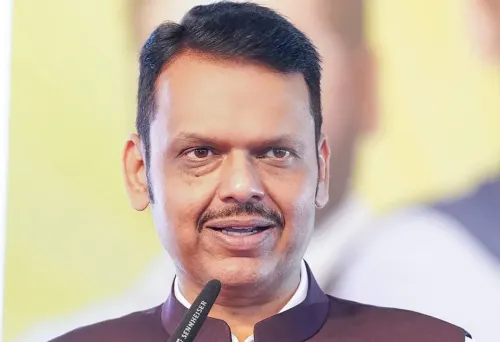
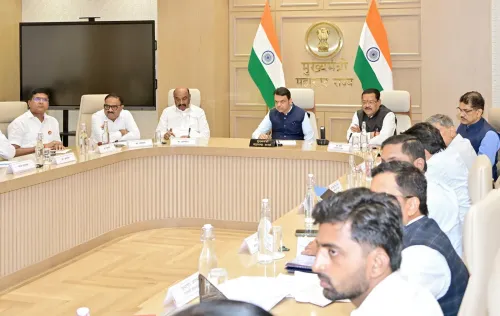
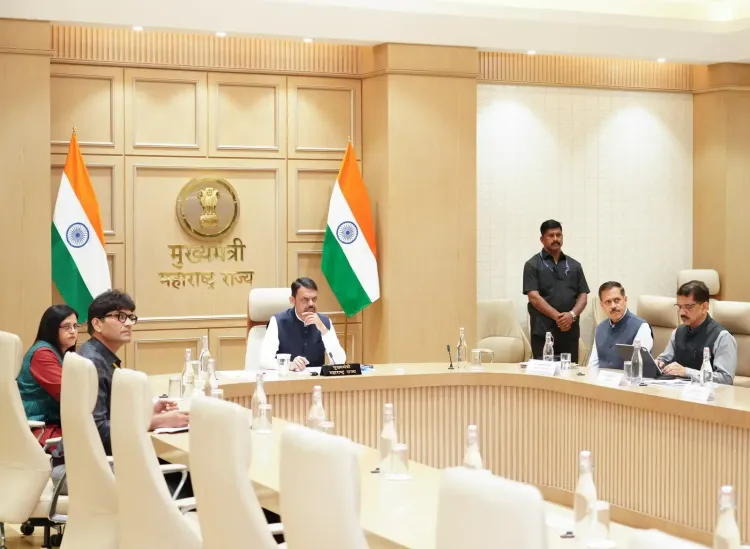
Maharashtra Chief Minister Devendra Fadnavis on Thursday, 22 October stressed that water infrastructure projects must have land acquired, rights-of-way defined, and all statutory clearances in place before financing is committed — a direct response to recurring delays that have pushed back project starts by one to two years in the past. He was addressing a high-level review meeting with a delegation from the World Bank and the International Finance Corporation (IFC) on Maharashtra's urban infrastructure and water projects in Mumbai.
Why Shovel-Readiness Is Non-Negotiable
Fadnavis was unambiguous: projects selected for World Bank financing must be fully execution-ready at the point of investment approval. 'Frequently, after a project is approved, the unavailability of land or other hurdles delay the commencement of work by one to two years,' he said. Pre-clearing land and regulatory bottlenecks, he argued, is the single most effective safeguard against cost and time overruns — a pattern that has dogged large infrastructure programmes across Indian states for decades.
Cutting Electricity Costs Through Solar and Battery Storage
The Chief Minister identified electricity as the dominant operational expense in water projects, noting that in many cases financial stress stems not from technical failures but from unaffordable power bills. He called for solar energy installations and battery storage systems to be embedded into project planning from the outset, rather than retrofitted later. Reducing power costs, he said, is central to making these projects financially self-sufficient over the long term. Fadnavis also indicated that existing policies on supplying treated water to industrial zones and power plants should be updated to create stronger mechanisms for recycled water usage.
Treated Wastewater as a Revenue Stream
Fadnavis highlighted the under-exploited potential of sewage-treated water as a revenue generator. Identifying industrial and other consumers for treated water must be built into project planning from day one, he said — not treated as an afterthought. This approach simultaneously creates demand, promotes recycling, and enables partial cost recovery, improving overall project economics. The Chief Minister noted that smaller cities across Maharashtra also face high infrastructure demand, and that pooling resources and coordinating across institutions can lower financing costs at scale.
World Bank Partnership: Beyond Finance
The review meeting covered project implementation timelines, financing structures, technical solutions, and inter-agency coordination. Fadnavis underscored that Maharashtra's engagement with the World Bank goes beyond securing funds — it is a platform for institutional and systemic reform. 'The World Bank's contribution is crucial in developing modern technology, efficient operational frameworks, and sustainable systems for future generations,' he said. The state has previously worked with the Bank across multiple sectors, and Fadnavis said this partnership needs to expand further. He expressed confidence that successful execution of the initial phase of planned projects would pave the way for a broader, scaled-up rollout.
Ambitious but Achievable Timelines
The project timelines presented at the meeting were described by Fadnavis as ambitious yet achievable, contingent on sound planning and inter-agency coordination. All concerned departments have been asked to work within established deadlines. The review signals Maharashtra's intent to accelerate urban water infrastructure as part of a wider push to attract multilateral financing into climate-resilient public utilities.
Point of View
Not just administrative tidiness. The solar-plus-storage push is equally pointed: water utilities in India are chronically loss-making largely because of electricity subsidies that evaporate when tariffs rise. If Maharashtra can demonstrate that treated wastewater sold to industry offsets operational costs, it could change how multilateral lenders price urban water risk across the country. The real test is whether these conditions are enforced at project selection — or quietly relaxed under political pressure once a tender is on the table.
NationPress
22 Oct 2026
Frequently Asked Questions
What did CM Devendra Fadnavis tell the World Bank about Maharashtra water projects?
Fadnavis told the World Bank and IFC delegation on 22 October 2026 that only fully shovel-ready projects — with land acquired, rights-of-way defined, and all clearances obtained — should be selected for financing. He said post-approval land disputes have historically delayed project starts by one to two years.
Why is electricity a concern for water infrastructure projects in Maharashtra?
Fadnavis identified electricity as the largest operational expense for water projects, saying financial stress often results from unaffordable power bills rather than technical failures. He recommended integrating solar energy and battery storage from the planning stage to reduce power costs and improve long-term viability.
How does treated wastewater fit into Maharashtra's water project financing model?
The CM said identifying industrial and other consumers for sewage-treated water must be built into project planning from the outset. Selling treated water to industries and power plants generates demand, encourages recycling, and allows partial recovery of project investment costs.
What is the scope of Maharashtra's partnership with the World Bank?
Fadnavis stressed that the World Bank partnership goes beyond financial assistance and is critical for institutional and systemic reforms, modern technology adoption, and building sustainable operational frameworks. The state has previously collaborated with the Bank across multiple sectors and wants to expand that engagement.
Are the water project timelines discussed with the World Bank realistic?
Fadnavis described the timelines as ambitious but achievable, provided there is sound planning and strong inter-agency coordination. He called on all concerned departments to work within established deadlines and said successful execution of the first phase would enable broader, scaled-up implementation.