CM Fadnavis Announces Substation Bifurcation to Cut Power Load
Synopsis
Chief Minister Devendra Fadnavis told the Maharashtra Assembly on 23 June 2026 that power substations will be bifurcated wherever overloaded, aiming to cut excess load and reduce outages — a move that directly benefits urban consumers and MSEDCL ahead of peak monsoon demand.
Key Takeaways
CM Devendra Fadnavis announced substation bifurcation at the Maharashtra Legislative Assembly on 23 June 2026 .
The measure targets excess load on power substations across Maharashtra , with bifurcation to be carried out 'wherever necessary'.
The announcement was made during the Monsoon Session 2026 , when power reliability concerns peak due to seasonal demand spikes.
MSEDCL , the state's primary distribution utility, is the key agency responsible for implementing such infrastructure changes.
Maharashtra has previously executed substation and feeder upgrades under the IPDS and UDAY schemes between 2015 and 2019.
Specific project timelines and budget details are expected in subsequent assembly statements or FY 2026-27 budget documents.
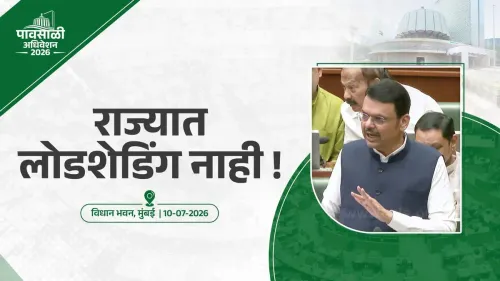
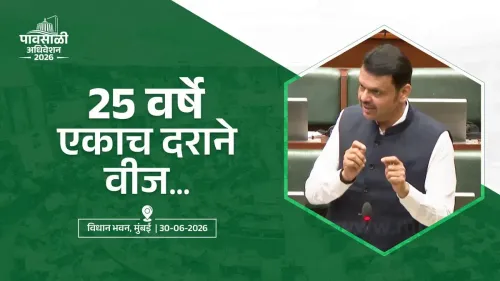
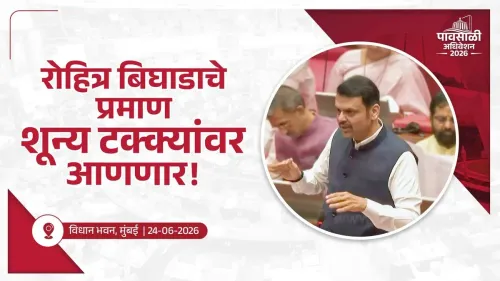
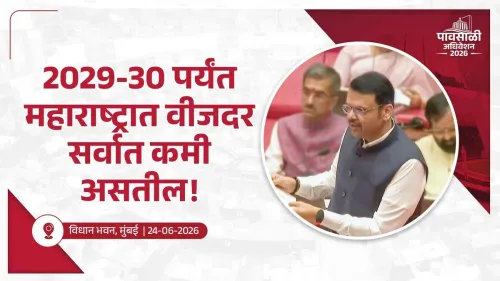
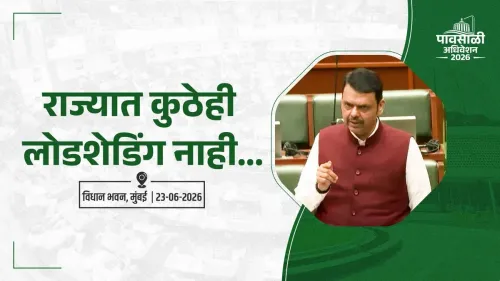
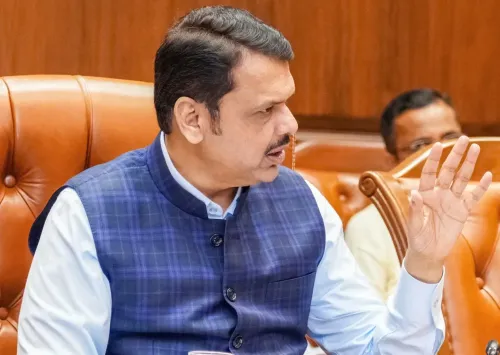
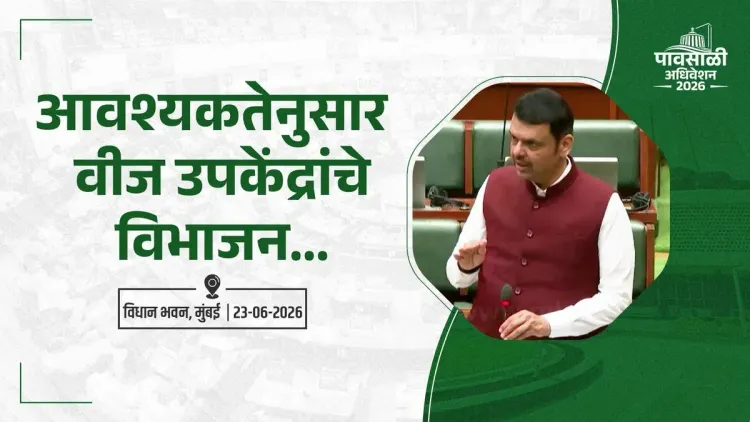
Maharashtra Chief Minister Devendra Fadnavis announced on Tuesday, 23 June 2026, that power substations across the state will be bifurcated wherever necessary to reduce excess load, making the declaration from the floor of the Maharashtra Legislative Assembly in Mumbai during the ongoing Monsoon Session 2026.
Context
Fadnavis made the announcement in both English and Marathi, stating: 'वीज उपकेंद्रांवरील अतिरिक्त भार कमी करण्यासाठी आवश्यकता असेल त्या ठिकाणी उपकेंद्रांचे विभाजन करण्यात येईल' ['Substations will be bifurcated wherever necessary to reduce the excess load on power substations']. The statement came during the Monsoon Session, a period when legislators routinely press the government on power reliability as seasonal demand spikes.
The assembly floor announcement signals that the state government is treating substation overload as a live infrastructure concern requiring legislative attention, not merely administrative follow-up.
Policy Backdrop
Maharashtra has a long record of distribution-level power interventions. The state joined the central UDAY (Ujwal DISCOM Assurance Yojana) scheme in 2015-16 to improve the financial health of its distribution companies and upgrade infrastructure. Between 2017 and 2019, the government executed multiple feeder separation and substation augmentation projects under the Integrated Power Development Scheme (IPDS).
The primary distribution utility, Maharashtra State Electricity Distribution Company Limited (MSEDCL), is responsible for power supply across the state including Mumbai's suburbs, where load density is among the highest in the country. Substation bifurcation — splitting a single overloaded substation's feeder network into two or more circuits — is a proven technical measure to reduce outage risk and improve voltage stability.
Stakeholders and Impact
Urban electricity consumers in high-density zones stand to benefit most directly. Overloaded substations are a leading cause of localised outages, voltage fluctuations, and transformer failures — problems that intensify during the June-September monsoon period when cooling loads and weather-related faults coincide.
For MSEDCL and allied utilities, substation bifurcation reduces technical losses and eases maintenance burdens. Industrial and commercial consumers in affected zones can expect more stable supply, which has downstream effects on productivity and equipment longevity. Residential consumers in suburban Mumbai and other urban centres are likely to see the most immediate relief.
What's Next
Detailed project timelines, specific substation locations, and budget allocations are expected to be tabled in subsequent assembly replies or in state budget documents for FY 2026-27. The government's framing — 'wherever necessary' — suggests a needs-based, rolling programme rather than a fixed list of sites announced upfront.
Observers will watch whether the bifurcation drive is paired with broader loss-reduction and tariff-rationalisation measures that have historically accompanied Maharashtra's distribution upgrades. The Monsoon Session provides an immediate forum for legislators to push for district-specific commitments.
Point of View
The government retains administrative flexibility while still claiming a policy win. The move fits a broader pattern in which Maharashtra pairs technical distribution upgrades with political optics around reliable supply. Whether the announcement translates into measurable infrastructure outcomes will depend on how quickly MSEDCL can survey, fund, and execute the bifurcation work before the monsoon peak intensifies.
NationPress
22 Sept 2026
Frequently Asked Questions
What did CM Devendra Fadnavis announce about power substations in Maharashtra?
CM Fadnavis announced on 23 June 2026 at the Maharashtra Legislative Assembly that substations will be bifurcated wherever necessary to reduce excess load and improve power reliability.
What is substation bifurcation and how does it help consumers?
Substation bifurcation splits an overloaded substation's feeder network into two or more circuits, reducing outage risk, improving voltage stability, and lowering technical losses for consumers in affected areas.
Which utility will carry out the substation bifurcation work in Maharashtra?
Maharashtra State Electricity Distribution Company Limited (MSEDCL) is the state's primary distribution utility and is expected to be the key implementing agency for the bifurcation programme.
When was the Maharashtra Monsoon Session 2026 held?
The Maharashtra Legislative Assembly Monsoon Session 2026 was underway as of 23 June 2026 in Mumbai, where CM Fadnavis made the substation bifurcation announcement.
Has Maharashtra done substation upgrades before?
Yes. Between 2017 and 2019 the state executed feeder separation and substation augmentation projects under the Integrated Power Development Scheme (IPDS), and joined the central UDAY scheme in 2015-16 to improve distribution infrastructure.