CM Fadnavis Pays Floral Tribute to Dadasaheb Phalke in Mumbai
Synopsis
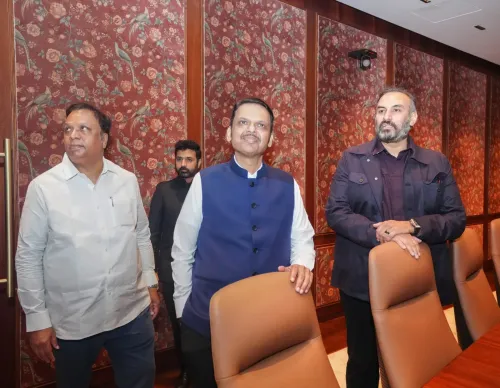
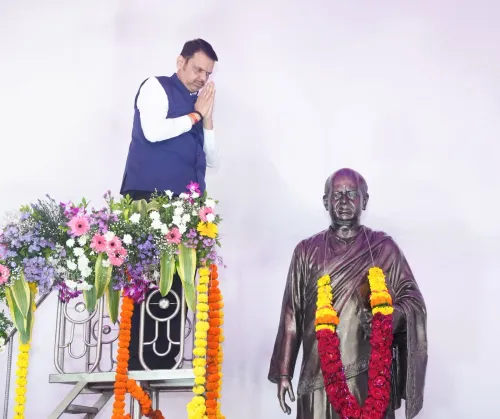
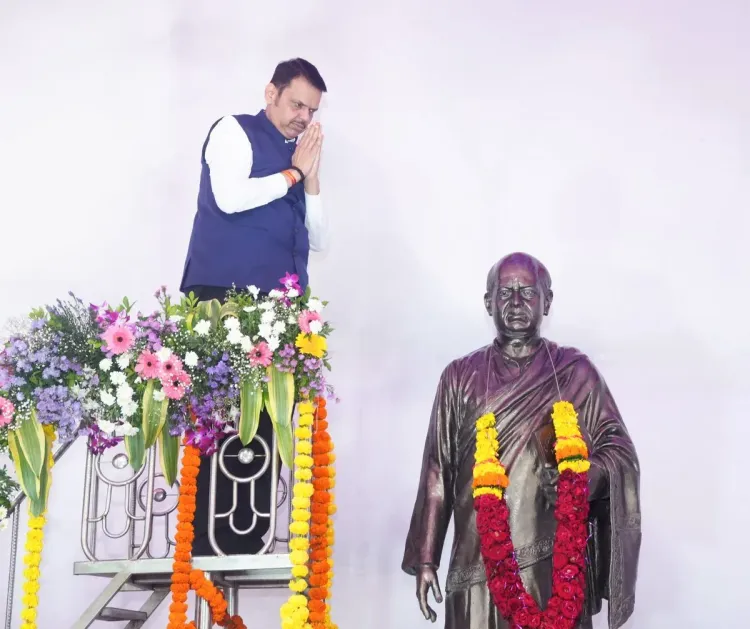
Chief Minister Devendra Fadnavis paid floral tributes to Dadasaheb Phalke at Mumbai's Chitranagari on 6 August 2026. Minister Ashish Shelar and other dignitaries attended the noon ceremony honouring the father of Indian cinema.
Key Takeaways
CM Devendra Fadnavis offered floral tributes to Dadasaheb Phalke 's statue at Dadasaheb Phalke Chitranagari, Mumbai on 6 August 2026 .
Ashish Shelar and other dignitaries were present at the 12 noon ceremony.
Dadasaheb Phalke directed India's first feature film, Raja Harishchandra , in 1913 , earning the title 'father of Indian cinema'.
The tribute was held at the film studio complex named after Phalke — one of Mumbai's most active production hubs.
Maharashtra governments have a tradition of official tributes at cultural landmarks to signal support for the state's film sector.
A garland placed at the foot of a statue can carry the weight of a nation's cinematic memory. On 6 August 2026, Chief Minister Devendra Fadnavis visited Dadasaheb Phalke Chitranagari in Mumbai to offer floral tributes to the man who gave India its first feature film — a quiet, ceremonial moment connecting the state's highest office to the roots of Hindi cinema.
The Chief Minister's Office of Maharashtra posted that Fadnavis 'humbly offered floral tributes' to the statue of Dadasaheb Phalke, with Minister Adv. Ashish Shelar and other dignitaries in attendance at the noon ceremony.
Who was Dadasaheb Phalke — and why the statue matters
Dhundiraj Govind Phalke, known universally as Dadasaheb Phalke, directed Raja Harishchandra in 1913 — India's first full-length silent feature film. That single act of creative ambition earned him the title 'father of Indian cinema,' a designation that has anchored official film culture ever since. The studio complex that bears his name — Dadasaheb Phalke Chitranagari — is one of Mumbai's most active film and television production hubs, making the tribute site both symbolic and deeply functional.Shelar's presence and the state's film-sector signal
The attendance of Minister Ashish Shelar alongside the Chief Minister gave the event a degree of institutional weight beyond a routine photo opportunity. Maharashtra governments have periodically organised tributes at cultural landmarks to signal continued state support for Mumbai's film sector — an industry that remains one of the state's most globally visible assets. A garland at Phalke's statue, in that context, is also a quiet nod to the industry that calls this city home. Whether 6 August 2026 carries a specific anniversary significance was not indicated in the official communication — the tribute appears to mark an ongoing tradition of official reverence rather than a centenary or named commemoration. Any follow-up cultural announcements from the Maharashtra government would clarify whether this visit was a standalone gesture or the opening note of a broader film-sector engagement.Point of View
While reinforcing ties with the Mumbai film industry — a constituency with both economic and soft-power significance. Fadnavis's presence, rather than a junior minister's, elevates the gesture and keeps the Chief Minister's public profile anchored in cultural as well as administrative identity. With no specific anniversary cited, the tribute reads more as relationship maintenance than milestone commemoration. Whether it precedes a concrete film-sector policy move is the question worth watching.
NationPress
20 Sept 2026
Frequently Asked Questions
Why did CM Devendra Fadnavis visit Dadasaheb Phalke Chitranagari?
CM Devendra Fadnavis visited Dadasaheb Phalke Chitranagari on 6 August 2026 to offer floral tributes to the statue of Dadasaheb Phalke, the father of Indian cinema, in a ceremonial tribute attended by Minister Ashish Shelar and other dignitaries.
Who is Dadasaheb Phalke and why is he called the father of Indian cinema?
Dadasaheb Phalke directed 'Raja Harishchandra' in 1913, India's first full-length silent feature film, earning him the title 'father of Indian cinema.' His legacy is honoured through the Dadasaheb Phalke Award, India's highest film honour, and the Mumbai studio complex named after him.
What is Dadasaheb Phalke Chitranagari in Mumbai?
Dadasaheb Phalke Chitranagari is a major film and television production studio complex in Mumbai named after the pioneer filmmaker. It is one of the city's most active production hubs and houses a statue of Phalke at which official tributes are periodically held.
Who is Ashish Shelar and what is his role in Maharashtra?
Ashish Shelar is a minister in the Maharashtra government who was present alongside CM Fadnavis at the tribute ceremony at Dadasaheb Phalke Chitranagari on 6 August 2026.
Does Maharashtra government regularly hold tributes at Dadasaheb Phalke Chitranagari?
Maharashtra governments have periodically organised tributes at cultural landmarks including Dadasaheb Phalke Chitranagari as part of official recognition of the state's film heritage and to signal continued support for Mumbai's film industry.