CM Fadnavis pays tribute to Rajmata Jijau on Independence Day
Synopsis
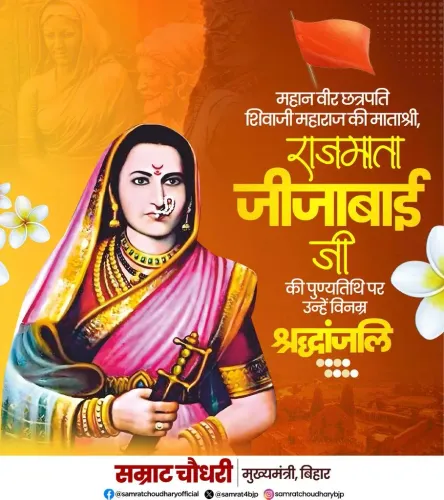
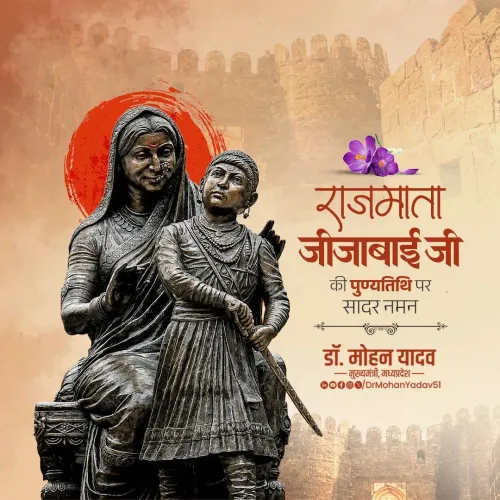
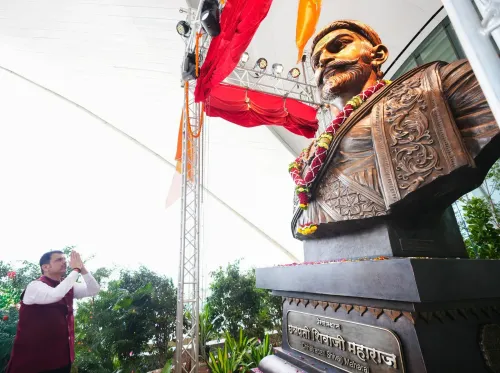
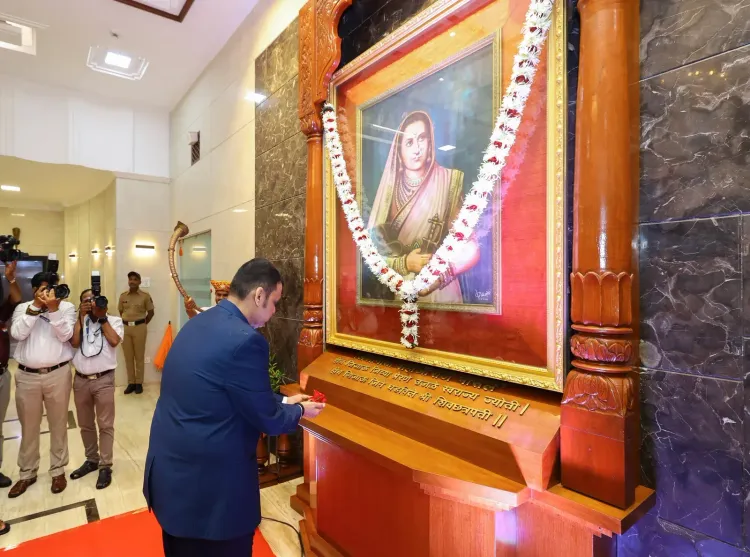
On Independence Day 2026, Maharashtra CM Devendra Fadnavis paid floral tributes to Rajmata Jijau MaSaheb at Mantralaya, Mumbai, honouring the mother of Chhatrapati Shivaji Maharaj as the guiding force behind the Swarajya vision.
Key Takeaways
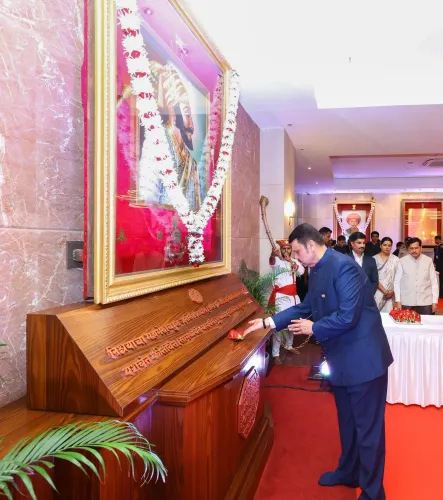
CM Devendra Fadnavis offered floral tributes to Rajmata Jijau MaSaheb at Mantralaya, Mumbai on 15 August 2026 at 9:25 AM .
The tribute was part of Independence Day observances at Maharashtra's state secretariat.
Rajmata Jijabai is historically credited with shaping Chhatrapati Shivaji Maharaj's vision of Swarajya (self-rule).
The Chief Minister's Office announced the tribute in three languages: Marathi, English, and Hindi .
Maharashtra governments routinely honour Maratha-era icons during national day observances to link state identity with India's independence narrative.
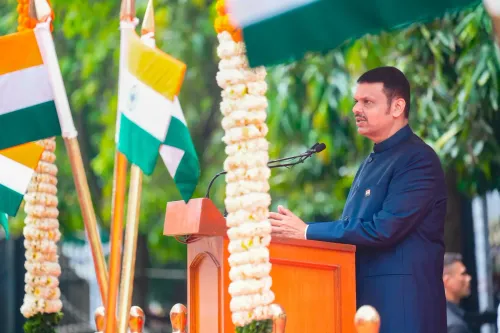
At 9:25 AM on 15 August 2026, as India marked another Independence Day, Maharashtra Chief Minister Devendra Fadnavis stood before the portrait of Rajmata Jijau MaSaheb at Mantralaya, Mumbai and offered floral tributes — a quiet but deliberate act that placed a 17th-century mother at the heart of a 21st-century national celebration.
The Chief Minister's Office of Maharashtra described the moment in three languages — Marathi, English, and Hindi — honouring Rajmata Jijau MaSaheb as the one who 'gave direction to the dream of Swarajya and inspiration to the deeds of Shivaji.' The trilingual tribute itself signals the breadth of the audience this gesture is meant to reach.
The woman behind the warrior king
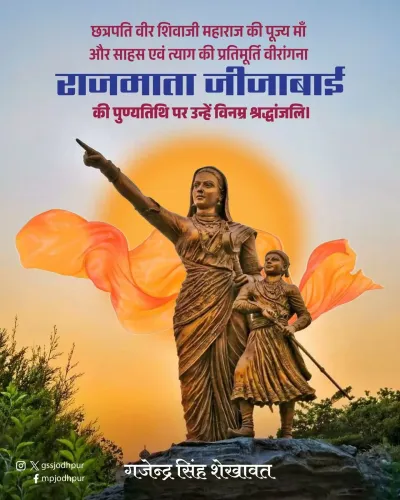
Rajmata Jijabai, mother of Chhatrapati Shivaji Maharaj, is credited in historical accounts with shaping her son's vision of Swarajya — self-rule — long before it became a military and political reality. Her role was not merely maternal; historians regard her as a strategic and moral architect of the Maratha empire's founding ideology. Invoking her on Independence Day draws a direct line between Maratha-era resistance and India's modern freedom.
Mantralaya's annual ritual of remembrance
Maharashtra's state government has long woven tributes to Maratha-era icons into the fabric of national day observances. At Mantralaya — the administrative nerve centre of the state — such ceremonies serve a dual purpose: they honour regional heritage and anchor Maharashtra's distinct identity within the larger national story. The practice recurs annually, but the choice of Rajmata Jijau alongside Independence Day carries particular symbolic weight, framing the Swarajya movement as a precursor to India's own independence struggle.
For CM Fadnavis, the gesture is also a political and cultural statement — one that resonates deeply with Maharashtrian citizens for whom Jijau is not a historical footnote but a living symbol of resilience, sacrifice, and visionary motherhood.
As Maharashtra observes Independence Day, the flowers laid at Rajmata Jijau's portrait are a reminder that the roots of Swarajya run far deeper than 1947.
Point of View
But its trilingual framing — Marathi, Hindi, and English — reflects a deliberate effort to project Maratha heritage beyond regional boundaries. Invoking Jijau's role in the Swarajya movement alongside India's independence narrative is a soft ideological claim: that Maharashtra's resistance tradition was a forerunner of the national freedom struggle. For the ruling dispensation, such gestures reinforce cultural legitimacy with a Maharashtrian electorate for whom Jijau is a deeply venerated figure, far beyond ceremonial politics.
NationPress
30 Sept 2026
Frequently Asked Questions
Who is Rajmata Jijau MaSaheb?
Rajmata Jijabai was the mother of Chhatrapati Shivaji Maharaj and is historically credited with instilling in him the vision of Swarajya, or self-rule, that became the foundation of the Maratha empire.
Why did CM Fadnavis pay tribute to Rajmata Jijau on Independence Day?
CM Devendra Fadnavis offered floral tributes to Rajmata Jijau MaSaheb as part of Independence Day observances at Mantralaya, Mumbai, linking Maharashtra's Swarajya tradition with India's national independence narrative.
Where did the Independence Day tribute to Rajmata Jijau take place?
The tribute took place at Mantralaya, the administrative headquarters of the Maharashtra government in Mumbai, on 15 August 2026 at 9:25 AM.
What is Mantralaya in Mumbai?
Mantralaya is the administrative headquarters of the Maharashtra state government, located in Mumbai, where key official ceremonies and government functions are held.
What does Swarajya mean in the context of Rajmata Jijau?
Swarajya means self-rule or self-governance. Rajmata Jijabai is credited with nurturing this vision in her son Chhatrapati Shivaji Maharaj, who went on to establish the Maratha empire based on this principle.