CM Fadnavis Chairs Pawana Water Pipeline Review Meet
Synopsis
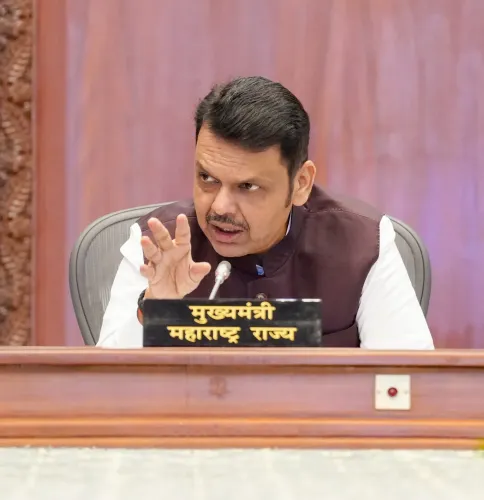
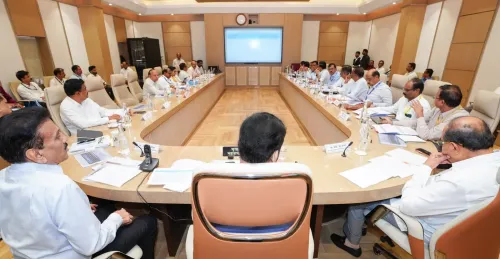
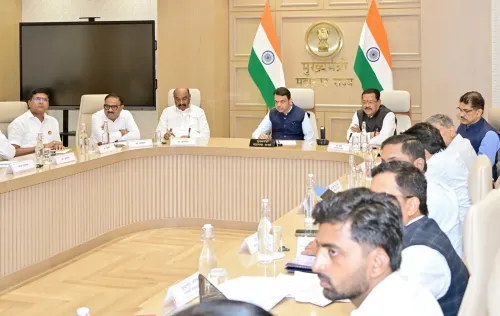
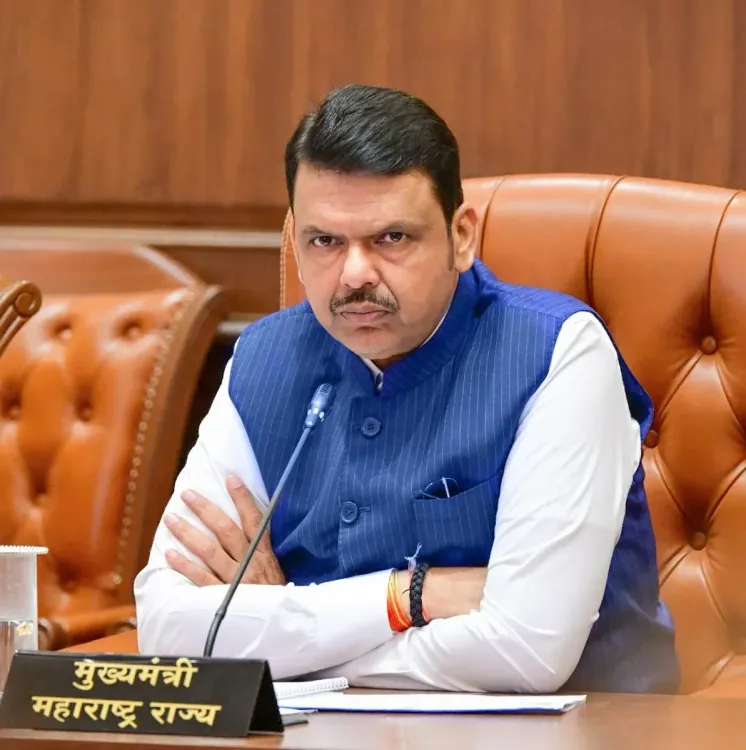
Chief Minister Devendra Fadnavis chaired a review meeting on the Pawana water pipeline project at Vidhan Bhavan, Mumbai, on 3 July 2026. Deputy Speaker Anna Bansode, Minister Radhakrishna Vikhe Patil, MP Shrirang Appa Barne, MLAs and senior officials attended, signalling renewed state focus on Pune's bulk water supply infrastructure.
Key Takeaways
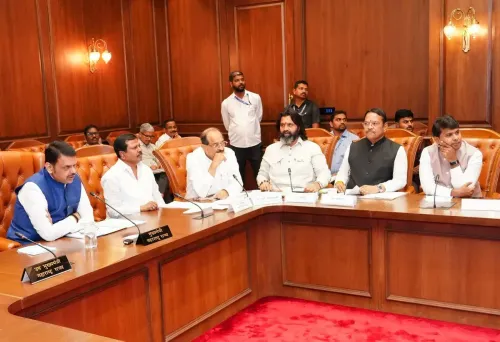
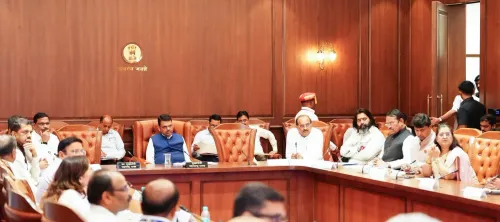
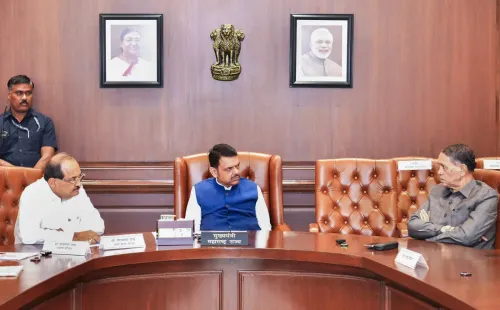
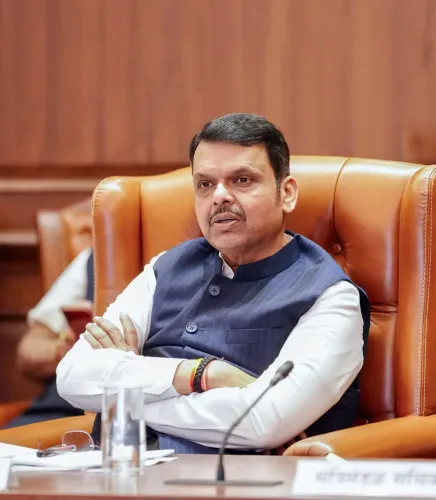
CM Devendra Fadnavis personally chaired the Pawana water pipeline project review on 3 July 2026 at Vidhan Bhavan, Mumbai .
Legislative Assembly Deputy Speaker Anna Bansode , Minister Radhakrishna Vikhe Patil , and MP Shrirang Appa Barne were among those present.
The Pawana pipeline is designed to supply water from the Pavana dam reservoir to Pune and Pimpri-Chinchwad urban areas.
The meeting reflects Maharashtra's long-standing policy of treating bulk water pipeline augmentation as a priority response to urban growth in the Pune-Mumbai corridor .
Next steps are expected to include tender releases or revised cost estimates, with possible budgetary action during the ongoing monsoon session of the Maharashtra assembly.
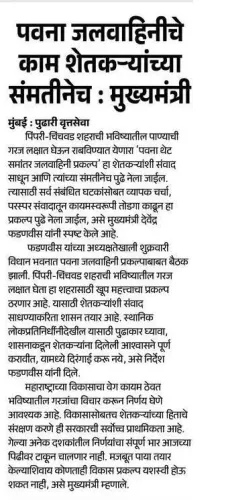
Maharashtra Chief Minister Devendra Fadnavis chaired a high-level coordination meeting on the Pawana water pipeline project at Vidhan Bhavan, Mumbai, on 3 July 2026 at 3:15 pm. The meeting brought together senior legislators and officials to review the project, which is aimed at augmenting water supply to urban centres in the Pune metropolitan region.
Context
The Chief Minister's Office of Maharashtra announced the meeting on X, noting the presence of Legislative Assembly Deputy Speaker Anna Bansode, Minister Radhakrishna Vikhe Patil, Member of Parliament Shrirang Appa Barne, other MLAs, and senior government officials. The post, shared in English, Marathi, and Hindi, identified Vidhan Bhavan as the venue — a setting routinely used for inter-departmental legislative reviews during the ongoing assembly session.
The Pawana pipeline project draws water from the Pavana dam reservoir and is designed to serve rapidly growing urban populations in the Pune-Pimpri-Chinchwad belt. Coordination between elected representatives from the region and technical departments is a standard step before project milestones such as revised cost estimates or tender releases.
Policy Backdrop
Devendra Fadnavis, who has served multiple terms as Chief Minister, has consistently prioritised bulk water infrastructure as part of Maharashtra's urban development agenda. His earlier tenure saw the launch of the Jalyukt Shivar Abhiyan in 2015, a state-wide water conservation initiative targeting drought-prone districts, which established a policy lineage for large-scale water supply interventions.
Successive Maharashtra governments have treated augmentation of bulk water pipelines as a core response to rapid urban growth and monsoon variability along the Pune-Mumbai corridor. The Pawana project fits within this broader pattern of state-led infrastructure investment in the region.
Stakeholders and Impact
The primary beneficiaries of the Pawana water pipeline project are residents of Pune and the Pimpri-Chinchwad Municipal Corporation area — one of India's fastest-growing industrial and residential belts. Reliable bulk water supply is a persistent civic demand in both cities, particularly during lean monsoon years.
Minister Radhakrishna Vikhe Patil, who has previously handled revenue and water-related portfolios in the Maharashtra cabinet, and MP Shrirang Appa Barne, who represents the Maval constituency in the Pune district — an area directly linked to the Pavana dam catchment — were present, signalling the political weight attached to the project's progress.
What's Next
Observers tracking Maharashtra's infrastructure pipeline will watch for the release of tender documents or revised project cost estimates in the coming weeks, as these typically follow such high-level review meetings. Any supplementary financial demands related to the project may also surface during the ongoing monsoon session of the Maharashtra Legislative Assembly.
With the state government convening stakeholders at the level of the Chief Minister's Office, the Pawana pipeline project appears positioned for renewed administrative momentum — a signal that Pune's long-term water security remains a priority on CM Fadnavis's infrastructure agenda.
Point of View
Likely in response to civic pressure from Pune and Pimpri-Chinchwad ahead of the assembly's monsoon session. The presence of MP Shrirang Appa Barne alongside state legislators suggests the BJP is keen to project cross-level governmental coordination on a project with direct electoral salience in the Maval-Pune belt. This meeting fits a well-established Fadnavis pattern of using high-visibility coordination sessions to build momentum for stalled or slow-moving infrastructure projects. The next concrete test will be whether tender documents or budgetary allocations follow within the current session.
NationPress
2 Oct 2026
Frequently Asked Questions
What is the Pawana water pipeline project in Maharashtra?
The Pawana water pipeline project is a state infrastructure initiative to convey water from the Pavana dam reservoir to urban centres in the Pune metropolitan region, including Pimpri-Chinchwad, to meet growing civic water demand.
Why did CM Devendra Fadnavis hold a meeting on the Pawana pipeline project?
CM Devendra Fadnavis chaired the meeting on 3 July 2026 at Vidhan Bhavan to review the progress of the Pawana water pipeline project, bringing together legislators and senior officials for inter-departmental coordination.
Who attended the Pawana pipeline project meeting on 3 July 2026?
The meeting was attended by Legislative Assembly Deputy Speaker Anna Bansode, Minister Radhakrishna Vikhe Patil, MP Shrirang Appa Barne, other MLAs, and senior government officials.
Which areas will benefit from the Pawana water pipeline project?
The primary beneficiaries are residents of Pune and the Pimpri-Chinchwad Municipal Corporation area, which are among Maharashtra's fastest-growing urban and industrial zones.
What are the next steps for the Pawana water pipeline project?
Following the review meeting, the next expected steps include the release of tender documents or revised cost estimates, and possible supplementary budgetary demands during the Maharashtra Legislative Assembly's monsoon session.