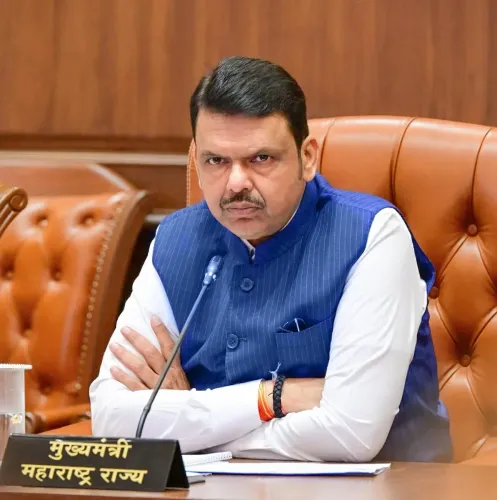
CM Fadnavis chairs Pavana pipeline meet, vows farmer consent
Synopsis
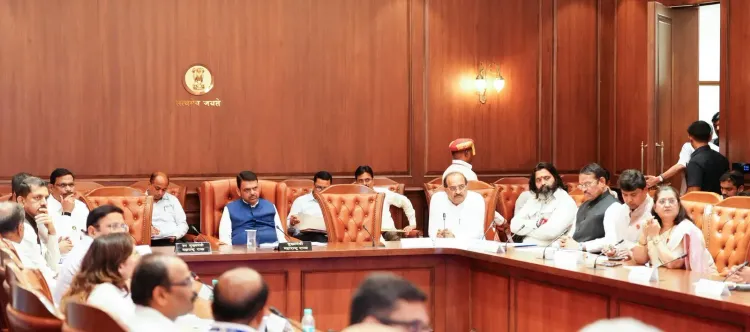
Chief Minister Devendra Fadnavis chaired a meeting at Vidhan Bhavan on 3 July 2026 to discuss the Pavana Direct Parallel Pipeline Project for Pimpri-Chinchwad, pledging farmer consent, a 2050 water master plan for the Pune Metropolitan Region, and mandatory wastewater recycling.
Key Takeaways
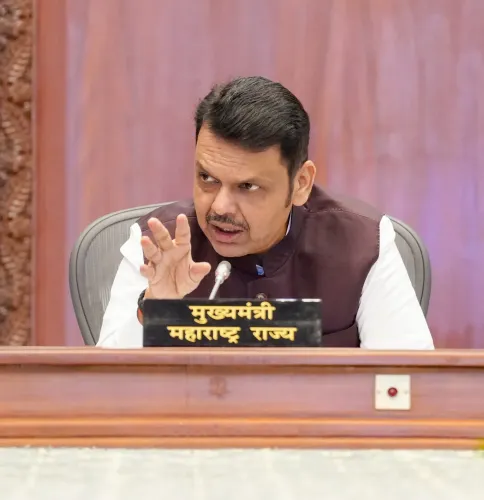
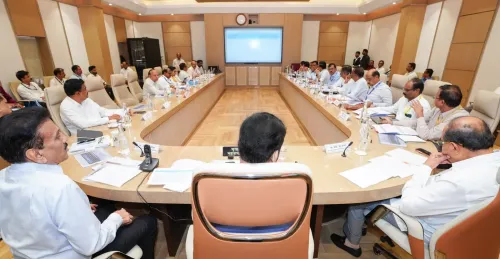
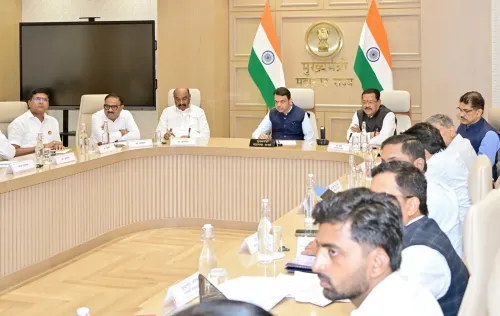
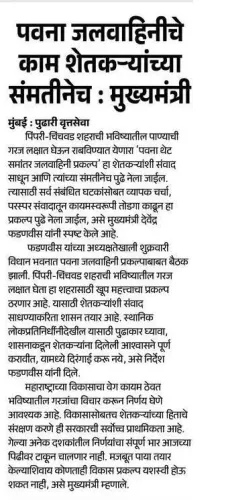
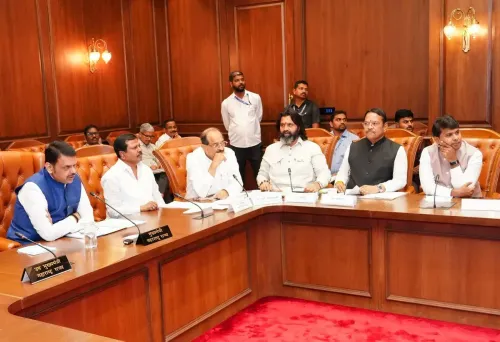
CM Devendra Fadnavis chaired a meeting at Vidhan Bhavan, Mumbai on 3 July 2026 on the Pavana Direct Parallel Pipeline Project for Pimpri-Chinchwad .
The project will connect Pavana Dam to the Sector 23, Nigdi water treatment plant to ensure pollution-free drinking water supply.
Pimpri-Chinchwad currently has a population of about 38 lakh and receives approximately 650 MLD of water daily against a demand of 655 MLD .
CM Fadnavis directed preparation of a long-term water master plan for the Pune Metropolitan Region up to 2050 , including mandatory wastewater recycling for non-drinking uses.
The government pledged to advance the project only through farmer consent, broad consultations, and dialogue with local elected representatives and all political parties.
Deputy Speaker Anna Bansode , Minister Radhakrishna Vikhe Patil , and MP Shrirang Appa Barne were among those present at the meeting.
The Chief Minister's Office of Maharashtra announced on Friday, 3 July 2026 that Chief Minister Devendra Fadnavis chaired a high-level meeting at Vidhan Bhavan, Mumbai on the proposed Pavana Direct Parallel Pipeline Project (Pavana Thet Samantar Jalvahini Prakalp), affirming that the scheme for Pimpri-Chinchwad will move forward only with the consent, trust, and dialogue of local farmers.
Context
The meeting was convened to address growing urgency around water supply for Pimpri-Chinchwad, one of Maharashtra's fastest-growing industrial cities. The city currently has a population of approximately 38 lakh and receives around 650 MLD (million litres per day) of water — sourced from the Pavana river (520 MLD), the Indrayani river (100 MLD), and MIDC (30 MLD). Current demand stands at roughly 655 MLD against an approved water reservation of 776 MLD.
The proposed project will lay a direct pipeline from Pavana Dam to the Sector 23, Nigdi water treatment plant, ensuring pollution-free, reliable delivery of raw water to the purification facility. CM Fadnavis underscored that without planned water management, a serious water crisis could emerge in the future as new settlements continue to expand across the state.
Policy Backdrop
CM Fadnavis directed officials to prepare a coordinated long-term water plan for the Pune Metropolitan Region through 2050, accounting for rising population, urbanisation, and industrialisation. He specifically instructed that treated wastewater be recycled for industrial, commercial, horticultural, and construction use to reduce pressure on drinking water sources.
'Protecting the interests of farmers alongside development is the government's highest priority,' Fadnavis stated, adding that decisions accumulated over decades cannot be left as a burden for the current generation. He directed that local elected representatives take initiative in fulfilling assurances already given to farmers and avoid any delay in the process. Maharashtra has a precedent for consent-based infrastructure delivery, with schemes such as Jalyukt Shivar Abhiyan (2015) embedding stakeholder dialogue into water projects.
Fadnavis also stressed that advancing development projects by winning people's trust — rather than facing opposition — is far more important, calling on all political parties, elected representatives, relevant departments, and local citizens to work in unison.
Stakeholders and Impact
The project is expected to serve Pimpri-Chinchwad's expanding population with safe, uninterrupted drinking water. Farmer communities along the pipeline corridor are central stakeholders; the government has committed to proceeding only after broad consultations involving local farmers, all elected representatives, and the concerned government departments.
Present at the meeting were Legislative Assembly Deputy Speaker Anna Bansode, Minister Radhakrishna Vikhe Patil, Member of Parliament Shrirang Appa Barne, other MLAs, and senior officials. Their presence signals a cross-party, multi-tier effort to build consensus around a project that has previously faced farmer resistance over land and water rights.
What's Next
The immediate next step is the launch of structured consultations with farmers and local representatives, with the government stating it is 'ready for dialogue.' Officials have been directed to prepare an integrated water master plan for the Pune Metropolitan Region up to 2050, including new source planning, efficient use of existing sources, and mandatory wastewater recycling targets.
The pace and outcome of farmer consultations — and any subsequent land acquisition notifications — will determine whether the Pavana Direct Parallel Pipeline Project can move to its next phase without the delays that have historically stalled infrastructure projects in the region. Maharashtra's ability to balance rapid urban growth with agrarian consent will be closely watched as a model for other expanding metro corridors in the state.
Point of View
The government is attempting to pre-empt organised farmer opposition that has previously stalled similar urban water schemes. The 2050 planning horizon and wastewater recycling mandate signal a shift from reactive crisis management to proactive urban water governance, aligning Maharashtra with global best practices for rapidly urbanising metros. Whether the consent-first approach translates into a binding process or remains aspirational will be the real test of this policy stance.
NationPress
2 Oct 2026
Frequently Asked Questions
What is the Pavana Direct Parallel Pipeline Project?
The Pavana Direct Parallel Pipeline Project is a proposed scheme to lay a dedicated pipeline from Pavana Dam to the Sector 23, Nigdi water treatment plant in Pimpri-Chinchwad, delivering raw water in a pollution-free and reliable manner to meet the city's growing drinking water needs.
Why is Pimpri-Chinchwad facing a water shortage?
Pimpri-Chinchwad's population of around 38 lakh is growing rapidly due to urbanisation and industrialisation. Current daily supply of about 650 MLD is close to existing demand of 655 MLD, and approved reservations are projected to fall short as the population rises further in coming decades.
What did CM Devendra Fadnavis say about farmers in the Pavana project meeting?
CM Fadnavis stated that the project will proceed only with the consent, trust, and dialogue of local farmers, and that their sentiments and opinions will be fully respected before any decisions are taken. He also directed local elected representatives to fulfil assurances already given to farmers without delay.
What is the long-term water plan for the Pune Metropolitan Region?
CM Fadnavis directed officials to prepare an integrated water master plan for the Pune Metropolitan Region up to 2050, covering new source planning, efficient use of existing sources, and expansion of treated wastewater recycling for non-drinking uses such as industry, construction, and horticulture.
Who attended the Pavana pipeline project meeting at Vidhan Bhavan?
The meeting chaired by CM Devendra Fadnavis was attended by Legislative Assembly Deputy Speaker Anna Bansode, Minister Radhakrishna Vikhe Patil, MP Shrirang Appa Barne, other MLAs, and senior government officials.