CM Fadnavis: ToD Meter Policy Designed for Common Consumers
Synopsis
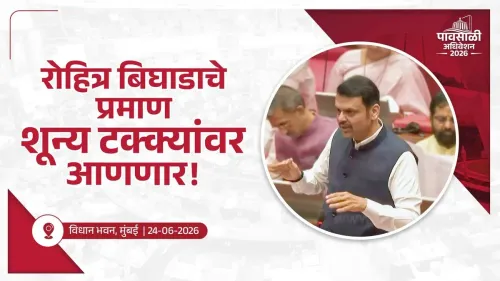
Maharashtra Chief Minister Devendra Fadnavis told the Legislative Council on 24 June 2026 that state decisions on Time of the Day electricity meters have been made with common consumers in mind, signalling a consumer-first approach to the contentious smart-metering reform.
Key Takeaways
CM Devendra Fadnavis addressed the Maharashtra Legislative Council on 24 June 2026 during the Monsoon Session.
He stated that the state government's stance on Time of the Day (ToD) meters is guided by the interests of common consumers.
ToD metering applies variable electricity tariffs by hour of consumption to manage peak grid demand.
The Union government's Revamped Distribution Sector Scheme (RDSS) of 2021 mandated smart meter rollout with ToD functionality across states.
The Maharashtra Electricity Regulatory Commission (MERC) is expected to issue detailed orders on tariff slabs and phased rollout timelines.
Consumer groups have raised concerns about higher bills for households with limited flexibility to shift usage to off-peak hours.
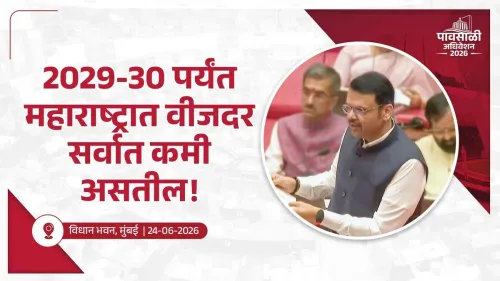
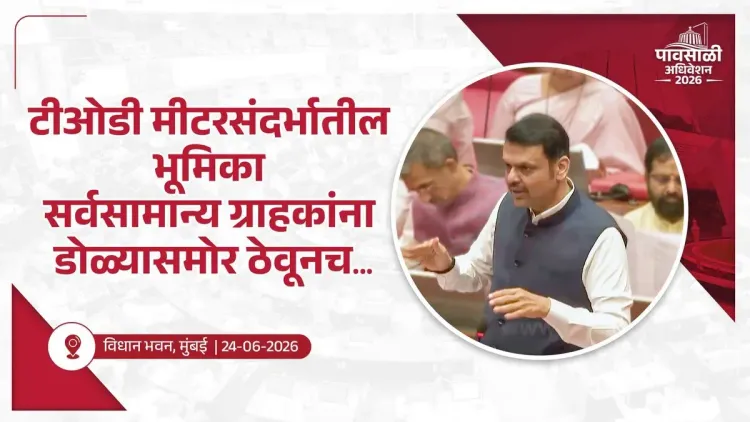
Maharashtra Chief Minister Devendra Fadnavis on Wednesday, 24 June 2026, told the Maharashtra Legislative Council in Mumbai that the state government's decisions on the Time of the Day (ToD) meter have been taken with the interests of ordinary consumers at the centre.
Speaking during the Monsoon Session 2026, Fadnavis stated in both English and Marathi: 'राज्य सरकारने टीओडी मीटरसंदर्भातील भूमिका सर्वसामान्य ग्राहकांना डोळ्यासमोर ठेवून घेतली आहे' — 'The state government has taken its position on ToD meters keeping common consumers in mind.'
Context
The Time of the Day (ToD) metering system applies variable electricity tariffs depending on the hour of consumption, typically charging higher rates during peak demand hours and lower rates during off-peak periods. The system is designed to reduce strain on the grid by incentivising consumers to shift discretionary usage to non-peak windows.
The subject has been a point of contention in several Indian states, with consumer groups raising concerns about higher bills during peak hours for households that have limited flexibility in shifting their usage patterns — such as those dependent on daytime cooking or cooling.
Policy Backdrop
The Union government's Revamped Distribution Sector Scheme (RDSS), launched in 2021, promoted the rollout of smart meters with ToD functionality across states as part of a broader push for power-sector modernisation and demand-side management. States were expected to align their distribution companies and tariff frameworks with this mandate.
Maharashtra, as one of India's largest power-consuming states, has been navigating the balance between complying with central directives and addressing the concerns of its large residential consumer base. The Maharashtra Electricity Regulatory Commission (MERC) is the statutory body responsible for setting tariff slabs and issuing orders on the phased rollout of ToD billing for different consumer categories.
Stakeholders and Impact
The primary stakeholders in this debate are residential and small commercial consumers, who fear increased electricity costs if peak-hour tariffs are applied without adequate awareness or flexibility. Power distribution companies (discoms), on the other hand, stand to benefit from better load management and reduced infrastructure stress during peak periods.
Consumer advocacy groups have previously argued that ToD metering, while efficient in theory, can disproportionately burden lower-income households who cannot reschedule essential activities. Fadnavis's statement signals that the government is conscious of this concern and is calibrating its policy stance accordingly.
The Monsoon Session of the legislature is a key window for such policy clarifications, as elected representatives from across Maharashtra raise constituency-level grievances about electricity pricing and meter deployment.
What's Next
Attention will now turn to MERC and whether it issues revised orders detailing the specific ToD tariff slabs, exemptions for certain consumer categories, and a phased schedule for rolling out smart meters to residential users. Any consumer-friendly carve-outs — such as exempting low-consumption households or providing a longer transition window — would be consistent with the tone of Fadnavis's statement in the Council.
The broader trajectory of Maharashtra's power sector reforms in the coming months will indicate how the state reconciles its obligations under the RDSS framework with its stated commitment to protecting ordinary consumers from tariff volatility.
Point of View
The government is pre-empting opposition criticism during a session where electricity pricing is a live grievance. The framing reflects a wider pattern among state governments caught between central smart-meter mandates and voter sensitivity to rising utility bills. Whether the rhetoric translates into concrete MERC-level protections — such as exemptions for low-consumption households — will determine the policy's real-world credibility. The statement also positions the BJP-led government ahead of any tariff revision cycle, giving it a pro-consumer narrative to defend in future electoral discourse.
NationPress
22 Sept 2026
Frequently Asked Questions
What is the Time of the Day (ToD) meter in Maharashtra?
A Time of the Day (ToD) meter is a smart electricity meter that charges variable tariffs depending on the hour of consumption — higher rates during peak demand periods and lower rates during off-peak hours — to help manage grid load.
What did CM Fadnavis say about ToD meters in the Legislative Council?
On 24 June 2026, CM Devendra Fadnavis told the Maharashtra Legislative Council that the state government's decisions on ToD meters have been taken keeping the interests of common consumers in mind.
Will ToD meters increase electricity bills in Maharashtra?
Consumer groups have raised concerns that peak-hour tariffs under ToD metering could raise bills for households unable to shift usage, but CM Fadnavis's statement suggests the government intends to adopt a consumer-protective approach in its policy.
What is the RDSS and how does it relate to ToD meters?
The Revamped Distribution Sector Scheme (RDSS), launched by the Union government in 2021, promotes smart meter rollout with ToD functionality across Indian states as part of power-sector modernisation and demand management reforms.
What happens next with ToD meter policy in Maharashtra?
The Maharashtra Electricity Regulatory Commission (MERC) is expected to issue orders specifying ToD tariff slabs, consumer category exemptions, and a phased schedule for smart meter deployment in the state.