Captain Smit Machchhar: The flydubai hero and the courage vs noise debate
Synopsis
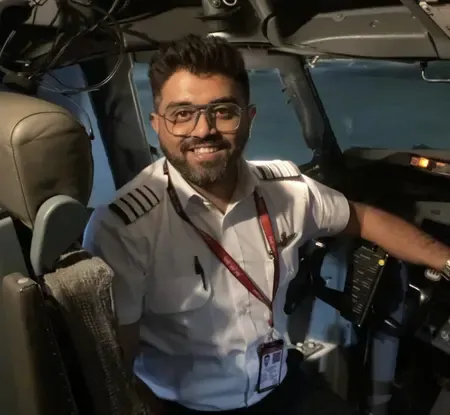
A UAE terrorism probe confirmed that flydubai co-pilot Hamam Al-Hammami attacked Indian Captain Smit Machchhar with a crash axe mid-flight, trying to seize a plane carrying 170+ people. Machchhar, injured but undeterred, opened the cockpit door and let passengers overpower the attacker. Now, a viral 'mosquito vs cockroach' meme is turning his heroism into a mirror held up to political silence — and the contrast is proving difficult to ignore.
Key Takeaways
UAE authorities have described the incident aboard a Dubai-Tel Aviv flydubai flight as a terrorist attack , with co-pilot Hamam Al-Hammami attacking Captain Machchhar with the cockpit's crash axe.
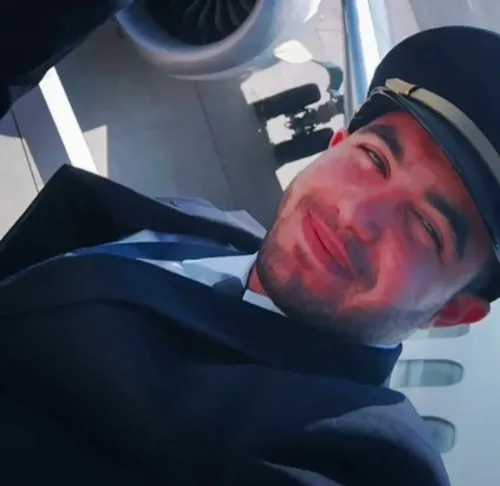
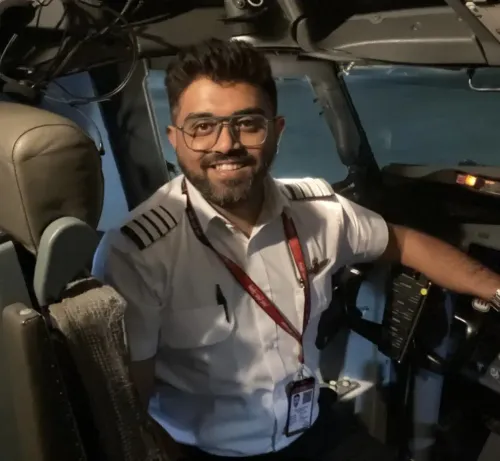
Captain Smit Machchhar , despite being injured, opened the cockpit door, enabling passengers to overpower the attacker and potentially saving over 170 lives .
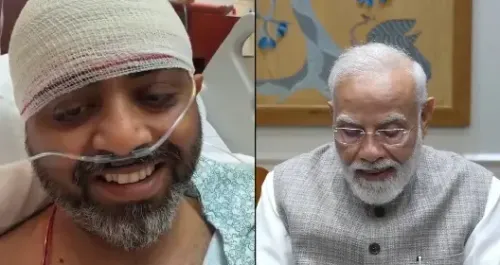
PM Narendra Modi personally called Captain Machchhar and said the incident, had it ended differently, could have severely damaged the global perception of Indian pilots .
Neither Rahul Gandhi , Priyanka Gandhi Vadra , nor Abhijeet Dipke of the Cockroach Janta Party (CJP) have publicly praised Captain Machchhar, drawing criticism on social media.
The UAE investigation into the attacker's background and possible links is ongoing.
A viral social media debate is drawing a sharp contrast between the heroism of flydubai pilot Captain Smit Machchhar and the perceived political silence of certain public figures and activist groups — most notably the Cockroach Janta Party (CJP) led by Abhijeet Dipke — in the days following the dramatic mid-air terror incident aboard a Dubai-Tel Aviv flydubai flight.
What Captain Machchhar Did
According to a United Arab Emirates probe, co-pilot Hamam Al-Hammami attacked Indian pilot Captain Smit Machchhar with the cockpit's crash axe in what UAE authorities have formally described as a 'terrorist attack'. Al-Hammami reportedly attempted to seize control of the aircraft, which was carrying over 170 people.
Despite sustaining injuries from the assault, Captain Machchhar managed to open the cockpit door, enabling passengers to intervene and overpower the attacker. The investigation is ongoing, and authorities are expected to release further details about Al-Hammami's background and possible motive.
PM Modi's Tribute to the Pilot
Prime Minister Narendra Modi personally called Captain Machchhar and acknowledged the broader significance of his act. 'Had this not happened, who knows what India would have had to face, what all Indian pilots would have had to endure, and how Indian pilots would have been viewed. You have saved everyone. You have done a very big thing,' Modi told Machchhar during the video phone call.
The Prime Minister's remarks were widely seen as a tribute not just to the pilot, but also as a pointed reminder about the importance of protecting the reputation of Indian institutions and professionals.
Political Silence and the CJP Controversy
The viral 'Machchhar versus cockroach' meme — playing on the Hindi word for mosquito — has sparked a wider commentary about who speaks up and who stays silent. Critics note that Rahul Gandhi and Priyanka Gandhi Vadra have not publicly praised Captain Machchhar. The silence has drawn criticism and is being interpreted by some observers as reflecting selective political engagement.
Similarly, Abhijeet Dipke and his Cockroach Janta Party (CJP) — which built its activist profile almost entirely through social media — have so far not commented on Captain Machchhar's bravery, even as the same social media ecosystem they operate in is celebrating his feat. Critics argue that the CJP's silence on the pilot's heroism is consistent with a pattern of raising only issues that align with its political agenda, pointing to its earlier absence from the Jharkhand students' stir and questions about its approach to student unrest in Punjab, Karnataka, and Kerala.
Context: Operation Sindoor and Institutional Credibility
The piece draws a broader thread from recent events. When Operation Sindoor unfolded, US President Donald Trump was among those who claimed credit for the subsequent ceasefire. Separately, Rahul Gandhi had questioned the number of Indian fighter jets allegedly downed by Pakistan — a remark that had already attracted controversy. These episodes, the commentary argues, form a pattern of questioning Indian institutions and systems at critical moments.
Notably, this is an opinion column and the political critiques it contains represent the author's perspective rather than independently verified claims.
A Symbol for a Generation
For a generation that consumes public life largely through smartphones, the juxtaposition has resonated beyond a social media punchline. Captain Machchhar acted without political calculation, under extreme physical threat, to save over 170 lives. Whatever the ongoing investigation reveals about Al-Hammami's motives or background, that core fact remains unchanged.
As the UAE probe continues and more details are expected to emerge, Captain Smit Machchhar's actions have already secured his place as one of the most striking examples of individual courage in recent Indian aviation history.
Point of View
And its political critiques must be read as such — but the core observation it surfaces is worth examining independently. Captain Machchhar's story has become a Rorschach test for how public figures respond to national moments that don't fit a partisan script. The CJP's and the Congress leadership's silence is being noticed on the very platforms they built their movements on, which suggests a credibility cost is accruing in real time. Whether that cost registers as electoral or reputational fallout is the more interesting question — and one mainstream political coverage has largely skipped past.
NationPress
4 Oct 2026
Frequently Asked Questions
Who is Captain Smit Machchhar and what did he do?
Captain Smit Machchhar is an Indian pilot who was flying a flydubai aircraft on the Dubai-Tel Aviv route when co-pilot Hamam Al-Hammami attacked him with the cockpit's crash axe in what UAE authorities have called a terrorist attack. Despite being injured, Machchhar opened the cockpit door, allowing passengers to overpower the attacker and preventing a potential disaster involving over 170 people on board.
What did PM Modi say to Captain Machchhar?
Prime Minister Narendra Modi called Captain Machchhar in a video phone call and said: 'Had this not happened, who knows what India would have had to face, what all Indian pilots would have had to endure, and how Indian pilots would have been viewed. You have saved everyone. You have done a very big thing.' Modi credited the pilot with protecting the reputation of Indian aviation.
What is the 'Machchhar vs cockroach' meme about?
The viral meme draws a contrast between Captain Smit Machchhar's selfless bravery in saving 170+ lives and the Cockroach Janta Party (CJP) led by Abhijeet Dipke, which built its profile through social media activism but has remained silent on the pilot's heroism. The meme is widely seen as a commentary on authentic courage versus performative politics.
Why has the silence of Rahul Gandhi and the CJP drawn criticism?
Critics note that neither Rahul Gandhi, Priyanka Gandhi Vadra, nor Abhijeet Dipke of the CJP have publicly praised Captain Machchhar, even as the story went viral nationally. Some observers argue this reflects selective political engagement, pointing to past instances where these figures have highlighted causes that serve their political interests while staying quiet on others.
What is the current status of the UAE investigation into the flydubai attack?
The UAE investigation into co-pilot Hamam Al-Hammami is ongoing. Authorities have confirmed the incident was a terrorist attack, but further details about Al-Hammami's background, motive, and any possible links are expected to emerge as the probe continues.