Ram Temple donation theft and NEET leak: When custodians betray trust
Synopsis
Two incidents — alleged donation theft at the Ram Temple in Ayodhya and the NEET paper leak — have exposed a single, corrosive truth: those appointed to protect India's most trusted institutions allegedly chose to exploit them. The crimes are different in setting but identical in structure, and the damage they inflict on public trust may outlast any court verdict.
Key Takeaways
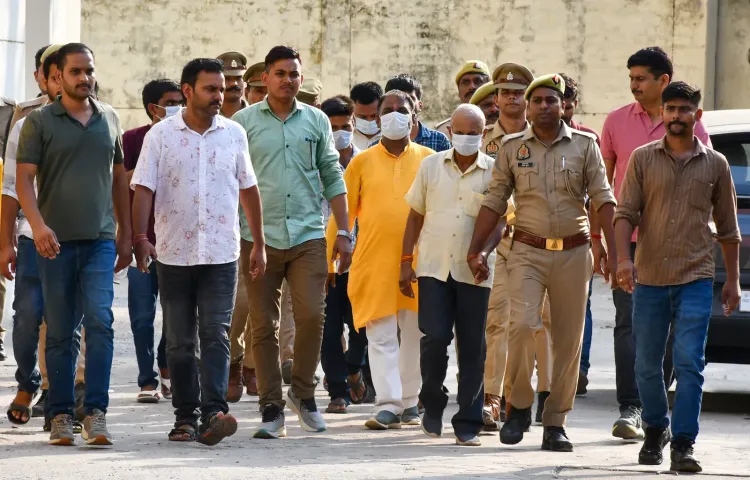
Eight people associated with counting donations at the Ram Temple, Ayodhya have been arrested after CCTV footage allegedly showed them removing currency notes during counting.
The Shri Ram Janmabhoomi Teerth Kshetra Trust receives donations worth hundreds of crores annually; the temple sees 70,000–80,000 devotees daily.
An SIT has submitted preliminary findings and an FIR has been registered; the investigation is ongoing.
The NEET paper leak involved teachers, paper setters and others linked to the National Testing Agency (NTA) , allegedly running exclusive coaching sessions after leaking question papers.
Both incidents reflect a broader crisis of institutional trust — custodians of public systems allegedly exploiting the very responsibilities placed in their hands.
Despite the arrests, devotee footfall at Ayodhya has continued unabated, with thousands queuing daily for darshan of Ram Lalla .
The alleged theft of devotee donations at the Ram Temple in Ayodhya — carried out, according to investigators, by the very people entrusted with counting and safeguarding them — has sent a wave of disbelief across the country. For crores of Indians, the first reaction was not outrage but incomprehension: how could they do it?
A Betrayal Unlike Ordinary Crime
People steal from homes, shops, banks and businesses. Such crimes, however regrettable, have long featured in everyday headlines. But the alleged pilfering of offerings made by devotees at one of India's most sacred sites is categorically different. It crosses a line that most Indians never imagined could be crossed.
Over the past two months, two separate incidents have shaken public confidence to an unusual degree — the donation theft at the Ram Temple and the NEET paper leak. On the surface, the two cases share nothing: one concerns a place of worship, the other a national entrance examination. Yet both expose the same disturbing pattern — those appointed to protect the system allegedly chose to exploit it instead.
What Happened at the Ram Temple
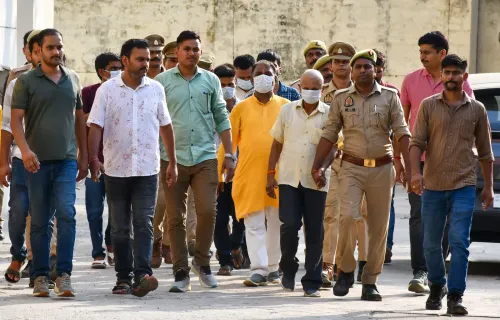
Eight people associated with counting donations at the Ram Temple have been arrested after CCTV footage purportedly showed them removing wads of currency notes during the counting process. The Special Investigation Team (SIT) submitted its preliminary findings, and a First Information Report (FIR) has been registered. The investigation remains ongoing, and individual guilt will ultimately be determined by the courts.
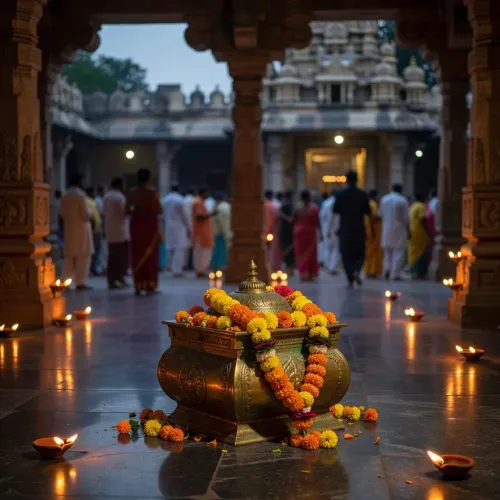
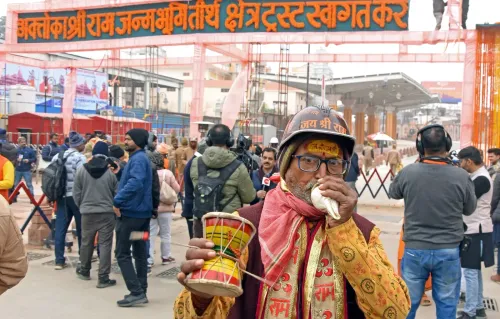
The Shri Ram Janmabhoomi Teerth Kshetra Trust receives donations worth hundreds of crores every year. The temple draws an average daily footfall of 70,000 to 80,000 devotees, with numbers swelling on weekends and during festivals. For the vast majority of those visitors, the act of making an offering — whether a few rupees, jewellery, or clothing — is an act of faith, not a financial transaction. The assumption that their offering would be handled with integrity was, for most, never in question.
The NEET Paper Leak: Merit Betrayed
The parallel wound runs through India's examination system. Lakhs of students invest years of preparation, and families pour their savings into coaching and study materials, all on the belief that merit alone decides the outcome of the National Eligibility cum Entrance Test (NEET). That belief was shattered when allegations emerged that teachers, paper setters and others associated with the National Testing Agency (NTA) leaked final question papers and conducted exclusive coaching sessions for select candidates.
The damage extends well beyond the students who were directly disadvantaged. Public confidence in the examination framework itself has been eroded, raising uncomfortable questions about the integrity of institutions that millions of families depend upon each year.
The Deeper Cost: Collapse of Institutional Trust
Society has well-established mechanisms to deal with crime — laws, courts, investigative agencies and prisons. What is far harder to repair is the collapse of trust. Every institution, whether a temple, a school, an examination body or a court, functions because those who use it believe that those running it will act with integrity. The moment custodians themselves begin violating that trust, the damage radiates outward in ways that no legal verdict can fully address.
A temple and an examination hall are built on different foundations — one on faith, the other on merit — but both are ultimately sustained by trust. When a teacher leaks a question paper, it is not merely an academic offence. When a person entrusted with counting temple offerings pockets them, it is not merely theft. In both cases, the alleged offender occupied a position that society expected to be above temptation. That expectation is precisely what makes the alleged wrongdoing so disturbing.
Faith Endures, Questions Remain
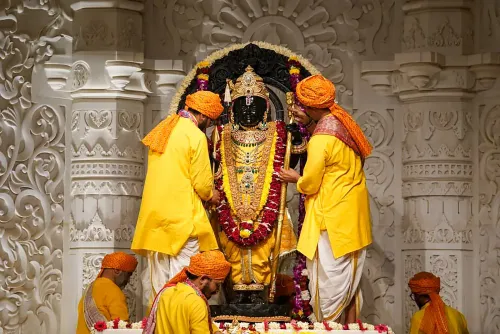
Despite the arrests and the public shock, the stream of devotees heading to Ayodhya has not thinned. Every day, thousands continue to stand in long queues for the darshan of Ram Lalla, folding their hands and making their offerings. Their faith in Lord Ram remains, by all visible accounts, untouched.
Temples, as history attests, are sustained not by cash in donation boxes but by the devotion of those who walk through their doors. That devotion has survived wars, invasions and protracted legal disputes over centuries. It is likely to survive this, too. The criminal justice system will take its course, and those found guilty will face the law. But for countless devotees, one question may never find a satisfactory answer: how could they do it?
Point of View
The wrongdoing was only possible because society extended unconditional trust. That is the real scandal. India's institutional resilience has long depended on the assumption that those closest to sacred responsibilities — whether religious or meritocratic — are self-policing. These two incidents, coming within weeks of each other, suggest that assumption needs a harder look. Faith in Lord Ram may be indestructible. Faith in the systems built around that faith is considerably more fragile, and considerably harder to rebuild once broken.
NationPress
28 Jun 2026
Frequently Asked Questions
What happened at the Ram Temple in Ayodhya regarding donation theft?
Eight people associated with counting donations at the Ram Temple in Ayodhya were arrested after CCTV footage allegedly showed them removing wads of currency notes during the counting process. The Special Investigation Team (SIT) submitted preliminary findings and an FIR has been registered; the investigation is ongoing and guilt will be determined by the courts.
How much does the Ram Temple receive in donations annually?
The Shri Ram Janmabhoomi Teerth Kshetra Trust reportedly receives donations worth hundreds of crores every year. The temple attracts an average daily footfall of 70,000 to 80,000 devotees, with numbers rising sharply on weekends and during festivals.
What is the connection between the Ram Temple theft and the NEET paper leak?
Though the two incidents are unrelated in setting, both allegedly involve custodians of trusted institutions exploiting their positions — temple donation counters in one case, and teachers and paper setters linked to the National Testing Agency (NTA) in the other. Critics argue both reflect a deeper crisis of institutional integrity in India.
Who was allegedly involved in the NEET paper leak?
Allegations point to teachers, paper setters and others associated with the National Testing Agency (NTA), who reportedly leaked final question papers and ran exclusive coaching sessions for select candidates. The case has damaged public confidence in India's national examination framework.
Has devotee footfall at Ayodhya dropped following the donation theft arrests?
No. Despite the arrests and public shock, thousands of devotees continue to visit the Ram Temple in Ayodhya daily, queuing for darshan of Ram Lalla and making offerings. Observers note that faith in Lord Ram appears untouched, even as trust in the administrative apparatus around the temple has been shaken.