CM Conrad Sangma Thanks PM Modi for Spotlighting Meghalaya's Living Root Bridges
Synopsis
Meghalaya CM Conrad Sangma publicly thanked PM Modi after Mann Ki Baat spotlighted the state's iconic Jingkieng Jri living root bridges, grown over decades by Khasi and Jaintia communities. Sangma linked the national recognition to Meghalaya's active UNESCO World Heritage nomination bid.
Key Takeaways
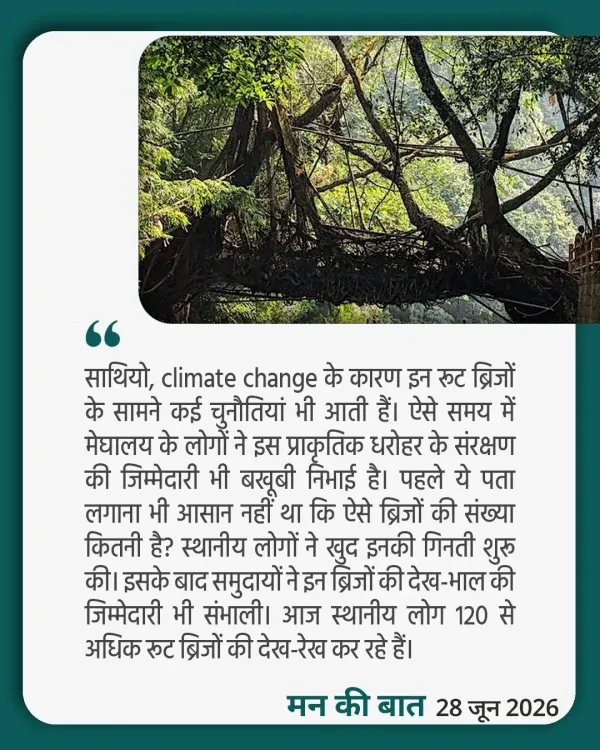
Meghalaya CM Conrad Sangma publicly thanked PM Narendra Modi on 28 June 2026 after Mann Ki Baat featured the state's living root bridges.
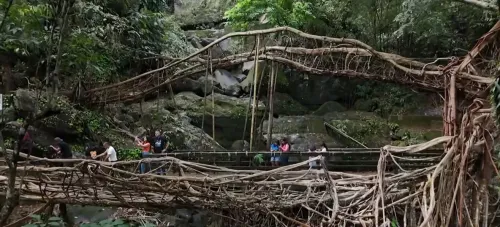
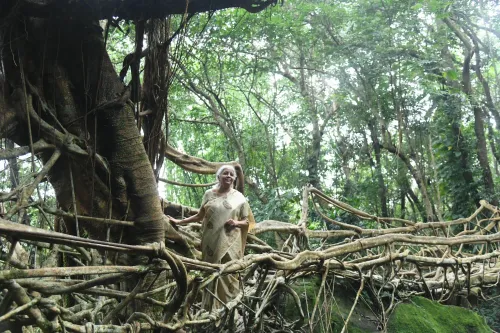
The bridges, called Jingkieng Jri , are grown over decades by the Khasi and Jaintia communities using aerial roots of the Ficus elastica tree.
Meghalaya is actively pursuing a UNESCO World Heritage nomination for the living root bridges, a bid Sangma linked directly to the PM's endorsement.
Some living root bridges in Meghalaya are believed to be more than 500 years old , representing one of the world's most distinctive examples of bio-engineering.
Mann Ki Baat , broadcast monthly by PM Modi, gave the bridges national visibility that is expected to support the UNESCO campaign.
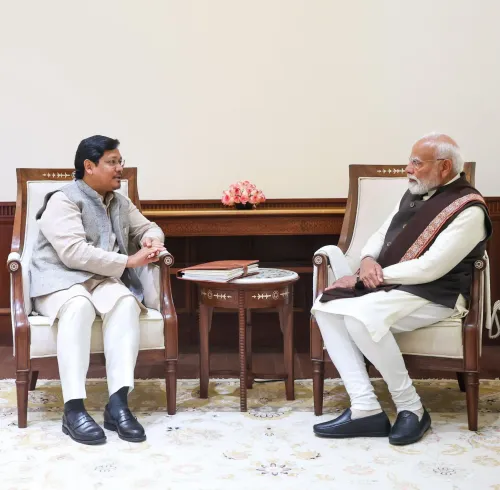
Meghalaya Chief Minister Conrad Sangma on Sunday, 28 June 2026, expressed deep gratitude to Prime Minister Narendra Modi after the PM highlighted the state's iconic living root bridges — known as Jingkieng Jri — during his monthly radio programme Mann Ki Baat. Sangma called the bridges 'a gift from one generation to the next' and said the PM's words honour the faith of the Khasi and Jaintia communities in living in harmony with nature.
Context
The Jingkieng Jri, or living root bridges, are a centuries-old tradition unique to the Khasi and Jaintia Hills of Meghalaya. Craftsmen from these indigenous communities train the aerial roots of the Ficus elastica — the Indian rubber tree — across riverbanks over decades, allowing them to grow into sturdy, self-strengthening bridges that can support the weight of dozens of people. Some of the oldest examples are believed to be more than 500 years old. PM Modi's Mann Ki Baat, broadcast on the last Sunday of each month, regularly spotlights cultural heritage, grassroots innovation, and community achievements from across India, giving them national visibility.
Policy Backdrop
Meghalaya has been actively pursuing UNESCO World Heritage recognition for the living root bridges. The nomination, if successful, would place the Jingkieng Jri among the world's most protected and celebrated cultural and natural landmarks, opening pathways for increased conservation funding, regulated tourism, and global academic attention. CM Sangma in his post explicitly referenced this ongoing UNESCO bid, stating: 'As we take this heritage forward to UNESCO, the whole of Meghalaya stands proud.' The PM's national-level endorsement through Mann Ki Baat is expected to lend political and public momentum to that effort.
Stakeholders and Impact
The Khasi and Jaintia communities are the primary custodians of the living root bridge tradition, with knowledge of the craft passed down through generations within families and villages in the East Khasi Hills and Jaintia Hills districts. A successful UNESCO listing would directly benefit these communities through heritage tourism, livelihood support, and formal recognition of their ecological knowledge. It would also strengthen Meghalaya's positioning as a destination for sustainable and eco-cultural tourism, aligning with broader national goals around responsible tourism and environmental conservation.
What's Next
The Meghalaya government is expected to continue its documentation and advocacy work in support of the UNESCO nomination process, which involves detailed dossiers on the cultural, historical, and ecological significance of the bridges. PM Modi's mention in Mann Ki Baat may accelerate central government support for the bid. With national attention now firmly on the Jingkieng Jri, conservation advocates and community leaders will be watching closely to see whether this visibility translates into concrete policy and funding commitments for the preservation of this irreplaceable living heritage.
Point of View
Lending the Centre's cultural imprimatur to a state-level UNESCO bid that has long needed national momentum. For CM Sangma, a leader of a regional party navigating coalition politics at the national level, the public expression of gratitude serves both as diplomatic courtesy and as a platform to elevate Meghalaya's heritage cause before a pan-India audience. The episode fits a broader pattern of the Centre using Mann Ki Baat to amplify Northeast India's cultural identity — a soft-power strategy that runs parallel to infrastructure and connectivity investments in the region. Whether this visibility converts into formal central backing for the UNESCO nomination will be the real measure of its impact.
NationPress
27 Sept 2026
Frequently Asked Questions
What are Meghalaya's living root bridges?
Meghalaya's living root bridges, known as Jingkieng Jri, are natural bridges formed by training the aerial roots of the Ficus elastica tree across rivers over several decades. They are a centuries-old tradition of the Khasi and Jaintia communities of Meghalaya and can last for hundreds of years.
Why did PM Modi mention living root bridges on Mann Ki Baat?
PM Narendra Modi highlighted Meghalaya's living root bridges during his monthly Mann Ki Baat radio programme to spotlight India's indigenous cultural and ecological heritage. The programme regularly features grassroots achievements and community traditions from across the country.
Is Meghalaya's living root bridge nominated for UNESCO World Heritage status?
Yes, Meghalaya has been pursuing UNESCO World Heritage recognition for its living root bridges. CM Conrad Sangma referenced this ongoing bid in his post, expressing hope that PM Modi's national spotlight will help advance the nomination.
What is Mann Ki Baat?
Mann Ki Baat is a monthly radio programme hosted by Prime Minister Narendra Modi, broadcast on the last Sunday of each month. It features stories of community achievement, cultural heritage, and grassroots innovation from across India.
Who are the Khasi and Jaintia communities?
The Khasi and Jaintia are indigenous tribal communities of Meghalaya in northeastern India. They are the traditional custodians of the living root bridge craft, passing down the knowledge of growing and maintaining these natural structures across generations.