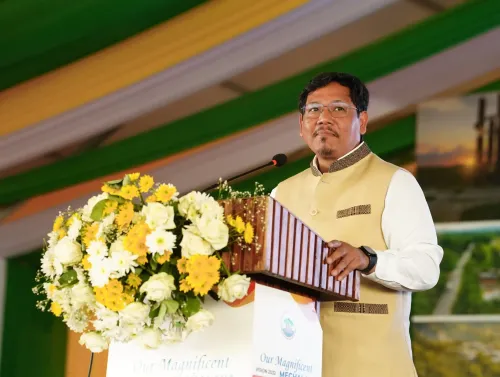
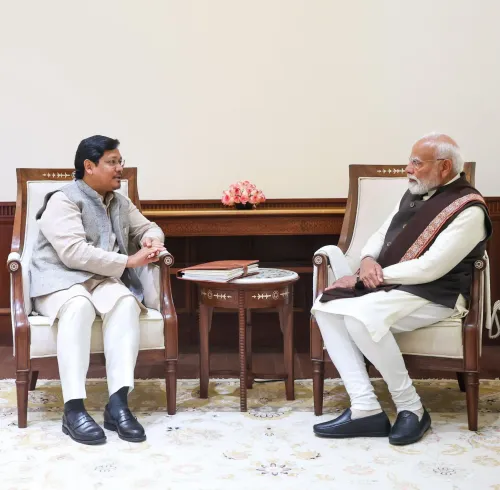
CM Conrad Sangma Reviews 'Tracing the Roots' Heritage Drive
Synopsis
Meghalaya Chief Minister Conrad Sangma reviewed 'Tracing the Roots', a state initiative combining oral traditions, Indigenous Knowledge Systems, and modern scientific methods to document the state's indigenous heritage and build digital archives for future generations.
Key Takeaways
Conrad Sangma reviewed the progress of 'Tracing the Roots' on August 7, 2026 , confirming the initiative is actively underway.
The project documents Meghalaya's indigenous history, languages, cultures, and heritage through multidisciplinary research.
Methods include oral traditions, Indigenous Knowledge Systems, and modern scientific tools — all feeding into digital archives.
Meghalaya's predominantly tribal population is governed under the Sixth Schedule , giving cultural documentation added legal and governance significance.
The initiative fits a broader pattern of heritage preservation efforts across northeastern India amid rapid social change.
Release of initial research outputs and operational digital archives will be the key milestones to watch.
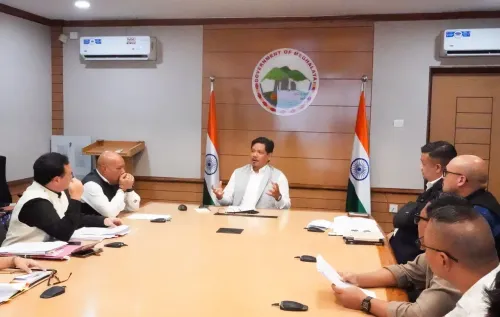
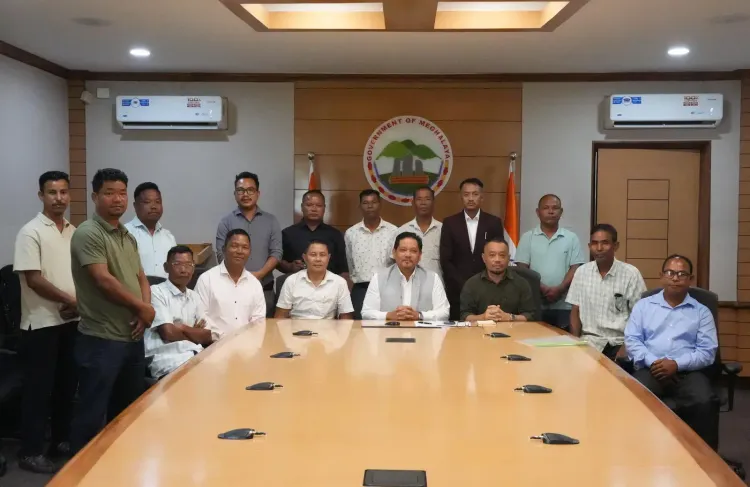
Meghalaya Chief Minister Conrad Sangma on Friday, August 7, 2026, reviewed the progress of 'Tracing the Roots' — a state-led initiative to document the indigenous history, languages, cultures, and heritage of one of India's most ethnically diverse northeastern states. The review signals that the project is actively advancing, drawing on a blend of oral traditions, Indigenous Knowledge Systems, and modern scientific methods to build what Sangma describes as an 'evidence-based understanding' of Meghalaya's roots.
'Tracing the Roots': What the initiative sets out to do
'Tracing the Roots' is a multidisciplinary effort to capture knowledge that exists largely outside written records — in songs, spoken histories, traditional practices, and community memory. The initiative aims to translate this living heritage into structured digital archives, creating a permanent repository before rapid social change erodes what has been passed down across generations.
Meghalaya's population is predominantly tribal, governed under the Sixth Schedule of the Indian Constitution — a framework that grants significant autonomy to indigenous communities. That constitutional context makes the documentation of indigenous knowledge not merely a cultural exercise, but a foundation for community rights and self-governance.
Northeast India's broader race to preserve oral traditions
Meghalaya is not alone in this effort. Across the northeastern states, documentation projects have multiplied in response to the same pressure: rapid urbanisation, migration, and the dominance of digital media are accelerating the loss of languages and traditions that were never written down. What distinguishes Meghalaya's approach is the explicit pairing of traditional methods with modern scientific tools — a model that researchers and policymakers across the region have pointed to as a template worth watching.
The combination of oral tradition fieldwork, Indigenous Knowledge Systems frameworks, and digital preservation technology represents a more systematic approach than earlier, piecemeal archiving efforts.
Digital archives as the long-term deliverable
The end goal — functional digital archives — matters as much as the research itself. Archives make documented knowledge searchable, shareable, and survivable. For Meghalaya's indigenous communities, a robust digital record could underpin everything from school curricula to land-rights claims rooted in customary practice. The release of initial research outputs and the operational status of those archives will be the clearest measure of whether the initiative delivers on its ambition.
For a state where identity, governance, and culture are tightly interwoven, 'Tracing the Roots' is less a heritage project and more a foundational act of record-keeping — one that future generations will either build on or wish had happened sooner.
Point of View
Meghalaya is signalling that cultural documentation is a governance priority, not a peripheral academic exercise. The initiative's multidisciplinary design — bridging oral fieldwork and digital technology — positions it as a potential model for other Sixth Schedule states grappling with the same erosion of unwritten traditions. The real test will be whether the digital archives become living, accessible tools for communities, or remain locked in institutional storage.
NationPress
21 Sept 2026
Frequently Asked Questions
What is Meghalaya's 'Tracing the Roots' initiative?
'Tracing the Roots' is a Meghalaya state initiative that uses multidisciplinary research, oral traditions, Indigenous Knowledge Systems, and modern scientific methods to document the state's indigenous history, languages, cultures, and heritage, with the aim of building digital archives for long-term preservation.
Who is leading the 'Tracing the Roots' project in Meghalaya?
The initiative is championed by Meghalaya Chief Minister Conrad Sangma , who reviewed its progress on August 7, 2026 .
Why is documenting indigenous heritage important for Meghalaya?
Meghalaya's predominantly tribal population is governed under the Sixth Schedule of the Indian Constitution. Documenting oral traditions and indigenous knowledge helps preserve community identity and can support rights frameworks rooted in customary practice, especially as rapid social change accelerates cultural loss.
What methods does 'Tracing the Roots' use to preserve heritage?
The initiative combines oral tradition fieldwork, Indigenous Knowledge Systems frameworks, and modern scientific tools, with findings compiled into digital archives for long-term accessibility.
Is Meghalaya the only northeastern state running such a heritage project?
No. Multiple northeastern states have run documentation projects to record oral traditions and indigenous knowledge, but Meghalaya's explicit pairing of traditional methods with modern scientific tools and digital preservation is considered a more systematic approach.