Meghalaya's 'Tracing the Roots' project to map indigenous heritage via science
Synopsis
Meghalaya is building what could become the most comprehensive academic record of indigenous heritage in northeast India. The 'Tracing the Roots' initiative combines genetics, linguistics, archaeology, and oral traditions — and has been in quiet preparation since February. With international academic tie-ups planned and permanent digital archives as a deliverable, this is a state-level cultural project with implications well beyond Meghalaya's borders.
Key Takeaways
Chief Minister Conrad K.
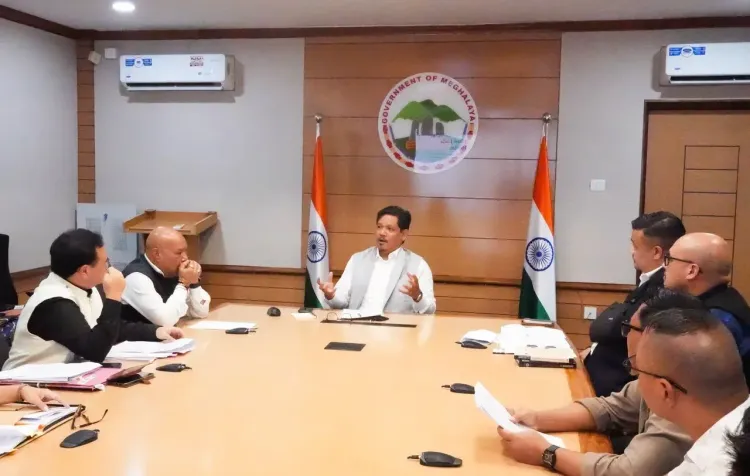
Sangma reviewed the 'Tracing the Roots' initiative on 7 August in Shillong .
The project is led by the Department of Arts and Culture and uses a multidisciplinary approach including linguistics, archaeology, ethnography, and genetic studies.
Preparatory work — including research team formation and digital platform development — has been underway since February .
The initiative will create permanent digital archives of cultural resources, oral histories, and historical records.
Meghalaya plans to collaborate with national and international academic institutions for comparative research.
Expected outputs include scholarly publications, educational resources, and digital repositories for researchers and policymakers.
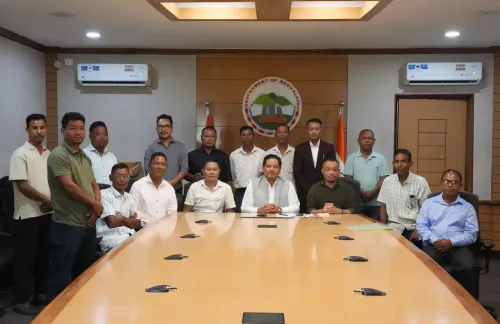
Meghalaya Chief Minister Conrad K. Sangma on Friday, 7 August chaired a review meeting in Shillong to assess the progress of the state's 'Tracing the Roots' initiative — an interdisciplinary research project designed to document the history, culture, language, and heritage of Meghalaya's indigenous communities through scientific and academic inquiry.
What the Initiative Covers
The project, being executed by the Department of Arts and Culture, adopts a multidisciplinary approach that brings together historical research, oral traditions, Indigenous Knowledge Systems, linguistics, archaeology, ethnography, and — where appropriate — genetic studies. The aim is to examine theories related to the origins and migration patterns of indigenous communities across the state.
Beyond tracing historical developments, the initiative will document customary institutions, festivals, material culture, and the current vitality of indigenous languages. A key deliverable is the creation of permanent digital archives to preserve cultural resources and historical records for future generations.
Where Things Stand
According to officials, preparatory work has been underway since February. This includes the constitution of dedicated research teams, formulation of the project framework, and the development of digital platforms to document research progress, preserve knowledge resources, and facilitate public participation throughout the study.
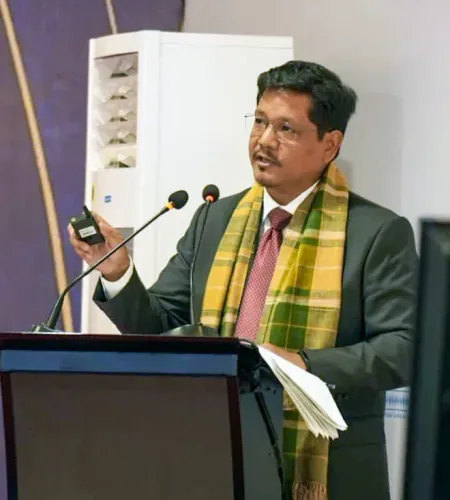
Reviewing the initiative, Sangma said the project is intended to build a 'scientifically credible and evidence-backed understanding' of Meghalaya's indigenous heritage while safeguarding oral histories and traditional cultural practices that form an integral part of the state's identity.
Academic Collaborations and Outputs
The state government plans to collaborate with leading national and international academic institutions for comparative historical, linguistic, and cultural research. The initiative is expected to produce scholarly publications, educational resources, and comprehensive digital repositories that can serve researchers, policymakers, and educational institutions alike.
Why It Matters
Meghalaya is home to three principal indigenous communities — the Khasi, Jaintia, and Garo — each with distinct languages, oral traditions, and customary governance systems. Many of these traditions remain undocumented or exist only in oral form, making them vulnerable to attrition as younger generations migrate to urban centres. This initiative represents the state's most structured attempt yet to anchor that living heritage in verifiable academic record.
The project also arrives at a moment of growing national and global focus on indigenous data sovereignty — the principle that communities should control how their knowledge is recorded and shared. How Meghalaya navigates that tension will be closely watched by other northeastern states with similarly rich but underdocumented cultural landscapes.
With the committee now steered and digital platforms under development, the government is expected to announce formal research partnerships and a public-facing timeline in the coming months.
Point of View
Which suggests the government is being deliberate — but also means public ownership of the project remains untested. The real measure of success will not be the number of publications produced, but whether the communities being documented see themselves in the final record.
NationPress
22 Sept 2026
Frequently Asked Questions
What is Meghalaya's 'Tracing the Roots' initiative?
'Tracing the Roots' is an interdisciplinary research project by the Meghalaya government aimed at documenting the history, culture, language, and heritage of the state's indigenous communities. It combines historical research, linguistics, archaeology, oral traditions, ethnography, and genetic studies to examine theories about indigenous origins and migration.
Who is overseeing the 'Tracing the Roots' project?
The project is being executed by Meghalaya's Department of Arts and Culture, with a dedicated committee constituted to steer it. Chief Minister Conrad K. Sangma chairs review meetings to assess implementation progress.
When did work on the initiative begin?
Preparatory work began in February, according to officials. This included forming research teams, developing the project framework, and building digital platforms for documentation and public participation.
What will the initiative produce?
The project is expected to yield scholarly publications, educational resources, and comprehensive digital repositories. It will also create permanent digital archives of cultural resources, oral histories, and historical records for researchers, policymakers, and educational institutions.
Will Meghalaya collaborate with outside institutions on this project?
Yes, the state government plans to partner with leading national and international academic institutions for comparative historical, linguistic, and cultural research, though specific institutions have not yet been publicly named.