Meghalaya's matrilineal system holds global lessons for sustainable farming: CM Sangma
Synopsis
Meghalaya's matrilineal tradition — where women inherit and control land — is being reframed not just as cultural identity but as a working model for global sustainable agriculture. CM Conrad Sangma used an international platform in Shillong to argue that what the Northeast has practised for generations, the world is only now beginning to prescribe.
Key Takeaways
Sangma addressed the International Conference on Women Farmers and Sustainable Organic Agriculture in Shillong on 26 June .
He said Meghalaya's matrilineal system , where women are custodians of land, offers a global model for sustainable farming and food security.
The state has placed women farmers at the centre of its development agenda for the past eight years through farmer-centric policies.
Growth in self-help groups and farmer producer organisations has improved market access and rural livelihoods.
Sangma called for treating Northeast India as one integrated region to scale up organic farming initiatives and attract investment.
The conference was co-organised with IFOAM – Organics Asia , drawing national and international delegates and policymakers.
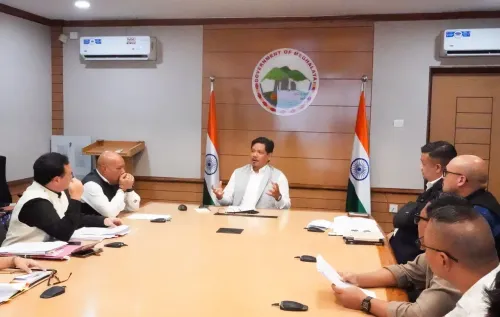
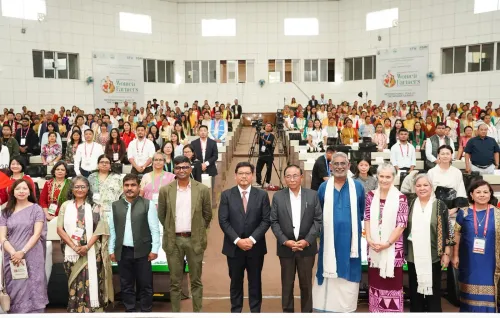
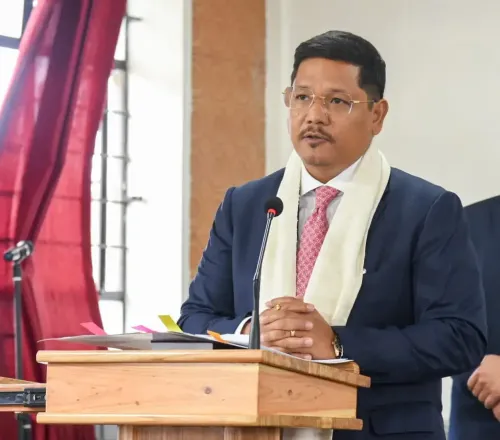
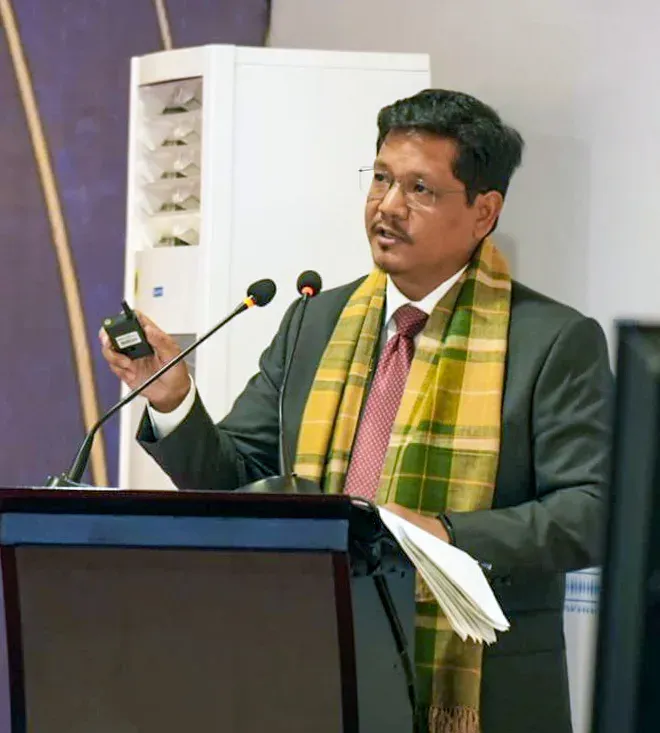
Meghalaya Chief Minister Conrad K. Sangma on Friday, 26 June said the state's distinctive matrilineal system — in which women serve as custodians of land and agriculture — carries valuable lessons for the world in advancing sustainable farming and reinforcing food security. Addressing the International Conference on Women Farmers and Sustainable Organic Agriculture at the State Convention Hall in Shillong, Sangma positioned Meghalaya's model as a replicable framework rather than a regional curiosity.
Women at the Centre of Meghalaya's Agriculture
Sangma said women occupy a central role in the state's agricultural landscape, and their ownership of land has cultivated a strong sense of responsibility, commitment, and long-term sustainability in farming practices. He noted that the state's governance model has consistently placed farmers — particularly women — at the heart of its development agenda over the past eight years, with farmer-centric policies designed to build a resilient and sustainable agricultural ecosystem.
Notably, this framing elevates a cultural inheritance into a policy asset: in a global context where women farmers often lack formal land rights, Meghalaya's matrilineal tradition offers a structurally different starting point.
Indigenous Knowledge and Northeast's Ecological Heritage
Sangma stressed that the indigenous agricultural knowledge and traditional farming practices of Northeast India must be preserved and promoted alongside modern scientific innovations. The region, he said, possesses a rich natural heritage that has sustained communities for generations, and called for blending traditional wisdom with technology to enhance productivity without compromising ecological balance.
He also highlighted the growth of self-help groups and farmer producer organisations as a key priority, arguing that strengthening community institutions has improved collective action, market access, and rural livelihoods across the state.
Regional Cooperation and a Unified Northeast Vision
Emphasising regional cooperation, Sangma said Northeast India should be viewed as one integrated region with shared ecological and cultural characteristics. Such an approach, he argued, would enable governments and stakeholders to scale up successful initiatives, attract greater investment, and create a stronger global impact in sustainable organic agriculture.
He also underlined the importance of partnerships with institutions, development agencies, and the private sector to mobilise resources, encourage innovation, and expand the reach of organic farming initiatives — while ensuring that farmers' interests remain protected.
About the Conference
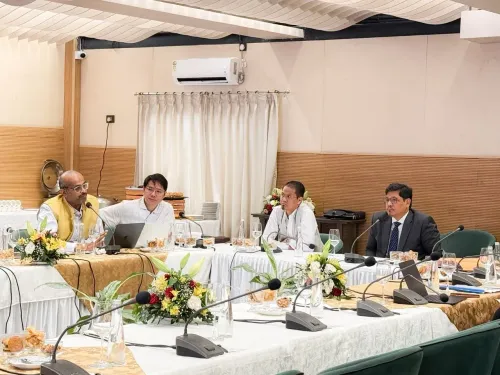
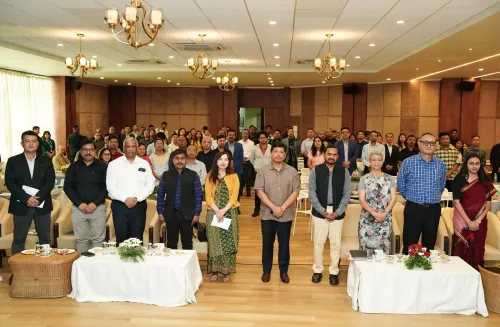
The conference was organised by the Department of Agriculture and Farmers' Welfare, Meghalaya, in collaboration with IFOAM – Organics Asia. It brought together national and international delegates, policymakers, experts, and stakeholders to deliberate on strengthening women-led agriculture, conserving natural heritage, and advancing sustainable organic farming through greater collaboration and knowledge sharing. The event reflects a broader push by the state to position itself as a thought leader in organic and community-driven agriculture.
Point of View
Not statute, making it difficult to transplant. The harder question mainstream coverage skips is whether the state's own women farmers are seeing measurable income gains — or whether the matrilineal label is doing more work on the conference circuit than on the ground.
NationPress
25 Sept 2026
Frequently Asked Questions
What is Meghalaya's matrilineal system and why does it matter for farming?
In Meghalaya's matrilineal tradition, land and property pass through the female line, making women the primary custodians of agricultural land. CM Sangma argues this has fostered a stronger sense of responsibility and long-term sustainability in farming, offering a model for global food security discussions.
What did CM Conrad Sangma say at the Shillong agriculture conference?
Sangma said Meghalaya's matrilineal system places women at the centre of agriculture and holds global lessons for sustainable farming. He also called for preserving indigenous farming knowledge, strengthening community institutions, and treating Northeast India as one integrated agricultural region.
Who organised the International Conference on Women Farmers and Sustainable Organic Agriculture?
The conference was organised by Meghalaya's Department of Agriculture and Farmers' Welfare in collaboration with IFOAM – Organics Asia. It brought together national and international delegates, policymakers, and experts in Shillong on 26 June.
What role do self-help groups play in Meghalaya's agriculture model?
According to CM Sangma, the growth of self-help groups and farmer producer organisations has been a key priority, helping improve collective action, market access, and rural livelihoods across the state.
Why does Sangma want Northeast India treated as one integrated agricultural region?
Sangma argued that a unified regional approach would allow governments and stakeholders to scale successful initiatives, attract greater investment, and amplify the global impact of sustainable organic farming efforts across the ecologically and culturally similar states of Northeast India.