CM Conrad Sangma backs women farmers at Shillong organic agriculture meet
Synopsis
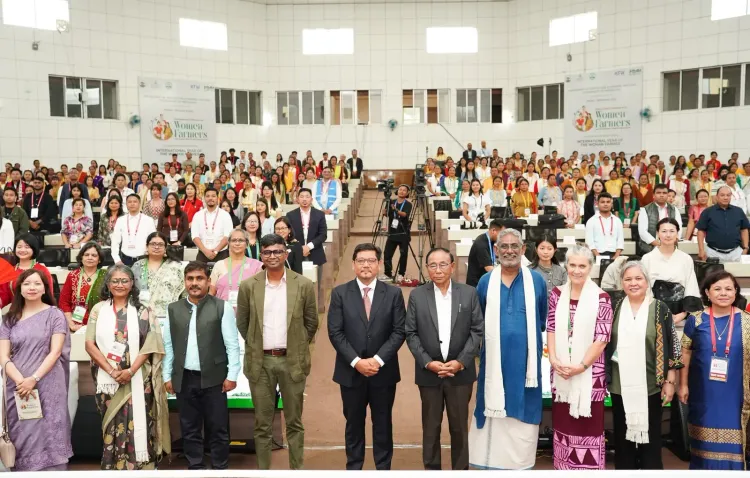
Meghalaya Chief Minister Conrad Sangma attended the International Conference on Women Farmers and Sustainable Organic Agriculture in Shillong on 26 June 2026, citing the state's matrilineal traditions as a built-in advantage for gender-inclusive farming and urging the Northeast to claim global leadership in certified organic agriculture.
Key Takeaways
Conrad Sangma attended the International Conference on Women Farmers and Sustainable Organic Agriculture in Shillong on 26 June 2026 .
He highlighted Meghalaya's matrilineal society as a structural advantage, with women serving as primary custodians of land and key drivers of sustainable farming.
Union Agriculture Minister Shivraj Singh Chouhan , global body IFOAM Organics , and German development bank KfW were among the stakeholders engaged at the conference.
The event aligns with central schemes including MOVCDNER and PKVY , both launched in 2015 to promote certified organic farming across the Northeast.
Sangma called for preserving indigenous agricultural knowledge while embracing innovation to build a resilient, globally competitive organic ecosystem in the region.
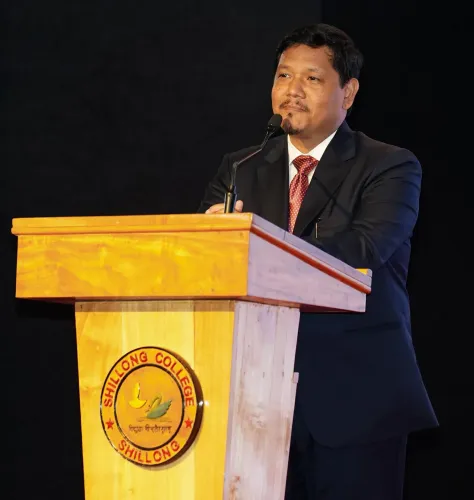
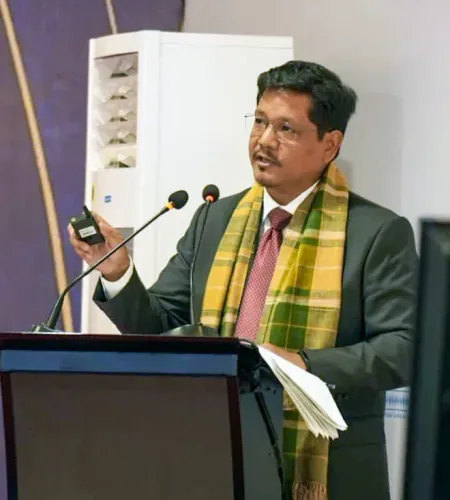
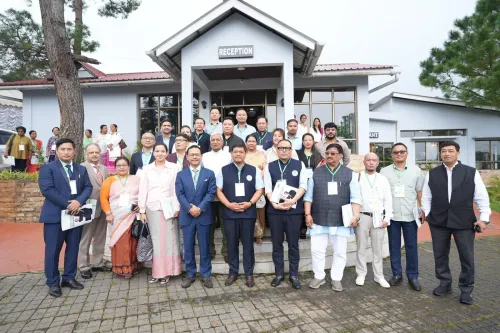
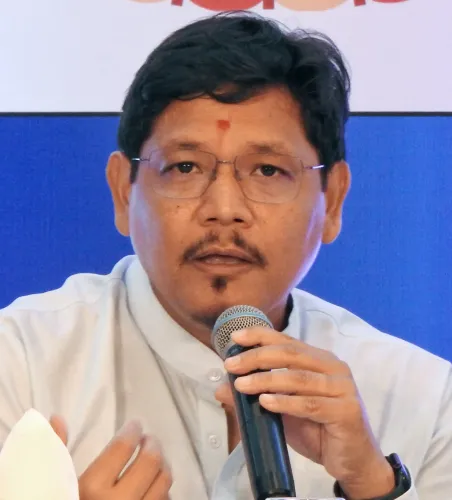
Meghalaya Chief Minister Conrad Sangma attended the International Conference on Women Farmers and Sustainable Organic Agriculture in Shillong on Friday, 26 June 2026, highlighting the state's matrilineal traditions as a foundation for gender-inclusive, sustainable farming and calling for the Northeast to emerge as a global leader in organic agriculture.
Context
Posting on X after the event, Sangma said he was 'pleased to attend' the conference and underscored that 'women have always been at the heart of agriculture and grassroots movement' in Meghalaya. He noted that the state's matrilineal society has 'empowered generations of women as custodians of land, making them key drivers of sustainable farming.' The conference brought together stakeholders from government, international bodies, and civil society, with Union Agriculture Minister Shivraj Singh Chouhan, global organic federation IFOAM Organics, and German development bank KfW among those tagged in the post.
Policy Backdrop
The conference sits within a broader national push to formalise organic farming in the Northeast. The Mission Organic Value Chain Development for North Eastern Region (MOVCDNER), launched in 2015, was designed to create certified organic clusters and market linkages across all eight Northeastern states. Alongside it, the Paramparagat Krishi Vikas Yojana (PKVY), also introduced in 2015, promotes cluster-based organic farming and participatory guarantee system (PGS) certification, including in hill states like Meghalaya.
The involvement of KfW — Germany's state-owned development bank — signals that concessional international finance is being channelled into sustainable agriculture and climate-aligned projects in the region. IFOAM Organics, the global federation for organic agriculture standards, brings certification expertise and international market access potential that could help Northeast producers command premium prices.
Stakeholders and Impact
Meghalaya's matrilineal tribal customs — prevalent among the Khasi and Jaintia communities — vest land ownership and inheritance primarily in women, making them natural decision-makers in agriculture. Advocates argue this gives the state a structural advantage in building gender-inclusive farming models that other regions must engineer through policy. Women farmers and organic cultivators across the Northeast stand to benefit most directly from any certification drives, value-chain pilots, or market-linkage programmes that emerge from the conference.
Sangma also emphasised the preservation of indigenous knowledge alongside 'embracing innovation to build a resilient agricultural ecosystem,' signalling an intent to blend traditional low-input cultivation practices with modern organic certification standards rather than replace one with the other.
What's Next
Observers will watch for state-level organic certification drives, market-linkage pilots, and any follow-up funding announcements under MOVCDNER or Meghalaya's state horticulture missions in the weeks after the conference. Sangma's call to 'position the Northeast as a global leader in sustainable organic agriculture' sets an ambitious benchmark — the region's ability to translate matrilineal land rights and indigenous farming knowledge into certified, export-ready organic produce will be the real measure of progress. Continued coordination between the Ministry of Agriculture and Farmers Welfare, international partners like KfW and IFOAM, and state governments will be critical to moving from conference commitments to on-ground outcomes.
Point of View
IFOAM, and KfW all in the room — is a deliberate signal that Meghalaya intends to be more than a passive beneficiary of central schemes. By foregrounding the matrilineal land-rights framework as a policy asset rather than a cultural footnote, he is making a case for Meghalaya-specific models that could attract international climate finance. The Northeast's organic narrative has long been aspirational; the presence of KfW suggests real concessional capital may now be moving. Whether that translates into certified export volumes and measurable income gains for women farmers will determine if this conference marks a genuine inflection point or remains another well-attended declaration.
NationPress
25 Sept 2026
Frequently Asked Questions
What is the International Conference on Women Farmers and Sustainable Organic Agriculture?
It is a conference held in Shillong on 26 June 2026 focused on the role of women farmers in advancing sustainable organic agriculture, bringing together state and central government officials, international organisations like IFOAM Organics, and development finance institutions like KfW.
Why is Meghalaya's matrilineal society relevant to organic farming?
In Meghalaya, matrilineal customs among the Khasi and Jaintia communities vest land ownership and inheritance primarily in women, making them the primary agricultural decision-makers — a structural advantage for building gender-inclusive sustainable farming models.
What is MOVCDNER and how does it relate to this conference?
The Mission Organic Value Chain Development for North Eastern Region (MOVCDNER), launched in 2015, aims to create certified organic clusters and market linkages across all eight Northeastern states; the Shillong conference aligns with and builds on this national policy framework.
What role does KfW play in India's organic agriculture push?
KfW, Germany's state-owned development bank, provides concessional finance for sustainable agriculture and climate-aligned projects in India, and its involvement signals that international funding is being directed toward Northeast organic farming initiatives.
What did Conrad Sangma say at the Shillong organic agriculture conference?
Sangma said women have 'always been at the heart of agriculture and grassroots movement' in Meghalaya, emphasised preserving indigenous knowledge while embracing innovation, and called for positioning the Northeast as a global leader in sustainable organic agriculture.