Ram Temple donation scam: Trust chiefs quit, 8 in custody in Ayodhya
Synopsis
The Ram Temple donation scam has claimed its first high-profile casualties — Trust General Secretary Champat Rai and member Anil Mishra have resigned — while all eight accused are in judicial custody and investigators are now probing whether bank officials helped run a multi-year cash-siphoning racket inside one of India's most sacred sites.
Key Takeaways
Champat Rai (General Secretary) and Anil Mishra (Trust member) of the Shri Ram Janmabhoomi Teerth Kshetra Trust resigned on 26 June on moral grounds.
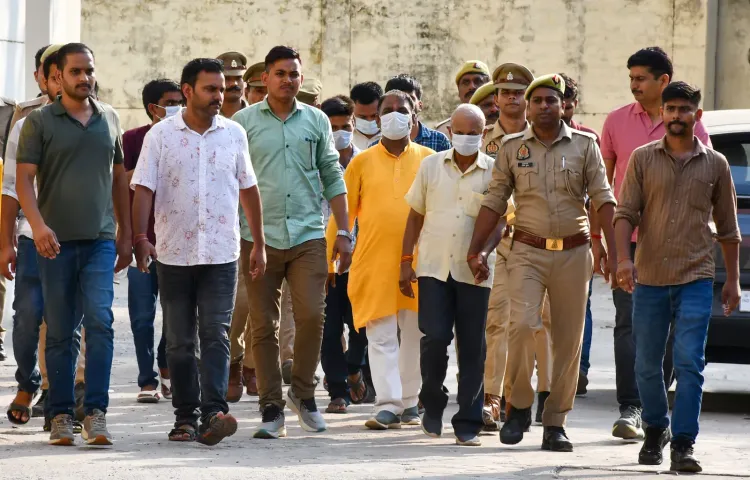
All eight accused were remanded to three-day judicial custody till 29 June by a magistrate in Ayodhya .
Ramshankar Yadav alias Tinnu , a former driver of Champat Rai, has emerged as the central figure in the investigation.
The State Bank of India (SBI) was authorised to handle cash counting at the temple; investigators are now examining whether banking procedures were manipulated.
Police suspect the alleged racket was active for two to three years , with cash allegedly hidden in temple washrooms before being removed at night.
The Uttar Pradesh government constituted the SIT on 14 June at the Trust's own request; its preliminary report triggered the FIR and arrests.
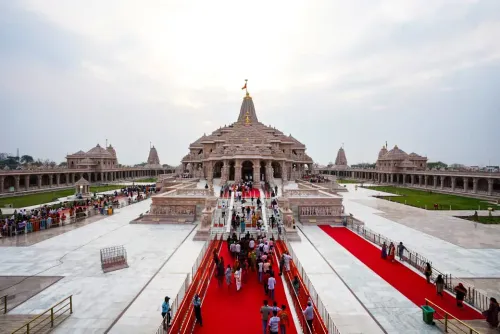
The alleged multi-crore embezzlement of devotees' donations at the Ram Temple in Ayodhya escalated sharply on Friday, 26 June, as Shri Ram Janmabhoomi Teerth Kshetra Trust General Secretary Champat Rai and Trust member Anil Mishra resigned from their posts amid mounting pressure over the mishandling of temple offerings. All eight accused arrested in connection with the case were simultaneously remanded to three-day judicial custody till 29 June, as investigators turned their lens on possible banking collusion in what they suspect was an organised, multi-year racket.
Why the Trust Leaders Stepped Down
According to sources, Rai and Mishra resigned on moral grounds days after a Special Investigation Team (SIT) submitted preliminary findings that flagged serious lapses in the management of cash offerings made by devotees. Their departures are being viewed as the first concrete accountability measure since the controversy triggered widespread public outrage and demands for action against those overseeing the temple's day-to-day administration.
Notably, no evidence has yet been made public directly linking either resigned official to the alleged financial irregularities. The SIT was constituted by the Uttar Pradesh government on 14 June at the Trust's own request, and its preliminary report prompted the registration of an FIR and the subsequent arrests.
The Eight Accused and Their Alleged Roles
The FIR names eight individuals — temple attendants, cash-counting staff, and a retired bank employee — accused of working in collusion to divert cash and valuables donated by devotees. The arrested persons are Ramshankar Yadav alias Tinnu, Avinash Shukla, Anukalp Mishra, Lavkush Mishra, Manish Kumar Yadav, Karunesh Pandey, Ramashankar Mishra, and retired bank employee Subhash Srivastava.
Tinnu, a former driver of Champat Rai, has emerged as the central figure. He allegedly exploited considerable access within the temple administration to manipulate the handling of donations, according to sources. His proximity to senior Trust members has intensified questions over administrative oversight.
Subhash Srivastava, who reportedly supervised cash-counting operations, is alleged to have coordinated duty allocations and facilitated the diversion of funds. During questioning, some accused allegedly disclosed names of additional banking officials who may have acted as conduits in the misappropriation.
Banking Angle Under Scrutiny
The State Bank of India (SBI) had been authorised to handle the counting and processing of cash offerings at the temple. Investigators are now examining whether standard banking procedures were manipulated to facilitate the alleged siphoning. Sources familiar with the probe indicated that more officials — both former and serving — could face legal action if evidence of collusion emerges.
Police suspect the operation may have been active for nearly two to three years. According to investigators, cash bundles were allegedly concealed inside washrooms within the temple complex before being removed at night, later distributed at separate locations, and channelled into accounts linked to members of the alleged syndicate. CCTV footage and financial records are being analysed to trace the movement of funds and identify all those involved.
What Happens Next
Police are expected to seek custodial remand of the eight accused for detailed interrogation to unravel the alleged conspiracy, trace the flow of funds, and identify additional beneficiaries. The SIT investigation remains active, and the probe's scope is widening to include banking personnel beyond the temple premises. The case has put the administration of one of India's most prominent religious sites under unprecedented public and legal scrutiny.
Point of View
But they also risk functioning as a pressure valve — deflecting accountability before the investigation establishes whether oversight failures ran deeper than the eight arrested individuals. The involvement of a former driver with alleged unfettered access to temple operations raises structural questions about how India's highest-profile religious site was administered. The SBI angle is the most consequential thread: if serving bank officials are implicated, this stops being a temple administration scandal and becomes a systemic financial crime. The fact that the Trust itself requested the SIT is worth noting — it suggests either genuine commitment to transparency or an attempt to control the investigation's framing before external pressure forced a harder reckoning.
NationPress
25 Sept 2026
Frequently Asked Questions
What is the Ram Temple donation scam in Ayodhya?
The Ram Temple donation scam refers to the alleged multi-crore embezzlement of cash and valuables donated by devotees at the Ram Temple in Ayodhya. A Special Investigation Team (SIT) constituted by the Uttar Pradesh government on 14 June found serious lapses in donation management, leading to an FIR and the arrest of eight individuals including temple attendants, cash-counting staff, and a retired bank employee.
Why did Champat Rai and Anil Mishra resign from the Ram Janmabhoomi Trust?
Champat Rai and Anil Mishra resigned on moral grounds following the SIT's preliminary findings, which flagged serious irregularities in the handling of temple donations. Their resignations came amid widespread public outrage, though no evidence has yet been made public directly linking either official to the alleged financial irregularities.
Who are the eight accused arrested in the Ayodhya temple scam?
The eight accused are Ramshankar Yadav alias Tinnu, Avinash Shukla, Anukalp Mishra, Lavkush Mishra, Manish Kumar Yadav, Karunesh Pandey, Ramashankar Mishra, and retired bank employee Subhash Srivastava. Tinnu, a former driver of Champat Rai, has emerged as the central figure; Srivastava allegedly supervised cash-counting and coordinated fund diversion.
What is the role of the State Bank of India in the Ayodhya temple donation probe?
The State Bank of India (SBI) was the authorised agency for counting and processing cash offerings at the Ram Temple. Investigators are now examining whether banking procedures were manipulated to facilitate the alleged siphoning of funds, and some accused reportedly named additional banking officials as alleged conduits during questioning.
How long is the alleged racket suspected to have been running?
Police suspect the alleged cash-siphoning operation was active for nearly two to three years. According to investigators, cash was allegedly concealed in temple washrooms, removed at night, distributed at separate locations, and channelled into accounts linked to members of the alleged syndicate. CCTV footage and financial records are being analysed to trace the full extent of the operation.