How did Faith meet Conservation at Magh Mela?
Click to start listening
Synopsis
This year's Magh Mela in Prayagraj witnessed a historic shift as environmental conservation took the spotlight, led by the inspiring Shipra Pathak. Her initiative, blending spirituality with ecological responsibility, calls for urgent action to protect our water bodies, forests, and traditions. Join us in exploring this transformative movement!
Key Takeaways
- Environmental conservation is essential for preserving cultural traditions.
- The Panchtattva Paryavaran Padyatra united thousands in a common cause.
- Shipra Pathak emphasized the need for collective responsibility among devotees.
- Maintaining the purity of the Ganga is a moral obligation for every devotee.
- Integrating spirituality with ecological awareness can foster a sustainable future.
Prayagraj, Jan 19 (NationPress) A significant milestone was achieved at this year's Magh Mela as environmental conservation took center stage for the very first time. Under the guidance of the Panchtattva Foundation, a dedicated 'Panchtattva Paryavaran Karyalaya' was established within the Mela grounds in Prayagraj. This initiative aimed to showcase the profound connection between water, forests, and life.
This effort marked a fascinating transition towards intertwining environmental consciousness with spiritual customs.
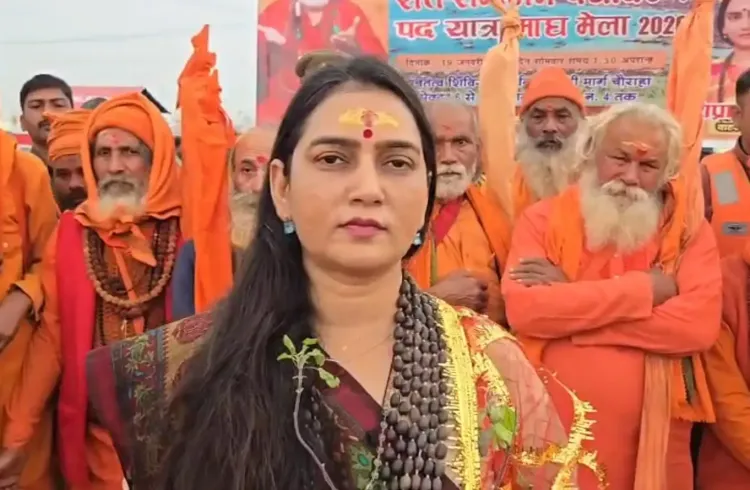
As part of the initiative, a distinctive 'Panchtattva Paryavaran Padyatra' focusing on water conservation was organized. The procession attracted saints, seers, devotees, and the general populace, uniting them in a common pursuit of ecological responsibility. The march was spearheaded by the acclaimed environmentalist and water conservation advocate Shipra Pathak, who is affectionately known nationwide as the 'Water Woman.'
Commencing from the Panchtattva Paryavaran Shivir on Harshvardhan Marg and concluding at Ganga Ghat near Bridge No. 4, Shipra Pathak walked alongside numerous dandi sadhaks and saints. This symbolic and spiritual expedition conveyed a potent message—that spirituality and environmental preservation are intrinsically linked and must coexist.
This initiative distinguished itself through its introspective and transformative approach during the Magh Mela on Mauni Amavasya, which typically garners considerable attention due to processions and discussions surrounding rituals and bathing customs.
Shipra Pathak encouraged devotees to reflect deeply. She posed a crucial question: if the waters of the Triveni Sangam are not maintained clean and safeguarded, how will the traditions of Kalpavas, Magh Mela, and Mahakumbh endure in the years to come?
During the march, saints and sadhaks held saplings in their hands, providing a striking visual representation of faith intertwined with responsibility toward future generations.
Pilgrims present at the Magh Mela also pledged their support for Shipra Pathak’s ambitious 'One Crore Tree Plantation Pledge.' Tulsi saplings were distributed among devotees to emphasize the cultural and spiritual significance of nature conservation within Indian traditions.
Upon reaching Ganga Ghat, saints performed a holy dip, urging devotees to refrain from using polythene and to assist in maintaining cleanliness at the ghats.
The saints remarked that the Ganga is not merely a river but also a mother that sustains life. They asserted that ensuring the purity of the Ganga is a moral obligation for every devotee. They cautioned that plastic waste and pollution jeopardize not only the environment but also religious faith itself.
Mahadev Guru Ji, manager of Peepleshwar Mahadev, commended Shipra Pathak’s dedication to environmental protection, emphasizing its necessity for forthcoming generations. Guru Ji warned that neglecting water conservation could lead to future disputes over water scarcity and pledged his full support for the Panchtattva Foundation’s mission.
Bhairav Math’s Mahant Swami Shringeri Maharaj echoed this sentiment with the slogan 'Jal hai to kal hai' (If there is water, there is a future), confirming the complete backing of his Akhara for the conservation movement. He underlined that the role of saints must extend beyond rituals to active involvement in protecting society and nature.
Expressing her gratitude to the saints, journalists, and devotees, Shipra Pathak remarked that the overwhelming backing for water conservation had fortified her determination. 'If there is no water in the Triveni, the very concept of the Magh Mela and Mahakumbh will cease to exist,' she stated, urging individuals to incorporate water conservation into their daily routines.
She further emphasized that making the ghats polythene-free is not just the responsibility of the government or administration but a collective duty shared by the millions of devotees visiting the sacred site. Pathak insisted that maintaining the cleanliness of the Ganga and Triveni is entirely feasible if everyone accepts their share of responsibility.
The padyatra commenced with Vedic chants recited by Gurukul students, accompanied by the resonating sound of conch shells, creating a spiritually uplifting atmosphere. Numerous women also participated, amplifying the message of environmental protection through significant participation. Hundreds of volunteers and devotees from Panchtattva joined in.
More than a mere event, the Panchtattva Paryavaran Padyatra conveyed a profound message: safeguarding faith necessitates safeguarding nature. Without the conservation of water, forests, and land, cultural traditions cannot persist.
Shipra Pathak’s initiative will be remembered as a pivotal moment in the history of the Magh Mela—one that aimed to transform environmental awareness into a widespread spiritual movement.
Point of View
It is essential to recognize the significance of Shipra Pathak's initiative at the Magh Mela. This historic movement not only emphasizes the importance of environmental conservation but also highlights the responsibility of individuals in preserving our cultural and spiritual heritage. The integration of faith and ecological awareness serves as a powerful reminder that our traditions must evolve with the changing times, ensuring a sustainable future for generations to come.
NationPress
19/01/2026
Frequently Asked Questions
What was the main theme of the Magh Mela this year?
This year, the main theme of the Magh Mela was environmental conservation, marking the first time it took center stage.
Who led the 'Panchtattva Paryavaran Padyatra'?
The 'Panchtattva Paryavaran Padyatra' was led by Shipra Pathak, also known as the 'Water Woman.'
What message did the padyatra convey?
The padyatra conveyed a strong message that spirituality and environmental protection are inseparable and should go hand in hand.
What role did the saints play during the event?
Saints participated actively in the padyatra, holding saplings and urging devotees to maintain cleanliness at the ghats.
What is the 'One Crore Tree Plantation Pledge'?
The 'One Crore Tree Plantation Pledge' is an ambitious initiative by Shipra Pathak to encourage widespread tree planting among devotees.