Chennai well deaths: Father and son killed by toxic gas in Sowcarpet
Synopsis
A father and son hired to clean a private well in Chennai's Sowcarpet were killed by suspected toxic gas on 26 August — the son died attempting to rescue his father. Police are now investigating whether the house owner provided any safety measures before sending the two men, both daily-wage workers, into a poorly ventilated confined space.
Key Takeaways
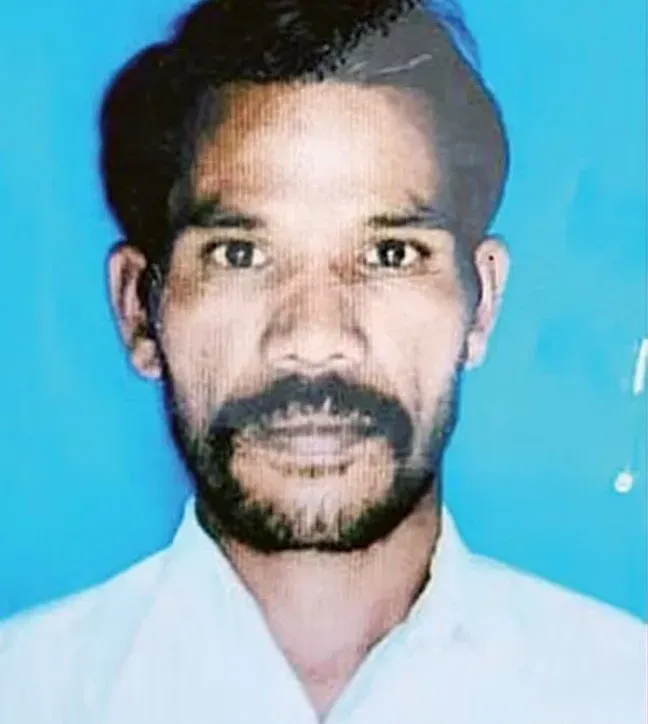
Ravi, 55 , and his son Ayyanar, 25 , both from Tiruvannamalai district , died after inhaling suspected toxic gas in a well in Sowcarpet, Chennai on 26 August .
The men had been hired by businessman Prashanth to clean and desilt a well inside his house.
Ayyanar died attempting to rescue his father, who had already collapsed at the bottom of the well.
Both were declared brought dead at Rajiv Gandhi Government General Hospital, Chennai .
Elephant Gate police have registered a case; investigators are examining whether adequate safety precautions were arranged before entry.
Post-mortem examination is underway to determine the exact nature of the gas and cause of death.
Two men — Ravi, 55, and his son Ayyanar, 25, both from Tiruvannamalai district — died after inhaling suspected toxic gas while cleaning a well at a private residence in Sowcarpet, Chennai, on Wednesday, 26 August. Police confirmed both were declared dead on arrival at hospital, and an investigation is underway into whether adequate safety precautions were in place before the men entered the confined space.
How the Incident Unfolded
The two men had been hired by Prashanth, a Sowcarpet-based businessman, to clean and desilt a well located inside his house. According to preliminary police inquiries, Ravi descended into the well via a temporary staircase and began removing accumulated silt from the bottom. He reportedly inhaled noxious fumes, lost consciousness, and fell into the water.
Ayyanar, who was waiting outside, noticed his father collapse and immediately climbed down in an attempt to rescue him. He too succumbed to the fumes before he could bring Ravi to safety, falling unconscious inside the well.
Rescue Operation and Medical Response
Bystanders at the house alerted the police and the Tamil Nadu Fire and Rescue Services, who rushed to the premises. Rescue personnel wearing protective equipment assessed conditions inside the well before descending — a precaution necessitated by the suspected presence of hazardous fumes in the poorly ventilated, confined space.
Both men were extracted and transported by ambulance to Rajiv Gandhi Government General Hospital, Chennai, where doctors declared them brought dead. Their bodies were subsequently sent for post-mortem examination to establish the precise cause of death.
What Police Suspect
Investigators believe poisonous gas — likely produced by decomposing organic matter or accumulated silt in the sealed, low-ventilation environment — built up inside the well and rendered both men unconscious within a short period. The exact nature of the gas is yet to be established pending forensic examination.
Elephant Gate police have registered a case and launched an investigation. Authorities are examining the circumstances under which the men were engaged for the work, and crucially, whether the house owner had arranged any safety measures — such as gas-detection equipment or ventilation — before they entered the well. The house owner and others present at the time are expected to be questioned.
A Recurring Occupational Hazard
Deaths from toxic gas inhalation in confined spaces such as wells, sewers, and septic tanks are a persistent occupational safety concern across India, particularly among daily-wage workers hired informally for cleaning tasks. Such workers are frequently engaged without safety equipment or prior hazard assessment. Further action in this case will be determined by the findings of the investigation and the post-mortem reports, officials said.
Point of View
No ventilation check, and no safety harness — hired cheaply and expendably. The question investigators must answer is not just what gas killed these two men, but who was legally responsible for ensuring they had the equipment to survive the job. India's building and construction regulations require hazard assessment before confined-space entry, yet enforcement for informal domestic contracts is virtually non-existent. Until liability attaches clearly to those who hire such workers without safety provisions, these deaths will keep recurring.
NationPress
11 Oct 2026
Frequently Asked Questions
What happened in the Chennai well death incident on 26 August?
A father and son, Ravi, 55 , and Ayyanar, 25 , died after inhaling suspected toxic gas while cleaning a well at a private house in Sowcarpet, Chennai, on 26 August. Ravi collapsed at the bottom of the well, and Ayyanar died attempting to rescue him.
Who hired the two men and where did the incident occur?
The men were hired by Prashanth , a businessman based in Sowcarpet, Chennai, to clean and desilt a well inside his residence. Both victims were natives of Tiruvannamalai district working as hired labour.
What gas caused the deaths in the Sowcarpet well?
Police suspect poisonous gas accumulated inside the poorly ventilated well caused both men to lose consciousness rapidly. The exact nature of the gas has not yet been established and is subject to post-mortem and forensic examination.
What action has been taken by authorities?
Elephant Gate police have registered a case and begun an investigation. Authorities are examining whether adequate safety precautions were arranged before the men entered the well, and the house owner and witnesses are expected to be questioned.
Are confined-space deaths common in India?
Deaths from toxic gas inhalation in wells, sewers, and septic tanks are a recurring occupational hazard in India, particularly among informal daily-wage workers who are frequently engaged without safety equipment or prior hazard assessment.