Are Renewed Fidayeen Strikes Looming Across the LoC?
Synopsis
As intelligence reports indicate a resurgence of fidayeen strikes, India braces for a challenging winter. Terror networks backed by Pakistan are regrouping along the LoC, raising concerns over national security. What implications could this have for the ongoing peace efforts?
Key Takeaways
Pakistan-backed terror networks are regrouping along the LoC.
Renewed fidayeen strikes are anticipated this winter.
Operation Sindoor may enter a new phase in response to the threat.
Intelligence indicates increased infiltration activities.
Local stability is at risk with the resurgence of terror activities.
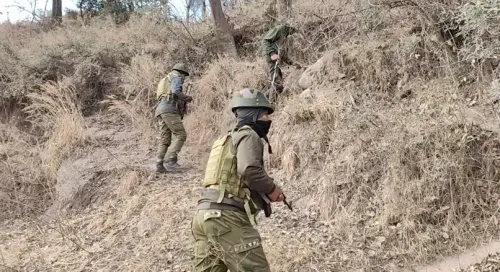
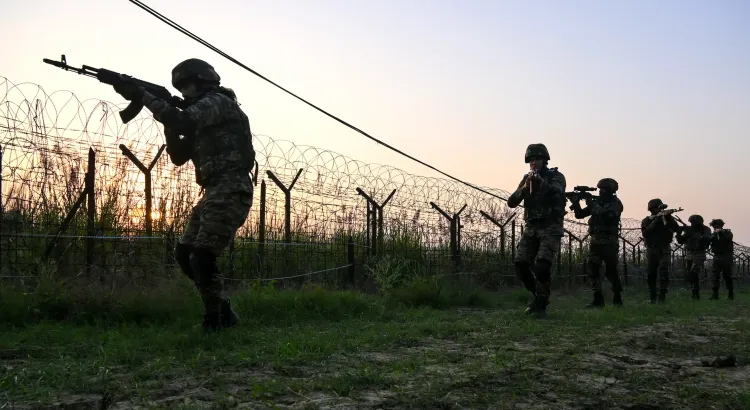
New Delhi, Nov 5 (NationPress) - India is preparing for a daunting winter as terror networks backed by Pakistan are reportedly regrouping along the Line of Control (LoC) in Jammu and Kashmir. Intelligence reports indicate a resurgence of fidayeen attacks and insurgency funded by narcotics.
Following the impactful Operation Sindoor that dismantled much of the terror infrastructure in Jammu and Kashmir six months ago, new intelligence obtained by NDTV and validated by various agencies presents a dismal outlook on Pakistan’s ongoing proxy warfare.
Groups such as Lashkar-e-Taiba (LeT) and Jaish-e-Mohammed (JeM), longstanding tools of Islamabad’s covert aggression, appear to be mobilizing for another series of coordinated attacks, with support from the Special Services Group (SSG) and the Inter-Services Intelligence (ISI).
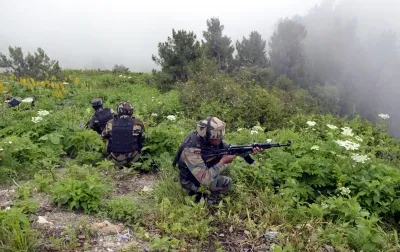
Since September, there has been an increase in activities along infiltration routes on the LoC. Drones, operated by a LeT unit led by the infamous Shamsher, have been scouting for potential vulnerabilities for fidayeen-style assaults or aerial weapon drops.
Intelligence reports indicate that Pakistan’s Border Action Teams (BATs)—a lethal combination of former SSG commandos and trained terrorists—have been redeployed in Pakistan-Occupied Kashmir (PoK), hinting at a possible escalation of cross-border operations.
Recent secret meetings in PoK, attended by members of Jamaat-e-Islami, Hizbul Mujahideen, and ISI officials, allegedly finalized plans to reactivate dormant terror cells.
Ex-commanders have been promised monthly financial support, orders have been issued for the reactivation of sleeper modules, and directives have been made to retaliate against losses incurred during Operation Sindoor.
Facing both diplomatic isolation and domestic turmoil, the ISI seems to be reverting to its historical strategy of exporting instability to disrupt India’s peace efforts.
A perilous new front is emerging as LeT operatives work on strengthening their human intelligence networks throughout the Kashmir Valley, identifying local sympathizers and resources. Additionally, narco-terror and arms smuggling routes reminiscent of the recent situations in Punjab and Rajasthan are being expanded to fund their operations.
The timing is particularly concerning; as India’s Trishul Tri-service exercise takes place along the western borders, winter’s approach typically limits infiltration. Nevertheless, analysts caution that this year could defy that trend.
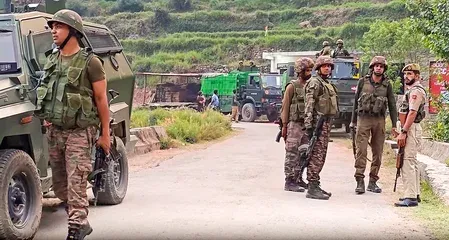
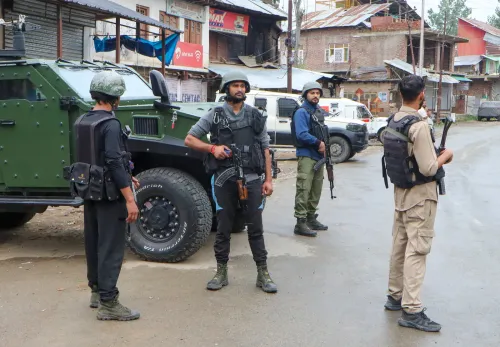
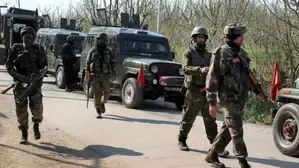
New Delhi has raised the alarm, with officials labeling the intelligence as a “critical warning,” and the Northern Command is on high alert.
Operation Sindoor, which previously dismantled LeT and TRF networks, may soon enter a renewed phase.
The stakes are significant—not only for territorial integrity but for the semblance of stability that local elections and the return of tourists have begun to restore. As the valley braces for what could be a prolonged winter of terror, the real question is not whether Pakistan will strike, but rather when and how.
Silence along the LoC may soon be shattered by the sounds of yet another fidayeen charge, an additional drone drop, and yet another test of India’s steadfast commitment to maintaining peace.
Point of View
It is our duty to remain vigilant and ensure that the nation is informed about potential threats. The resurgence of terror activities along the LoC highlights the need for a robust security strategy. We stand with the nation in our commitment to uphold peace and security amidst these challenges.
NationPress
23 Sept 2026
Frequently Asked Questions
What is the current situation along the LoC?
Intelligence reports indicate a resurgence of terror networks along the Line of Control, with warnings of renewed fidayeen strikes and narco-funded insurgency.
Who is involved in these terror activities?
Groups such as Lashkar-e-Taiba and Jaish-e-Mohammed, supported by Pakistan’s ISI, are reportedly mobilizing for coordinated attacks.
What does Operation Sindoor entail?
Operation Sindoor was initiated to dismantle terror networks in Jammu and Kashmir, and it may soon enter a renewed phase due to the current threat level.
How is the Indian government responding?
The Indian government has raised alarms over the situation, with the Northern Command on high alert in response to intelligence warnings.
What are the implications for local stability?
The resurgence of terror activities poses significant risks not only to territorial integrity but also to the stability and normalcy achieved through local elections and tourism.