Finance Ministry urges DRTs to adopt best practices, cut case pendency
Synopsis
the ministry stated.
Key Takeaways
"Mediation is internationally recognised as an effective practice for resolving disputes through mutual consensus," the ministry stated, underscoring the strategic importance of ADR in easing the burden on formal judicial channels.
What Comes Next With the Finance Ministry now formally pushing for best-practice adoption across all DRTs, the focus will be on whether underperforming tribunals can replicate the gains seen in high-performing ones.
Industry observers note that sustained improvement in DRT disposal rates could have a meaningful downstream effect on bank balance sheets, particularly as the Centre continues its push to resolve legacy NPA stress in the financial system.
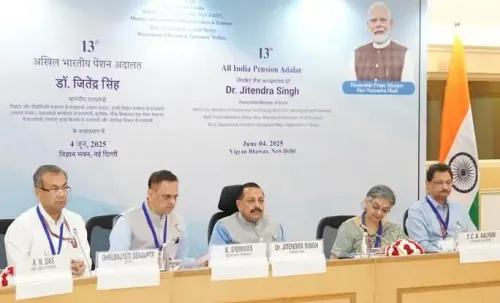
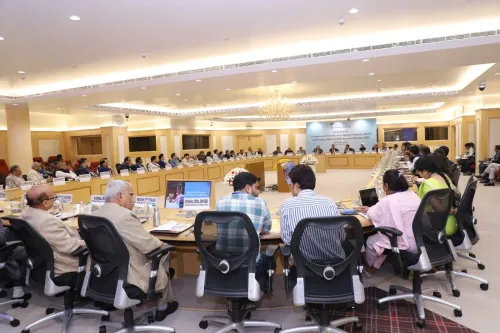
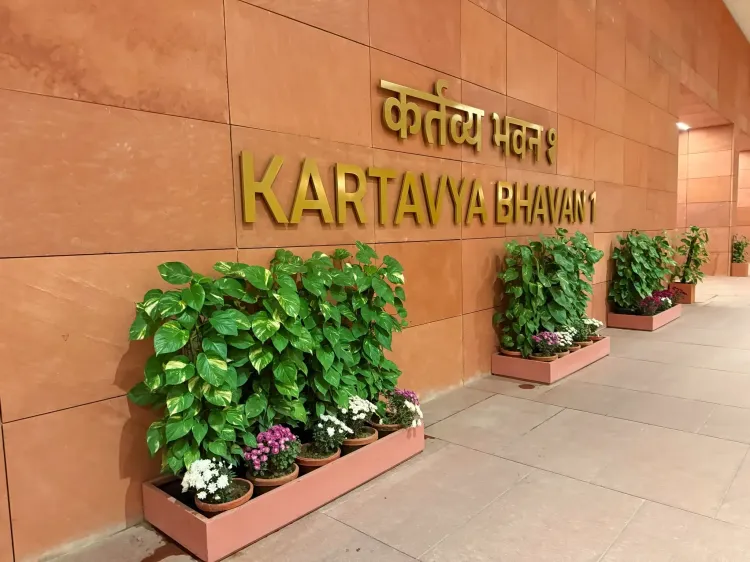
The Finance Ministry has urged Debt Recovery Tribunals (DRTs) across the country to emulate best practices followed by high-performing tribunals, in a concerted push to reduce case pendency and accelerate disposal rates. The directive came during a dedicated meeting held in New Delhi, where officials deliberated on structural and procedural reforms to strengthen debt recovery mechanisms.
Key Areas of Discussion
The meeting covered a broad range of reform measures aimed at improving DRT efficiency. These included strengthening oversight and monitoring mechanisms within banks to enhance recoveries, and prioritising high-value cases for optimal recovery outcomes. Officials also discussed leveraging Lok Adalats as an effective alternate dispute resolution channel, alongside mechanisms for expeditious disposal and comprehensive capacity-building initiatives.
Procedural reforms to accelerate case disposal were also on the agenda, with the ministry emphasising that a multi-pronged approach — combining institutional oversight, technology, and training — is essential to meaningfully reduce pendency.
Rising Disposal Rates Signal Progress
According to the Finance Ministry, DRTs have already witnessed an encouraging increase in monthly disposal rates, attributed to renewed emphasis on capacity building and targeted infrastructure strengthening through training programmes. Officials indicated that this momentum needs to be sustained and replicated across underperforming tribunals.
Notably, this push comes amid long-standing concerns over the pace of debt recovery in India, where large volumes of non-performing assets (NPAs) have historically strained the banking sector. DRTs serve as a critical institutional mechanism for banks — particularly Public Sector Banks (PSBs) — to recover dues from defaulting borrowers.
Mediation Training: A Step Towards ADR
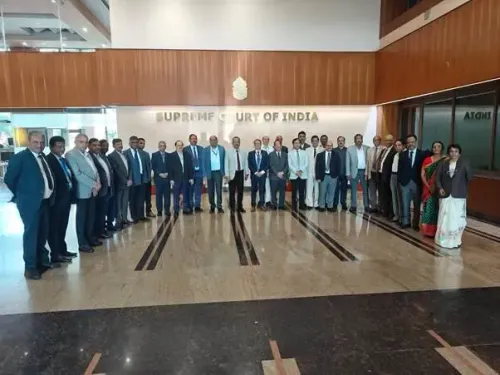
The ministry highlighted a mediation training programme conducted in September last year, which was organised by the Department of Financial Services (DFS), Ministry of Finance, in collaboration with the Mediation and Conciliation Project Committee (MCPC) of the Supreme Court of India. The programme helped presiding officers of DRTs and senior executives of Public Sector Banks resolve disputes more effectively and improve decision-making in debt recovery cases.
Participants were introduced to the concept of mediation, its advantages over traditional judicial processes, and other Alternative Dispute Resolution (ADR) methods. Sessions covered the stages of mediation, the role of mediators, communication techniques, and strategies for negotiation and bargaining.
Point of View
Prolonged litigation, and borrower-friendly procedural delays — issues that a single meeting or mediation workshop cannot resolve overnight. The real test is whether the ministry follows through with legislative or procedural reforms that give DRTs more teeth, rather than relying on best-practice sharing that has historically produced uneven results across tribunals.
NationPress
1 Oct 2026
Frequently Asked Questions
What are Debt Recovery Tribunals (DRTs) in India?
Debt Recovery Tribunals (DRTs) are quasi-judicial bodies established under the Recovery of Debts and Bankruptcy Act, 1993, to facilitate faster recovery of dues owed to banks and financial institutions. They handle high-value debt recovery cases and are a critical mechanism for reducing non-performing assets in the banking sector.
Why has the Finance Ministry urged DRTs to adopt best practices?
The Finance Ministry held a meeting to address rising case pendency in DRTs and urged them to emulate practices followed by high-performing tribunals. The goal is to accelerate disposal rates, improve bank recoveries, and reduce the burden on formal court systems.
What role do Lok Adalats play in debt recovery?
Lok Adalats serve as an alternate dispute resolution mechanism that can help resolve debt recovery disputes faster and at lower cost compared to formal tribunal proceedings. The Finance Ministry has specifically highlighted their use as a priority area to ease pendency in DRTs.
What was the DRT mediation training programme held in September?
The mediation training programme, organised by the Department of Financial Services in collaboration with the Supreme Court's Mediation and Conciliation Project Committee (MCPC), trained DRT presiding officers and Public Sector Bank executives in mediation techniques, ADR methods, negotiation, and communication strategies to improve dispute resolution outcomes.
How have DRT disposal rates changed recently?
According to the Finance Ministry, DRTs have witnessed an encouraging increase in monthly disposal rates, driven by renewed emphasis on capacity building and targeted training programmes. However, the ministry has stressed that this momentum needs to be sustained and replicated across all tribunals.