Rail reaches Raoghat: First train rolls into former Naxal heartland
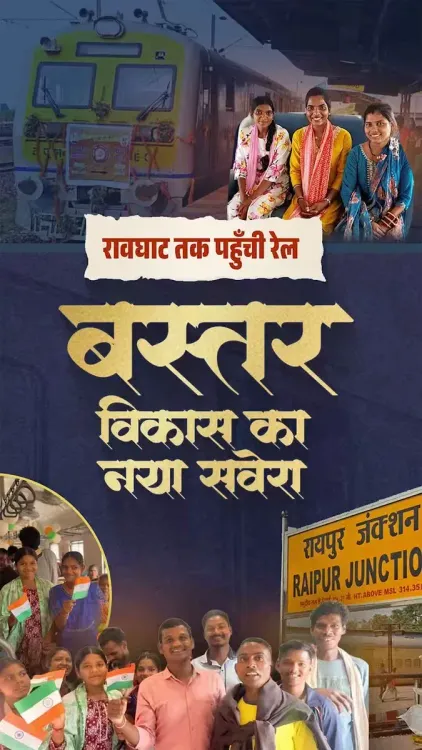
Synopsis
Rail service reaches Raoghat in Chhattisgarh's Bastar division for the first time, ending decades of isolation in a region once synonymous with Naxal insurgency. The CMO credits the 'Sushasan Sarkar' and tags the Railway Ministry in a landmark connectivity milestone.
Key Takeaways
First rail service ever reached Raoghat, Narayanpur district , on October 22, 2026 , as announced by the Chief Minister's Office of Chhattisgarh.
Raoghat, long described as a Naxal stronghold , has historically lacked road and rail infrastructure due to Left Wing Extremism.
Rail projects in Chhattisgarh's LWE-affected southern districts have been funded and planned since the 2000s by successive central governments.
Chief Minister Vishnu Deo Sai 's government is positioning the milestone as a key deliverable of its Sushasan Sarkar (good-governance) agenda.
The Raoghat area holds significant iron-ore reserves , making rail access critical for future mineral and economic development.
The CMO tagged @RailMinIndia , framing the achievement as a joint centre-state success under BJP governments at both levels.
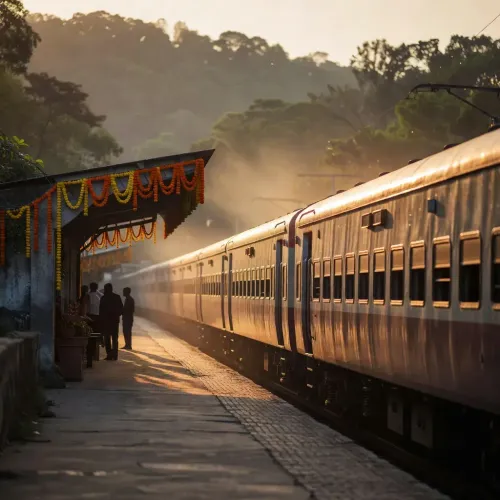
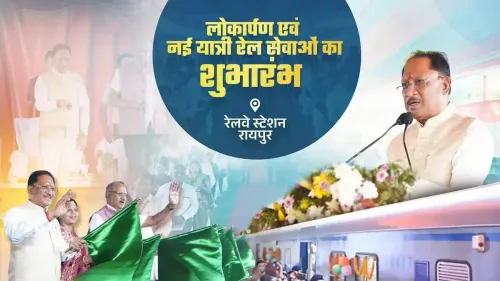
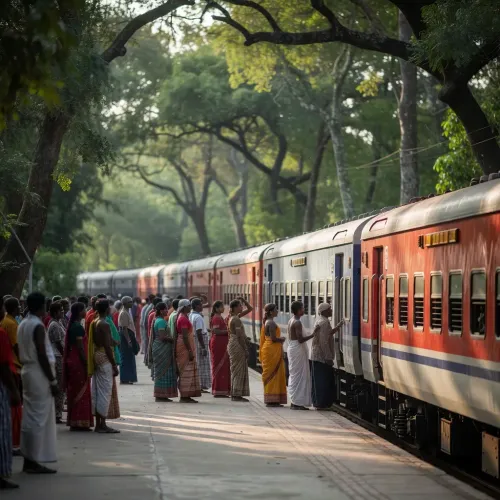
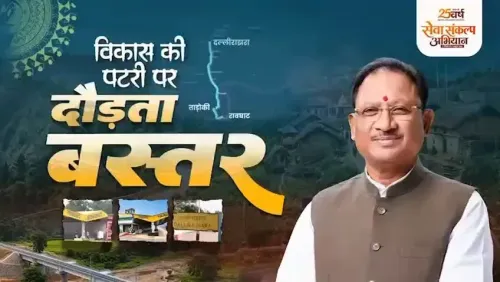
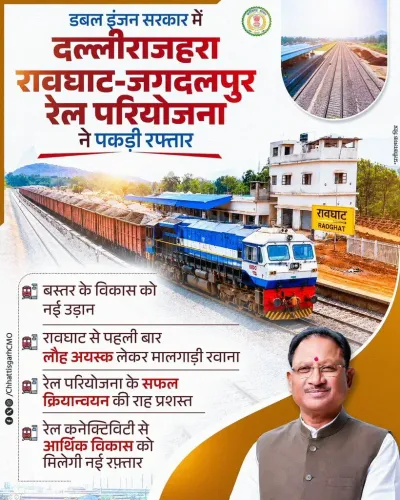
For decades, Raoghat — a stretch of Narayanpur district in Chhattisgarh's Bastar division — was defined by insurgency and isolation. On Thursday, October 22, 2026, that changed: the first rail service reached the area, and the Chief Minister's Office of Chhattisgarh marked the moment on X, sharing visuals of passengers boarding and declaring, 'वर्षों का इंतज़ार हुआ पूरा' ('years of waiting are finally over').
A region once sealed off by conflict finally opens up
Raoghat was, for much of the last three decades, shorthand for everything that made Bastar hard to govern and harder to reach. Left Wing Extremism kept large-scale infrastructure work at bay, and successive surveys marking the area's rich iron-ore deposits remained largely academic — no rail, no easy commerce, no straightforward way in or out for ordinary residents. The arrival of rail service is therefore not just a logistics upgrade; it is a visible, daily marker that the security situation has shifted enough to let construction teams finish what planners began years ago.
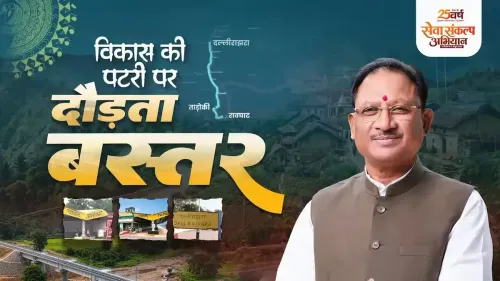
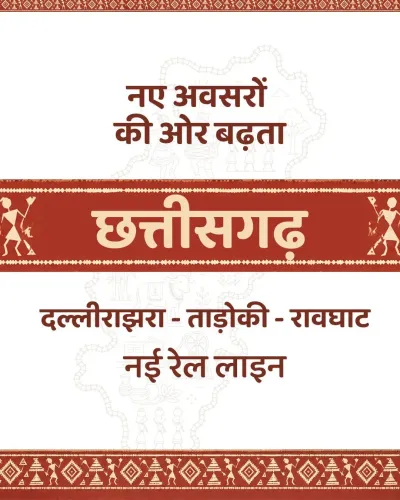
Rail connectivity projects across Chhattisgarh's Naxal-affected southern districts, including segments of the Dalli-Rajhara–Jagdalpur corridor, began receiving central approvals and dedicated funding from the 2000s onward as part of a broader national push to extend basic infrastructure into Left Wing Extremism (LWE)-affected zones. The Raoghat link is the latest — and arguably the most symbolically loaded — chapter of that effort.
CM Vishnu Deo Sai's Bastar development arc
Chief Minister Vishnu Deo Sai, who took office in December 2023, has positioned Bastar's transformation as a flagship narrative of his 'Sushasan Sarkar' (good-governance government). The CMO post directly tags @RailMinIndia (the Ministry of Railways), signalling that the state is framing this as a centre-state achievement — an alignment of political credit that matters in a region where both the BJP government in Raipur and the BJP-led government in New Delhi share the development story.
Passengers quoted in the post offered a pointed response: 'Aabhar Sushasan Sarkar' — 'thank you, good-governance government.' That framing, whether organic or curated, gives the ruling party a human soundbite to carry into Bastar's tribal constituencies, where development delivery — not just promises — is the currency that moves votes.
What the rail line means beyond the timetable
The strategic calculus here runs deeper than passenger convenience. Raoghat sits atop some of the subcontinent's most significant iron-ore reserves. Rail access unlocks the possibility of large-scale mineral transport, which has long been throttled by the absence of heavy-freight infrastructure. For tribal communities in the surrounding villages, a functioning station also means access to markets, hospitals, and government offices that were previously a grinding road journey away.
Broader connectivity patterns across central India show a consistent playbook: road and rail projects in formerly insurgency-hit zones compress travel times, cut the logistical advantage that armed groups once held by controlling terrain, and accelerate the arrival of commerce. The Raoghat rail link fits that pattern precisely — and now, with trains actually running, Bastar's isolation argument becomes harder to sustain.
Point of View
The CMO is constructing a shared narrative of 'development delivery' that both Raipur and New Delhi can claim. In Bastar's tribal constituencies, where electoral allegiances track tangible change, a working railway station is a more persuasive argument than any manifesto. The milestone also accelerates debate about Raoghat's iron-ore future, making land, royalty, and tribal-rights questions the next political flashpoint to watch.
NationPress
22 Oct 2026
Frequently Asked Questions
Which train has started in Raoghat Chhattisgarh?
The first rail service to reach Raoghat in Narayanpur district, Chhattisgarh, was inaugurated on October 22, 2026. Specific train name and number details are yet to be officially published.
Why is Raoghat rail connectivity important?
Raoghat was long cut off due to Naxal insurgency and sits atop rich iron-ore deposits. Rail connectivity ends decades of isolation for local tribal communities and opens the region to economic development and mineral transport.
What is the Raoghat rail project?
The Raoghat rail project is part of the broader Dalli-Rajhara to Jagdalpur rail corridor in Chhattisgarh, planned since the 2000s to extend rail infrastructure into Bastar's Left Wing Extremism-affected districts.
Who is Chief Minister of Chhattisgarh in 2026?
Vishnu Deo Sai is the Chief Minister of Chhattisgarh, having taken office in December 2023 as the BJP's choice after the party's state election victory.
What is Sushasan Sarkar in Chhattisgarh?
'Sushasan Sarkar' — meaning 'good-governance government' — is the branding used by Chief Minister Vishnu Deo Sai's BJP administration in Chhattisgarh to highlight development and governance initiatives.