FM Sitharaman cites Bengal entrepreneur in poverty article

Synopsis
Finance Minister Nirmala Sitharaman highlighted West Bengal entrepreneur Sushmita Gharai in an article on poverty reduction. She said a collateral-free MUDRA loan helped Gharai restart her family's printing business, which now employs eight people.
Key Takeaways
Nirmala Sitharaman shared an extract from her poverty-reduction article on 23 November 2026.
She said West Bengal entrepreneur Sushmita Gharai used a collateral-free MUDRA loan to restart her family's printing business.
According to the minister, Gharai now employs 8 people and plans to expand into digital printing.
Pradhan Mantri Mudra Yojana was launched on 8 April 2015 to extend credit to micro units lacking collateral.
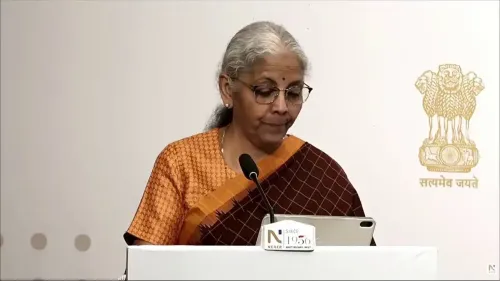
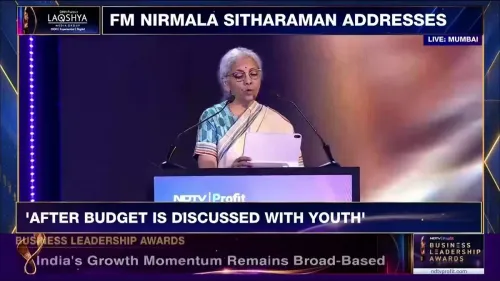
Union Finance Minister Nirmala Sitharaman has put a West Bengal printing entrepreneur at the centre of her account of credit access and poverty reduction in India. In an X post on 23 November 2026, she shared an extract from her article describing how a collateral-free MUDRA loan helped Sushmita Gharai rebuild her family business.
Sitharaman cites Gharai's printing business
According to Sitharaman, Gharai lost her father during the pandemic and the family's printing business subsequently collapsed. With no land or gold to offer as security, the entrepreneur used a collateral-free loan to restart the press, the minister wrote.
The minister said Gharai now employs 8 people, twice her initial workforce, and plans to expand into digital printing. 'What stayed with me was her determination to rebuild and grow,' Sitharaman wrote.
She described the entrepreneur's story as reflecting 'the aspirations of countless young Indians whose ambition exceeds their financial means'. The post linked to her longer article on poverty reduction in India.
What the MUDRA loan scheme does
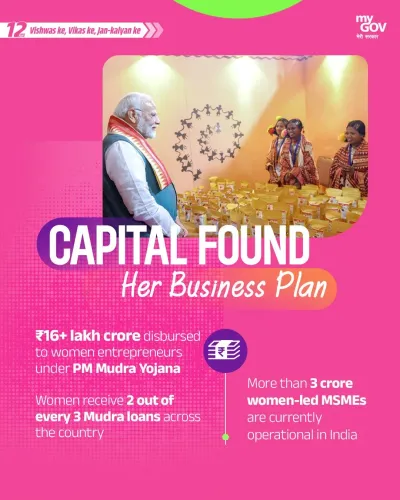
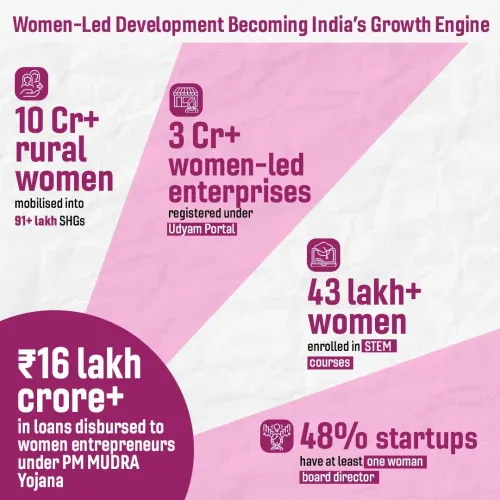
The Pradhan Mantri Mudra Yojana, launched on 8 April 2015, provides collateral-free loans to micro and small non-farm enterprises. Its design addresses a barrier for business owners who may lack assets to pledge as security.
The scheme is part of the government's broader financial inclusion approach, which uses access to credit to support self-employment. Sitharaman's account offers one example of that approach; it does not, on its own, establish the scheme's overall effect on poverty.
The larger test is how access to credit translates into sustained livelihoods across the many small businesses the scheme aims to reach.
Point of View
But does not establish the programme's aggregate effect on poverty or employment.
NationPress
23 Nov 2026
Frequently Asked Questions
Who is Sushmita Gharai?
Sushmita Gharai is a West Bengal entrepreneur whose printing business was highlighted by Finance Minister Nirmala Sitharaman. The minister said a MUDRA loan helped her restart the family press.
What did Nirmala Sitharaman say about Sushmita Gharai?
Sitharaman said Gharai rebuilt her family's printing business with a collateral-free MUDRA loan. She said the business now employs eight people and plans to expand into digital printing.
What is the Pradhan Mantri Mudra Yojana?
Pradhan Mantri Mudra Yojana is a government programme providing collateral-free loans to micro and small non-farm enterprises. It was launched on 8 April 2015.
Why did Sitharaman mention the printing entrepreneur?
Sitharaman cited Gharai's story in an article on poverty reduction in India. She said it reflected the aspirations of young Indians whose ambition exceeds their financial means.