Sitharaman: ₹16 Lakh Crore MUDRA Loans Fuel Women Entrepreneurs
Synopsis
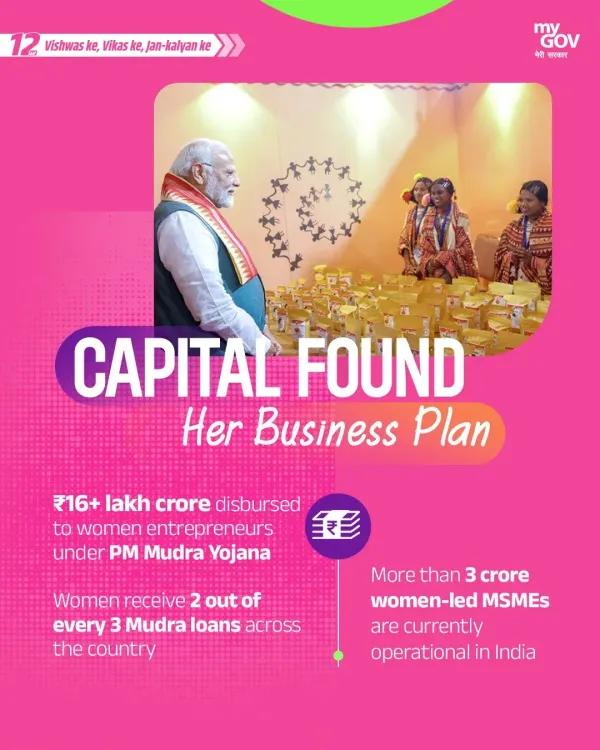
Union Finance Minister Nirmala Sitharaman has cited disbursement of over ₹16 lakh crore to women under PM MUDRA Yojana as proof that micro-credit is fuelling women-led development, marking the twelfth anniversary of the government's Nari Shakti initiative.
Key Takeaways
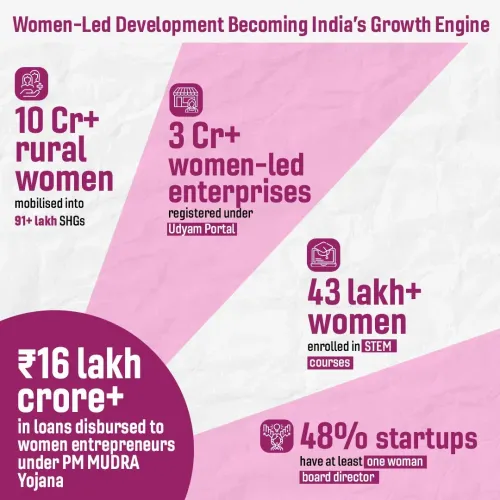
Finance Minister Nirmala Sitharaman announced that over ₹16 lakh crore has been disbursed to women under PM MUDRA Yojana .
PMMY was launched on 8 April 2015 to provide collateral-free loans up to ₹10 lakh to micro and small enterprises.
The scheme offers three tiers — Shishu, Kishore, and Tarun — aligned with enterprise growth stages.
The post was shared as part of the #12YearsOfNariShakti campaign marking twelve years of women-focused government initiatives.
Complementary schemes such as Stand-Up India (launched April 2016 ) have reinforced the broader micro-credit architecture for women entrepreneurs.
Updated disbursement data and revised PMMY targets are expected in the Union Budget 2026-27 and the upcoming monsoon session of Parliament.
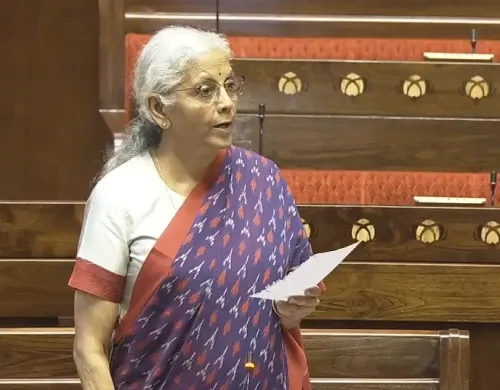
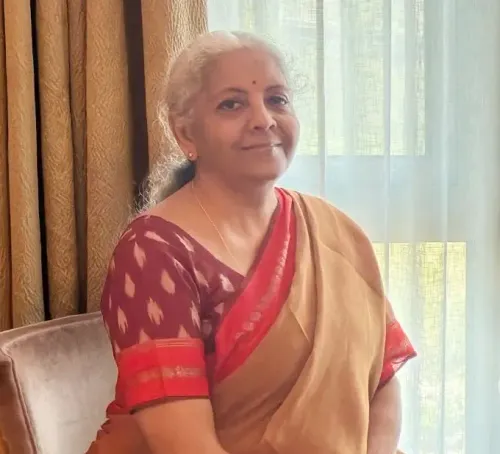
Union Finance Minister Nirmala Sitharaman on Friday, 12 June 2026 highlighted that more than ₹16 lakh crore has been disbursed to women under the Pradhan Mantri MUDRA Yojana, calling entrepreneurship a powerful driver of women-led development across India. The post, shared on the occasion of the #12YearsOfNariShakti campaign, underscores the government's framing of micro-credit as a cornerstone of female economic empowerment.
Context
The Pradhan Mantri Mudra Yojana (PMMY) was launched on 8 April 2015 to provide collateral-free loans of up to ₹10 lakh to micro and small non-farm enterprises in manufacturing, trading, and services sectors. From its inception, women borrowers were positioned as a primary target group, with the scheme structured around three loan tiers — Shishu (up to ₹50,000), Kishore (₹50,001 to ₹5 lakh), and Tarun (₹5 lakh to ₹10 lakh) — to match the growth stage of a borrower's enterprise.
Sitharaman's post frames the cumulative disbursement figure as evidence that the scheme has moved beyond financial inclusion into the territory of structural economic transformation, with women entrepreneurs increasingly driving grassroots growth.
Policy Backdrop
The Narendra Modi government, in office since May 2014, has consistently positioned micro-credit programmes within a broader Nari Shakti policy framework. The 2015-16 Union Budget introduced the Mudra Bank alongside PMMY, and successive budget documents have cited rising shares of women beneficiaries as a marker of the scheme's social impact. Complementary programmes such as the Stand-Up India scheme — launched in April 2016 to facilitate bank loans between ₹10 lakh and ₹1 crore for women and SC/ST entrepreneurs — have reinforced this architecture.
The #12YearsOfNariShakti hashtag situates the June 2026 post within a wider anniversary communication campaign marking twelve years of the present government's women-focused policy initiatives, linking cumulative programme data to a political milestone.
Stakeholders and Impact
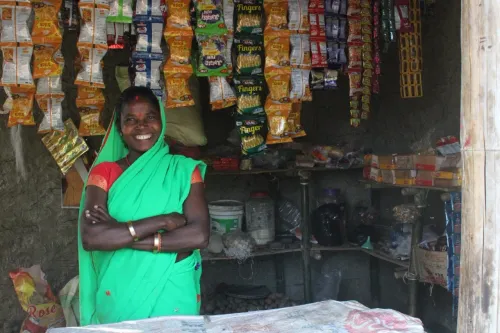
The primary beneficiaries of PMMY are women micro-entrepreneurs operating small businesses in sectors such as food processing, textiles, retail, and services — segments that have historically faced the steepest barriers to formal credit. By removing collateral requirements, the scheme has sought to bring first-generation entrepreneurs into the formal banking system.
Economists and parliamentary finance committees have periodically reviewed the scheme's non-performing asset ratios and the quality of employment generated, noting that raw disbursement figures must be read alongside repayment performance and the sustainability of enterprises created. The government's emphasis on the ₹16 lakh crore figure to women signals a deliberate effort to highlight gender-disaggregated outcomes rather than aggregate loan volumes alone.
What's Next
The Union Budget for 2026-27, along with the upcoming monsoon session of Parliament, is expected to provide updated gender-wise disbursement data and potentially revised PMMY targets. Parliamentary standing committees on finance are likely to scrutinise scheme performance metrics, including repayment rates and enterprise survival data, during the session. The trajectory of women-centric micro-lending will remain a key indicator of whether credit access is translating into durable economic mobility at the grassroots level.
Point of View
Reinforcing the BJP's long-running narrative that the Modi government has democratised capital access for women at the grassroots. By foregrounding gender-disaggregated disbursement rather than aggregate PMMY volumes, the communication signals a shift toward outcome-framing — an acknowledgement that raw loan numbers alone no longer suffice as political currency. The Nari Shakti branding also ties micro-credit policy to a broader electoral and ideological project of positioning women's economic agency as a BJP-era achievement. Whether the headline figure translates into sustained enterprise creation and income mobility will be the harder question parliamentary scrutiny is likely to press in the months ahead.
NationPress
22 Sept 2026
Frequently Asked Questions
What is PM MUDRA Yojana and who can apply?
PM MUDRA Yojana (PMMY) is a government scheme launched in April 2015 that provides collateral-free loans of up to ₹10 lakh to micro and small non-farm enterprises in manufacturing, trading, and services. Any Indian citizen with a viable business plan in these sectors, including women entrepreneurs, can apply through scheduled commercial banks, microfinance institutions, and regional rural banks.
How much has been disbursed to women under MUDRA Yojana?
According to Finance Minister Nirmala Sitharaman's post on 12 June 2026, over ₹16 lakh crore has been disbursed to women under PM MUDRA Yojana since the scheme's launch in 2015.
What are the three loan categories under MUDRA Yojana?
PMMY offers three loan tiers: Shishu (up to ₹50,000) for early-stage enterprises, Kishore (₹50,001 to ₹5 lakh) for growing businesses, and Tarun (₹5 lakh to ₹10 lakh) for more established micro-enterprises.
What is the Nari Shakti initiative by the Modi government?
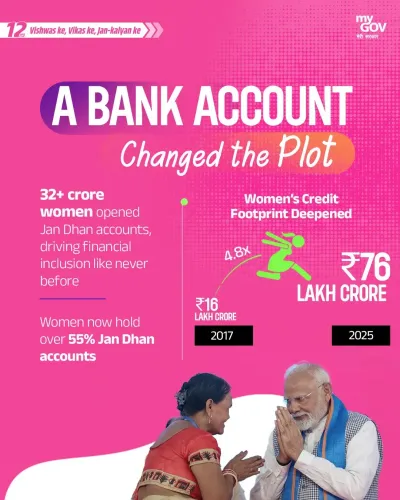
Nari Shakti is a policy and communication framework used by the Narendra Modi government to group women-focused welfare, credit, and empowerment programmes — including PMMY, Stand-Up India, and Jan Dhan Yojana — under a single narrative of women-led development.
What is the difference between MUDRA Yojana and Stand-Up India?
MUDRA Yojana provides collateral-free loans up to ₹10 lakh to micro-enterprises across all social categories, while Stand-Up India, launched in April 2016, specifically facilitates bank loans between ₹10 lakh and ₹1 crore for women and Scheduled Caste or Scheduled Tribe entrepreneurs setting up greenfield enterprises.