How Did Railways Achieve a Fourfold Surge in Freight Revenue from Gati Shakti Terminals?
Synopsis
Discover the incredible growth of freight revenue from Gati Shakti Cargo Terminals, with a fourfold increase to Rs 12,608 crore. This transformation, backed by strategic reforms and infrastructure planning, is reshaping India's logistics landscape and supporting sustainability goals.
Key Takeaways
Freight revenue from GCTs has surged to Rs 12,608 crore .
306 terminals approved with a capacity of 192 million tonnes .
2,672 million tonnes of freight shifted from road to rail.
Logistics costs reduced to 7.97 percent of GDP.
PM Gati Shakti National Master Plan enhances multimodal connectivity.
New Delhi, Jan 13 (NationPress) The freight revenue from the Gati Shakti Cargo Terminals (GCTs) operated by Indian Railways has experienced a remarkable fourfold increase from 2022–23 to 2024–25, soaring to Rs 12,608 crore, as per an official announcement made on Tuesday.
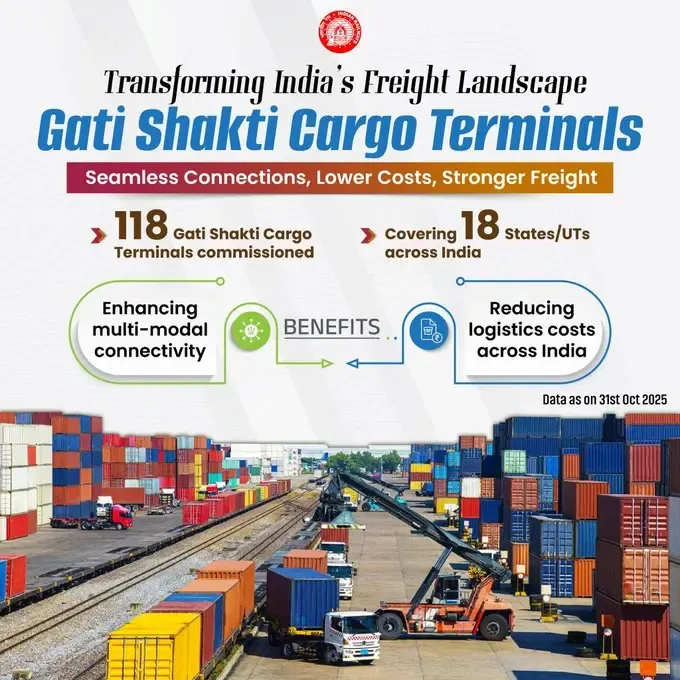
Indian Railways has sanctioned 306 GCTs, boasting a total capacity of 192 million tonnes annually. Out of these, 118 terminals are already operational, while around Rs 8,600 crore in private investment has been raised under the GCT Policy.
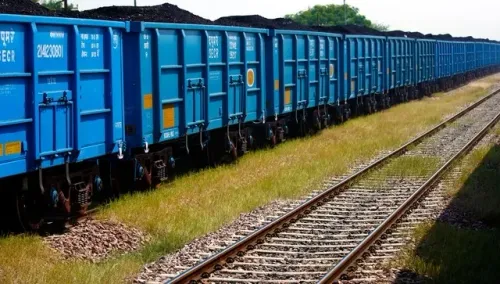
Since 2014, a substantial 2,672 million tonnes of freight has transitioned from road to rail, largely due to the GCTs, which have significantly contributed to reducing India’s logistics cost to 7.97 percent of GDP. The enhancement of rail freight operations has also resulted in a reduction of 143.3 million tonnes of CO2 emissions, aiding the nation’s efforts against climate change, as noted in the statement.
This decline in logistics costs showcases the success of ongoing reforms and comprehensive planning, bringing the country closer to international standards. It highlights how cohesive infrastructure development and digital integration are transforming the logistics sector, making it more efficient, competitive, and ready for the future.
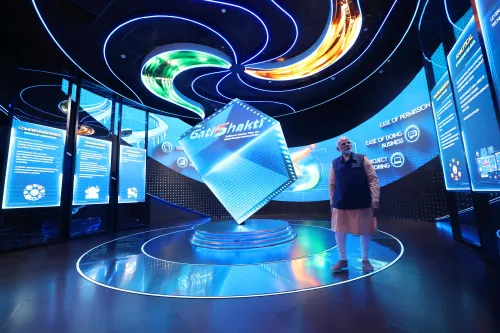
Central to this evolution is the PM Gati Shakti National Master Plan, which integrates railways, highways, ports, and airports into a cohesive framework. The plan aims to enhance industry competitiveness, support initiatives like Ease of Doing Business and Make in India, and promote balanced regional growth through seamless multimodal connectivity. The GCTs serve as a fundamental component of this vision, advancing modern logistics solutions that will further establish India as a prominent global trade hub.
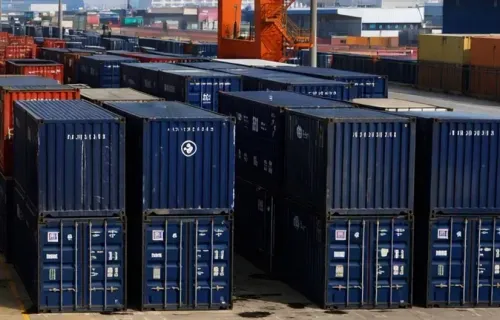
A railway cargo terminal is a facility designated for the loading, unloading, and transfer of goods between trains and other transportation modes. This facility is a vital link in the logistics chain, ensuring the smooth movement of both containers and bulk commodities. Previously, without multimodal hubs like the Gati Shakti Cargo Terminals, freight movement in India was fragmented across road, rail, and ports, resulting in delays, higher costs, and congestion. Integrated hubs are essential for connecting these modes, expediting cargo handling, and reducing emissions.
The GCTs are modern cargo terminals being established under the GCT Policy, 2021 of the Ministry of Railways, which merges rail with other transport modes.
These terminals are being designed with ‘engine-on-load’ (EOL) operations to minimize delays and ensure optimal use of railway infrastructure. They feature advanced cargo-handling systems, such as mechanized loading systems and silos, significantly cutting down handling times. The overarching goal is to increase the share of Indian Railways in total freight movement by providing faster, more efficient, and reliable freight services. This is crucial as rail transport is more energy-efficient, cost-effective, and generates significantly lower carbon emissions compared to road transport, aiding India in reducing logistics costs and achieving sustainability objectives.
Point of View
The significant increase in freight revenue through Gati Shakti Cargo Terminals is a testament to India's commitment to modernizing its logistics infrastructure. This not only enhances economic efficiency but also underlines the nation's dedication to sustainable practices, aligning with global standards and paving the way for future growth.
NationPress
22 Oct 2026
Frequently Asked Questions
What are Gati Shakti Cargo Terminals?
Gati Shakti Cargo Terminals (GCTs) are modern railway cargo facilities designed for efficient loading, unloading, and transfer of goods between trains and other transport modes.
How much has the freight revenue increased?
Freight revenue from GCTs has increased fourfold, reaching Rs 12,608 crore between 2022–23 and 2024–25.
What is the capacity of the GCTs?
The approved GCTs have a combined capacity of 192 million tonnes per annum.
How has GCT impacted logistics costs?
The GCTs have helped reduce India's logistics cost to 7.97 percent of GDP.
What is the PM Gati Shakti National Master Plan?
It is a comprehensive framework that integrates various transport modes to enhance connectivity and support initiatives like Ease of Doing Business and Make in India.