How have five Gujaratis been honoured with Padma Shri?
Click to start listening
Synopsis
On the eve of India's Republic Day, five remarkable Gujaratis received the prestigious Padma Shri for their outstanding contributions to folk arts and social service. Their stories of dedication and impact resonate deeply, showcasing the rich cultural heritage of Gujarat and the spirit of community service. Discover their inspiring journeys and contributions.
Key Takeaways
- Five Gujaratis were awarded the Padma Shri for their contributions to folk arts and social service.
- Dharamiklal Pandya has dedicated over 73 years to preserving narrative storytelling.
- Nilesh Mandalewala has facilitated the donation of over 1,366 organs.
- The awards highlight the importance of grassroots initiatives in India.
- There is a growing recognition of traditional arts in education.
Gandhinagar, Jan 25 (NationPress) As India prepares to celebrate its 77th Republic Day, the Central Government has revealed the Padma Awards for 2026, acknowledging individuals whose enduring efforts have fortified the nation’s cultural and social landscape.
This year, Gujarat shines on the national honours list, with five distinguished individuals from the state receiving the Padma Shri for their remarkable contributions to folk arts and social service.
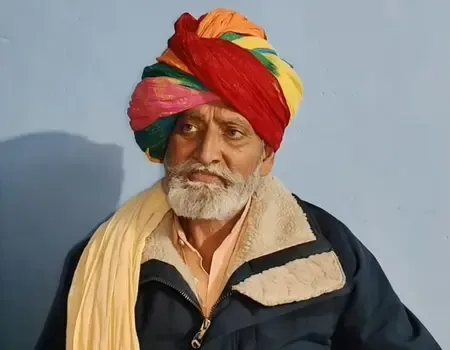
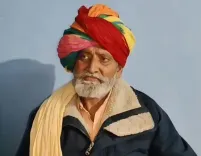
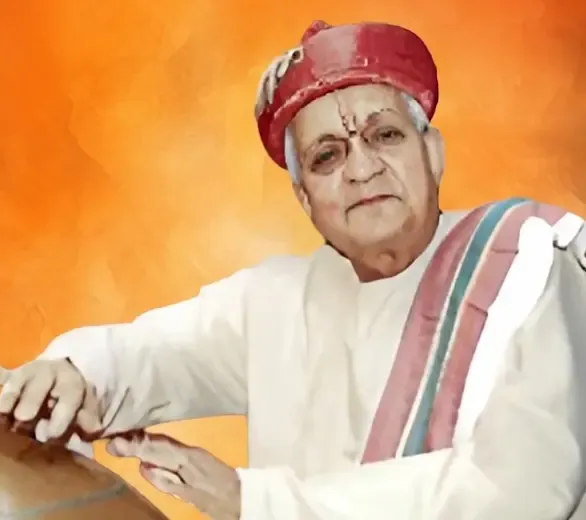
Among them is Dharamiklal Pandya, a 94-year-old folk storyteller from Vadodara, who has been awarded the Padma Shri in the music category for his dedication to preserving the ancient tradition of narrative storytelling.
Pandya has spent 73 years mastering the art of Manbhatt, melding classical music, rhythm, and narration to sustain this oral tradition.
His journey began under challenging circumstances following his father's passing while he was still in school, turning storytelling into both a source of income and a lifelong passion.
Over the years, Pandya's performances have captivated audiences across Gujarat through All India Radio, later extending his reach nationally and internationally.
He has delivered over 2,500 storytelling sessions in India and abroad, including in the United States, the United Kingdom, and Canada.
His notable works include Shri Harivansh Puran, Shri Shiv Mahapuran, and Shri Sangeet Shrimad Bhagwat, alongside programs focusing on critical social issues like environmental conservation, prohibition, and the Beti Bachao Beti Padhao initiative.
In an exclusive interview with IANS, Pandya remarked, “This recognition is for my guru Shri Premanand, my father Shri Chunnilal, and for Gujarati art.”
He emphasized the need for traditional folk arts to be integrated into school curricula, asserting that language, culture, and music are interlinked and require systematic support to thrive in modern times.
From Junagadh, the veteran dholak player Hajibhai Mir, fondly known as Haji Ramkadu, has also been awarded the Padma Shri.
With over sixty years of performance experience, the 80-year-old folk artist has showcased Gujarat's rhythmic traditions on both national and international stages.
Emotional after the announcement, he shared with IANS, “This honour is for my art, my gurus, and the sacred land of Junagadh,” while thanking Prime Minister Narendra Modi for recognizing the contributions of folk musicians.
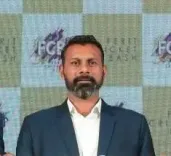
Social worker Nilesh Mandalewala from Surat has been recognized for his pioneering work in the organ donation movement in Gujarat.
A businessman, Mandalewala founded Donate Life after witnessing his father's prolonged battle with kidney disease.
Since 2005, his organization has facilitated the donation of 1,366 organs and tissues, saving over 1,200 patients' lives both in India and abroad, earning Surat the informal title of “Organ Donor City.”
Mandalewala stated to IANS that this Padma recognition signifies a transformation in the country’s honour system.
“Thanks to Prime Minister Narendra Modi’s leadership, these awards are reaching genuine heroes who work diligently for society,” he noted, viewing the recognition as motivation for volunteers and donor families.
The Padma Shri awards granted to these five Gujaratis highlight the ongoing national appreciation for India’s folk traditions and grassroots social initiatives, bringing longstanding contributions into the spotlight.
Point of View
It is essential to recognize such efforts that enhance community welfare and preserve traditions. The recognition of these individuals not only honors their legacy but also inspires future generations to engage in cultural and social initiatives.
NationPress
25/01/2026
Frequently Asked Questions
What is the Padma Shri award?
The Padma Shri is one of India's highest civilian honors, awarded to individuals for their exceptional service in various fields, including arts, social work, and public service.
Who are the recent Padma Shri awardees from Gujarat?
This year, five individuals from Gujarat received the Padma Shri, including folk storyteller Dharamiklal Pandya, dholak player Hajibhai Mir, and social worker Nilesh Mandalewala.
What contributions did Dharamiklal Pandya make?
Dharamiklal Pandya has preserved the ancient tradition of narrative storytelling through the Manbhatt art form, delivering over 2,500 performances and addressing social themes.
What is Nilesh Mandalewala known for?
Nilesh Mandalewala is recognized for pioneering the organ donation movement in Gujarat, saving over 1,200 lives through his organization, Donate Life.
Why is this recognition important?
The Padma Shri awards highlight the significance of cultural preservation and grassroots social initiatives, encouraging more individuals to contribute positively to society.