FSSAI proposes red front-of-pack warning labels on high-sugar, salt, fat foods
Synopsis
India's food regulator has proposed bold red warning labels on packaged foods high in sugar, salt, or fat — but only after the Supreme Court publicly rebuked FSSAI for prolonged inaction. With Nestle, PepsiCo, and Coca-Cola pushing back, and a two-week court deadline in play, this is a defining moment for consumer health rights in India.
Key Takeaways
FSSAI has proposed mandatory front-of-pack red warning labels on processed foods and beverages high in sugar , salt , or fat .
Labels will read 'HIGH FAT' , 'HIGH SUGAR' , 'HIGH SALT' , or 'HIGHLY SWEETENED BEVERAGE' to aid consumer decision-making.
The Supreme Court bench of Justice J.B.
Pardiwala and Justice K.
Vinod Chandran expressed 'profound dissatisfaction' with FSSAI's slow pace and granted a two-week deadline for a definitive framework.
Companies including Nestle , PepsiCo , and Coca-Cola have reportedly opposed the move, citing expected impact on sales.
The court rejected industry arguments that labels would penalise traditional Indian snacks, ruling that public health takes precedence over commercial interests.
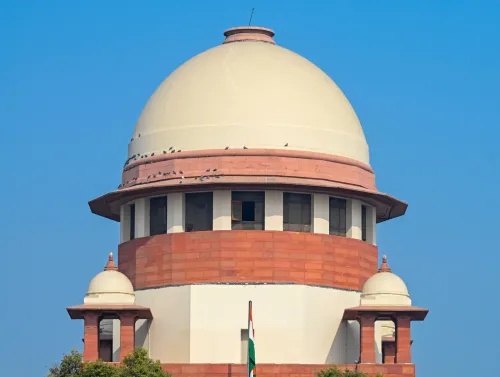
The Food Safety and Standards Authority of India (FSSAI) has proposed mandatory front-of-pack red warning labels on processed food and beverages high in sugar, salt, or fat, a move that could reshape how millions of Indian consumers read packaged products. The proposal was submitted before the Supreme Court of India, which is hearing petitions from health activists demanding label reforms on the lines of international best practices.
What the Proposed Labels Will Say
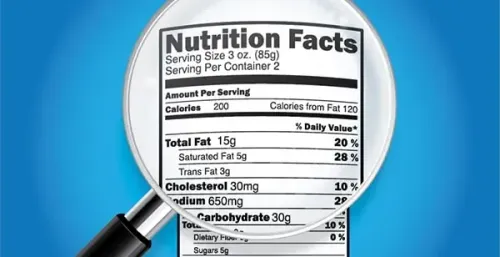
According to the FSSAI's court filing, the warning label will carry declarations such as 'HIGH FAT', 'HIGH SUGAR', 'HIGH SALT', and 'HIGHLY SWEETENED BEVERAGE' — displayed prominently on the front of the pack. The regulator stated the labels are designed 'to enable consumers to readily identify products high in the specified nutrients.' The red colour coding is intended to serve as an immediate visual alert, mirroring warning systems already in use in Chile, Mexico, and several other countries.
Supreme Court's Pressure on FSSAI
The proposal comes under direct judicial pressure. A Supreme Court bench comprising Justice J.B. Pardiwala and Justice K. Vinod Chandran expressed 'profound dissatisfaction' with the regulator's pace, questioning whether authorities genuinely prioritised the health of India's population. The bench warned that judicial orders would follow if the executive branch failed to act independently. Earlier this month, the court had directed FSSAI to expedite the rollout and granted a strict two-week window to establish a definitive framework. The court also rejected arguments that front-of-pack labels would unfairly penalise traditional Indian packaged snacks, observing that commercial interests cannot supersede public health imperatives.
Industry Opposition
Major food and beverage corporations — including Nestle, PepsiCo, and Coca-Cola — have reportedly opposed the proposed labelling regime, citing concerns over its potential impact on sales. The pushback from 'Big Food' mirrors resistance seen in other markets where similar regulations were introduced, though health advocates argue that consumer awareness ultimately benefits long-term public health outcomes.
Why This Matters for Public Health
The Supreme Court bench emphasised that transparent nutritional disclosures are critical to protecting citizens — particularly young children — from diet-linked diseases such as obesity, diabetes, and cardiovascular conditions. The judges specifically flagged the aggressive marketing of ultra-processed products to younger consumers as a concern that voluntary labelling alone cannot address. This is the latest in a series of regulatory interventions as India grapples with a growing non-communicable disease burden linked to processed food consumption.
What Happens Next
The FSSAI is expected to present a definitive framework to the Supreme Court within the two-week deadline set by the bench. If the regulator meets the court's timeline, mandatory red warning labels on high-risk packaged foods could move from proposal to enforceable rule within months. Compliance timelines for food manufacturers and the precise threshold values that trigger each label category are yet to be publicly detailed.
Point of View
Not regulatory initiative, to produce this proposal. FSSAI's submission is a response to judicial pressure, not a proactive public health move, which raises questions about the regulator's operational independence from industry. The opposition from Nestle, PepsiCo, and Coca-Cola is predictable, but the more telling signal is that the court had to explicitly reject the 'traditional snacks' argument — suggesting industry lobbying has already shaped the regulatory conversation. The real test will be whether the final framework sets thresholds that are scientifically robust or industry-friendly enough to dilute the label's impact.
NationPress
28 Aug 2026
Frequently Asked Questions
What is the FSSAI front-of-pack red warning label proposal?
FSSAI has proposed placing red warning labels on the front of packaged food and beverage products that are high in sugar, salt, or fat. The labels will carry text such as 'HIGH FAT', 'HIGH SUGAR', 'HIGH SALT', or 'HIGHLY SWEETENED BEVERAGE' to help consumers quickly identify nutritionally risky products.
Why is the Supreme Court involved in food labelling in India?
The Supreme Court is hearing public interest litigation filed by health activists seeking mandatory warning labels on packaged foods, similar to systems in Chile and Mexico. The court has expressed dissatisfaction with FSSAI's delays and issued a two-week deadline for the regulator to present a definitive framework.
Which companies are opposing the FSSAI warning label move?
Nestle, PepsiCo, and Coca-Cola are among the major food and beverage companies that have reportedly opposed the proposed red warning labels, arguing the move could negatively affect their sales.
Will traditional Indian packaged snacks be affected by the new labels?
The Supreme Court has rejected arguments that front-of-pack warning labels would unfairly penalise traditional Indian packaged snacks, ruling that public health imperatives take precedence over commercial interests. Products meeting the high-sugar, high-salt, or high-fat thresholds would be required to carry the labels regardless of category.
When will the FSSAI food warning labels come into effect?
FSSAI has been given a two-week deadline by the Supreme Court to establish a definitive regulatory framework. Exact implementation timelines and the nutrient thresholds that will trigger each label category have not yet been publicly announced.