Nepal tragedy a warning for Kashmir: Mirwaiz Umar on Himalayan ecology
Synopsis
At Srinagar's Jama Masjid, Mirwaiz Umar Farooq did not just mourn Nepal — he issued a direct warning: Kashmir is next if reckless road-cutting, wetland encroachment, and unchecked tourism infrastructure continue. With Dal Lake already shrinking and cloudbursts intensifying, he framed environmental protection as both a Quranic duty and a matter of survival.
Key Takeaways
Mirwaiz Umar Farooq called the Nepal disaster a warning for the entire Himalayan region during his Friday sermon on 28 August at Jama Masjid, Srinagar .
He warned that mountain road-blasting, tree-felling, and construction in ecologically sensitive zones are amplifying natural disaster risk in Jammu and Kashmir .
The Mirwaiz cited Dal Lake's shrinking size as direct evidence of environmental neglect caused by encroachment and construction.
He appealed to citizens and authorities not to build on wetlands, calling them 'natural buffers that absorb excess water and protect human settlements.' Quoting the Holy Qur'an , he framed environmental stewardship as a collective moral responsibility for authorities, businesses, and citizens alike.
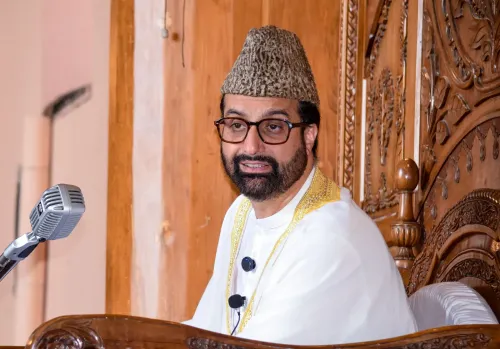
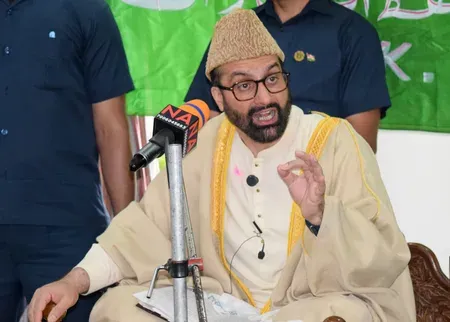
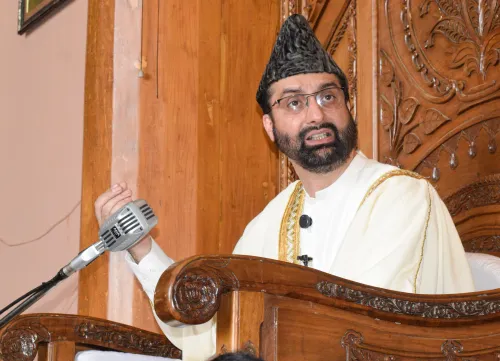
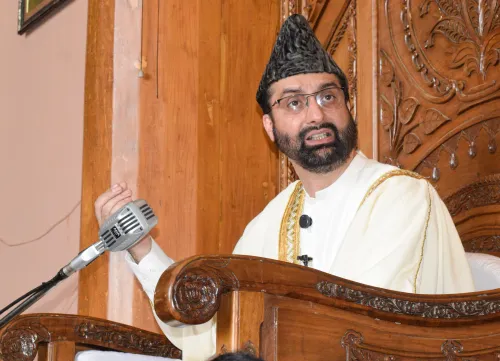
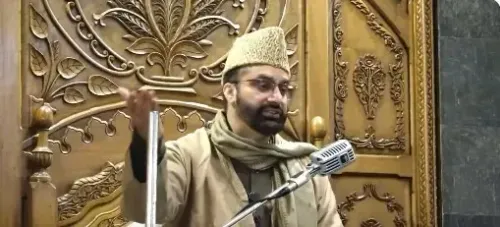
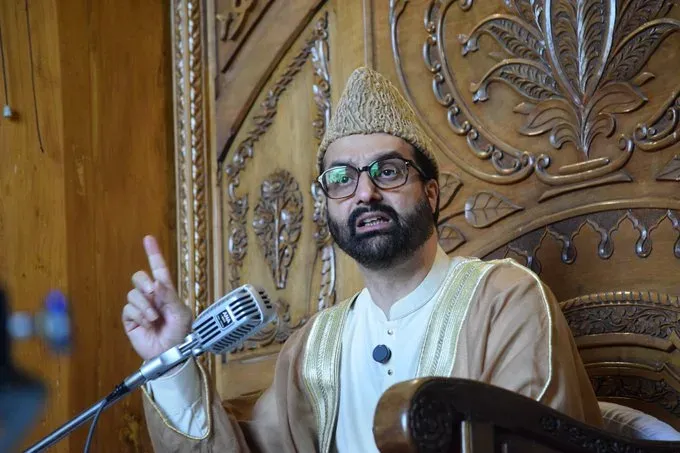
Jammu and Kashmir's chief cleric Mirwaiz Umar Farooq on Friday, 28 August described the ongoing Nepal disaster as a stark warning, urging authorities, planners, and citizens alike to strike a balance between development and environmental preservation before the consequences become irreversible. He made the remarks during the Friday congregational sermon at the historic Jama Masjid in the Nowhatta area of Srinagar.
Nepal Disaster as a Mirror for the Himalayan Belt
Mirwaiz Umar said the devastation unfolding in Nepal and across the broader Himalayan region should concern everyone. 'They are warnings of how vulnerable our mountain ecosystems have become as glaciers collapse,' he said. He extended solidarity with the people of Nepal, praying for those who had lost their lives and for the safety of those still missing.
Crucially, he drew a direct line from Nepal's crisis to Jammu and Kashmir's own situation. 'We are already seeing more intense rainfall, cloudbursts, flash floods and landslides,' he noted, adding that climate change is undoubtedly a major factor — but not the only one.
Reckless Development Amplifying Natural Risk
The Mirwaiz argued that human activity is compounding the threat. He warned that mountains are being cut and blasted for roads, trees are being felled, and hotels and buildings are coming up in ecologically sensitive areas, while natural drainage channels are being disturbed. 'If this continues without proper scientific and environmental safeguards, we are creating conditions for far greater disasters in the future,' he cautioned.
He also flagged the continued encroachment of wetlands, lakes, and flood channels as equally worrying. 'I appeal to people not to occupy or build upon these areas. Wetlands are not unused land; they are natural buffers that absorb excess water and protect human settlements,' he said.
Dal Lake as a Case Study in Neglect
Pointing to a visible example close to home, the Mirwaiz cited the condition of Dal Lake in Srinagar. 'We have only to look at the condition of our own Dal Lake to understand how prolonged encroachment, construction and environmental neglect can damage a precious natural system. It is shrinking day by day while we look the other way as if it's no concern of ours,' he said.
The Dal Lake has faced decades of encroachment, sewage inflow, and weed proliferation, with multiple government restoration efforts yielding only partial results. The Mirwaiz's reference underscores how the crisis is not abstract — it is already visible in Kashmir's most iconic water body.
Collective Responsibility and a Quranic Imperative
Drawing on religious authority, the Mirwaiz quoted the Holy Qur'an: 'And do not cause corruption on the earth after it has been set in order.' He framed environmental protection not as a policy matter alone but as a moral and collective responsibility — one that binds authorities, businesses, planners, and ordinary citizens equally.
'The tragedy in Nepal must be seen as a warning close to home. We too live in the Himalayas. If we continue to disturb the natural balance of our mountains, forests, wetlands and waterways, the consequences may one day be irreversible,' he said. Protecting the environment, he stressed, is ultimately about protecting lives, homes, and the future of the next generation.
Point of View
Local consequence. The question mainstream coverage often misses is whether such appeals — however morally authoritative — translate into enforceable land-use policy, or remain sermons in the truest sense.
NationPress
13 Oct 2026
Frequently Asked Questions
What did Mirwaiz Umar Farooq say about the Nepal tragedy?
Mirwaiz Umar Farooq described the Nepal disaster as a warning for the entire Himalayan region, including Jammu and Kashmir, during his Friday sermon on 28 August at Jama Masjid in Srinagar. He said the devastation reflects how vulnerable mountain ecosystems have become, and called for a balance between development and environmental preservation.
Why did the Mirwaiz mention Dal Lake in his sermon?
He cited Dal Lake as a local example of how prolonged encroachment, construction, and environmental neglect can damage a natural system, noting that the lake is shrinking day by day. The reference was intended to show that ecological damage from unchecked development is already visible in Kashmir, not just in distant Nepal.
What specific environmental concerns did the Mirwaiz raise about Kashmir?
He flagged mountain road-blasting, tree-felling, hotel and building construction in ecologically sensitive zones, disturbance of natural drainage channels, and encroachment of wetlands and flood channels. He warned that without scientific and environmental safeguards, these activities are creating conditions for far greater disasters.
Who did the Mirwaiz hold responsible for environmental protection?
He placed collective responsibility on authorities, planners, businesses, and ordinary citizens. He also invoked a Quranic verse — 'And do not cause corruption on the earth after it has been set in order' — framing environmental stewardship as a moral and religious duty, not just a policy matter.
What is Mirwaiz Umar Farooq's role in Jammu and Kashmir?
Mirwaiz Umar Farooq is Jammu and Kashmir's senior religious leader and chief cleric, and chairs the Hurriyat Conference. He delivers the Friday congregational sermon at the historic Jama Masjid in Srinagar's Nowhatta area, one of the most prominent religious platforms in the region.