Mirwaiz Umar Farooq: Mosques, khanqahs must drive social reform
Synopsis
Kashmir's chief cleric Mirwaiz Umar Farooq is pushing mosques, khanqahs, and imambaras to move beyond prayer and become engines of social reform — citing moral decline, materialism, and the erosion of community bonds as challenges that only trusted faith institutions can meaningfully address in the Valley today.
Key Takeaways
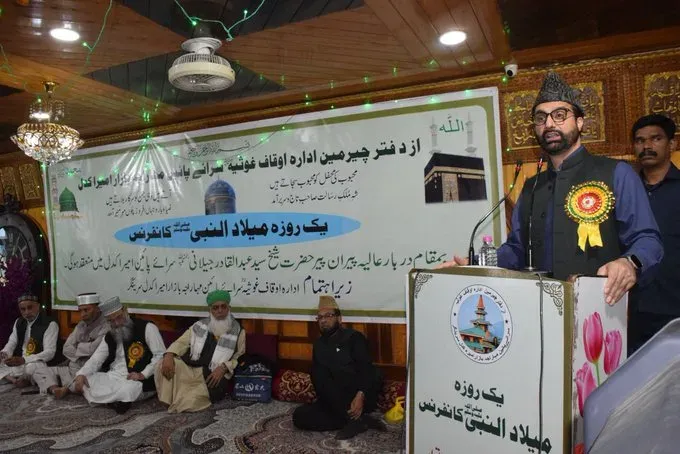
Mirwaiz Umar Farooq addressed a religious function in Srinagar on 17 May , calling for mosques, khanqahs, and imambaras to serve as centres of social reform.
He cited moral decline, domestic discord, rising materialism , and weakening family bonds as urgent challenges requiring religious institutions to step up.
The Mirwaiz called for protection of Kashmir's religious identity, culture, language, and spiritual heritage .
He invoked the life of the Holy Prophet , urging Muslims to reflect values of justice, compassion, and accountability in everyday conduct — not just in commemorative gatherings.
Kashmir's religious institutions have historically nurtured coexistence, tolerance, and social responsibility , traditions the Mirwaiz said must be actively strengthened.
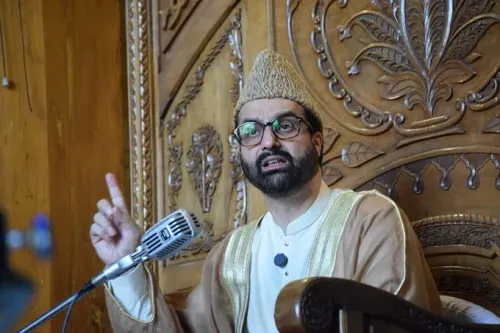
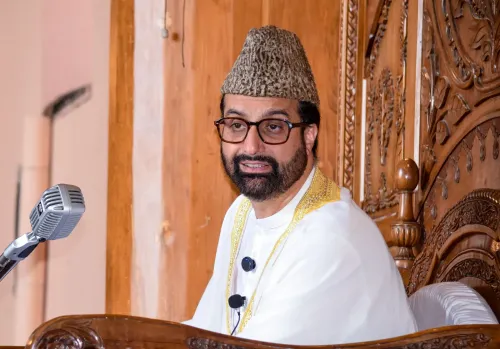
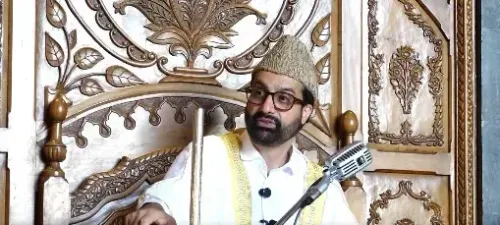
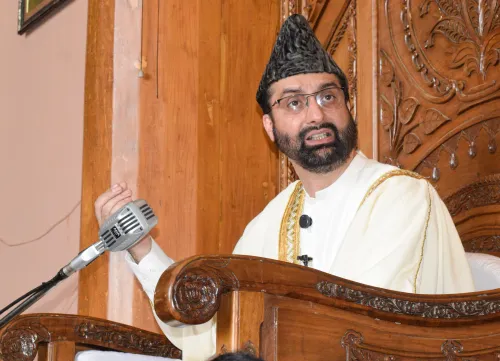
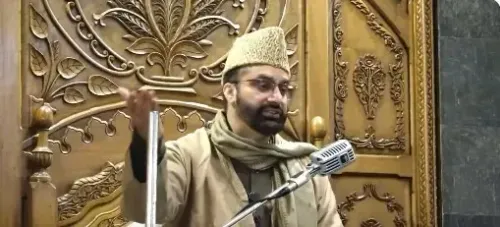
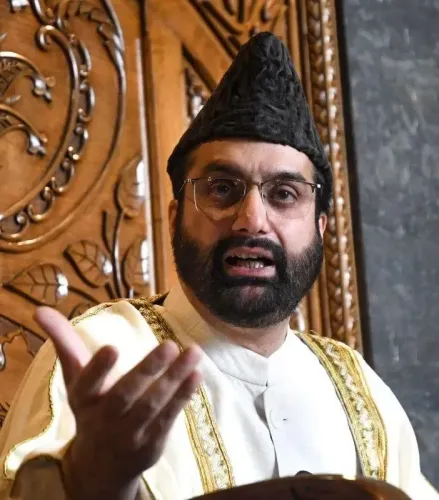
Kashmir's chief Islamic cleric Mirwaiz Umar Farooq on Sunday, 17 May called on mosques, khanqahs, and imambaras across the Valley to reclaim their historical role as centres of social reform, moral guidance, and communal unity. Addressing a religious function in Srinagar, he argued that these institutions must do far more than serve as spaces for prayer.
The Core Appeal
Mirwaiz Umar drew on Islamic history to make his case, stating that mosques, khanqahs, and imambaras have long functioned as hubs of learning, reform, and social transformation — not merely ritual observance. He said these institutions historically shaped moral consciousness and strengthened communal harmony in the face of ethical and social challenges.
'Our mosques, khanqahs and imambaras must become centres for initiating positive change and reform within society. They should guide the younger generation, spread awareness, strengthen moral values and help address the problems affecting our people,' he said.
Challenges Driving the Call
The Mirwaiz identified a cluster of contemporary pressures making this revival urgent: moral decline, domestic discord, rising materialism, and the erosion of family and community bonds. He said these issues demand collective introspection and sustained social engagement — not responses that religious institutions can afford to leave to the state or civil society alone.
Notably, the appeal comes at a time when Kashmir continues to navigate complex political, cultural, and social transitions, lending his remarks a resonance beyond the purely theological.
Preserving Identity and Heritage
Mirwaiz Umar also underscored the role these institutions must play in safeguarding Kashmiri identity. 'We have to strive to safeguard our religious identity, our culture, our language, our moral values, and our spiritual heritage. These institutions have always acted as centres of guidance and reform and must continue to play that role with renewed commitment,' he said.
He described Kashmir's religious and spiritual institutions as historically nurturing values of coexistence, tolerance, spirituality, and social responsibility — traditions he said must be actively preserved rather than allowed to fade.
The Prophet's Example as a Blueprint
Referring to the life and teachings of the Holy Prophet, Mirwaiz Umar said that commemoration through gatherings and speeches is insufficient. He called on Muslims to reflect the Prophet's principles — justice, compassion, honesty, accountability, and service to humanity — in individual conduct and collective social behaviour. He said the Prophet established a society built on these values, and contemporary Muslims must strive to embody them in daily life.
What This Signals
The address reflects a broader push by religious leadership in the Valley to reposition faith institutions as active agents of social change rather than passive spaces of worship. As Kashmir's younger generation faces mounting cultural and moral pressures, the Mirwaiz's call for structured guidance from within religious institutions points to a recognised gap that community leaders believe only these trusted spaces can fill.
Point of View
Domestic discord, and identity erosion — rather than political grievances — he is steering Kashmir's religious discourse toward inward reform at a moment when the Valley's public conversation is often pulled outward. The call to reactivate khanqahs and imambaras as reform centres also implicitly acknowledges that these institutions have lost ground to more passive roles. Whether the speech translates into structured programmes or remains an aspirational address will determine its real impact.
NationPress
24 Sept 2026
Frequently Asked Questions
What did Mirwaiz Umar Farooq say about mosques and khanqahs?
Mirwaiz Umar Farooq called for mosques, khanqahs, and imambaras in Kashmir to function as active centres of social reform, moral guidance, and communal unity — not just spaces for prayer. He made the appeal at a religious function in Srinagar on 17 May.
Why did the Mirwaiz make this appeal?
He cited growing challenges including moral decline, domestic discord, rising materialism, and the weakening of family and community bonds as reasons why religious institutions must take a more active role in guiding society.
What role did the Mirwaiz say these institutions played historically?
He said mosques, khanqahs, and imambaras have historically served as centres of learning, reform, and social transformation in Islamic history, shaping moral consciousness and strengthening communal harmony.
How did Mirwaiz Umar connect the Prophet's teachings to present-day Kashmir?
He said the Holy Prophet's life and teachings must be reflected in individual conduct and collective behaviour — not just commemorated in gatherings. He described the Prophet as having established a society based on justice, compassion, honesty, accountability, and service to humanity.
What aspects of Kashmiri identity did the Mirwaiz call to protect?
Mirwaiz Umar specifically called for the safeguarding of Kashmir's religious identity, culture, language, moral values, and spiritual heritage, urging religious institutions to lead this effort with renewed commitment.