Flydubai FZ1073 would have crashed without third pilot, says FIP chief

Synopsis
A third pilot on board flydubai flight FZ1073 was the only thing standing between a mid-air catastrophe and a safe landing, according to FIP President Captain C.S. Randhawa. With terrorism, suicide, and CRM failure all on the table as possible causes, flight recorders are now the key to unlocking what really happened inside that cockpit — and the incident is already sparking demands for mandatory psychometric testing of pilots in India.
Key Takeaways
FIP President Captain C.S.
Randhawa says flydubai flight FZ1073 would have crashed without a third pilot who safely landed the aircraft.
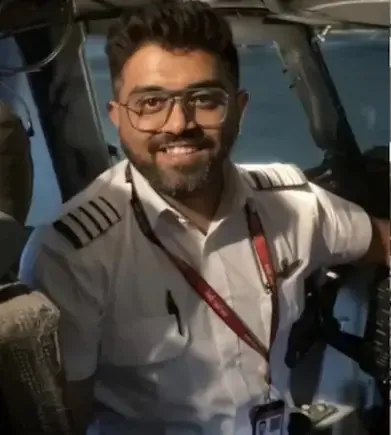
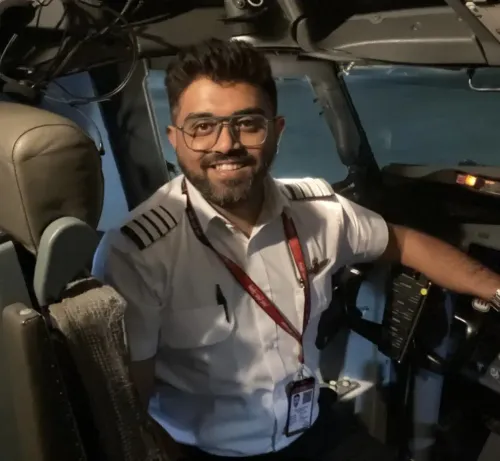
Indian pilot Captain Smit Machchhar was attacked by his co-pilot mid-air on the flight.
Both the cockpit voice recorder and digital flight data recorder are expected to be central to the investigation.
Randhawa cautioned it is 'premature' to declare terrorism, citing the need to establish the co-pilot's links and intent first.
The FIP chief has called for mandatory psychometric testing of pilots in India, describing the incident as 'a big eye-opener for the world.' Randhawa noted he has not encountered cockpit bloodshed of this kind in his 50-year aviation career .
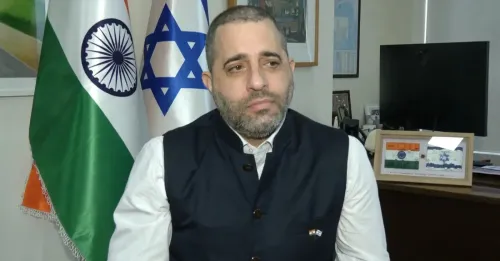
Federation of Indian Pilots (FIP) President Captain C.S. Randhawa on Thursday, 1 October 2026 said that flydubai flight FZ1073 — on which Indian pilot Captain Smit Machchhar was attacked by his co-pilot mid-air — would have crashed had a third pilot not been present to safely land the aircraft. Randhawa said he had never encountered such an incident of violence inside a cockpit in his 50-year aviation career.
What the Third Pilot's Presence Prevented
'If a third pilot was not present, the aircraft would have crashed,' Randhawa said unequivocally. He elaborated on the physical dangers during the mid-air altercation: 'During the brawl in the cockpit, one of the pilots might have unstrapped himself, and if one of them had hit his leg on the control column, the autopilot mode would have dropped, and the aeroplane would have steeply descended.' He added that the pilot who overpowered the attacker and the one who safely landed the aircraft both 'deserve praise,' noting that 'a few more seconds and the plane could have crashed.'
Key Evidence Investigators Will Examine
Randhawa outlined the critical role of two flight recorders in establishing a clear sequence of events. The cockpit voice recorder (CVR), he explained, will identify which pilot was speaking and when — captured via boom microphones — while overhead microphones may have recorded passenger voices during the chaos. The digital flight data recorder will reveal altitude, descent patterns, and which pilot's inputs initiated any deviations. 'It is a very important piece of evidence to establish when this whole thing started,' he said. Together, these recordings are expected to form the evidentiary backbone of the official inquiry.
Terrorism Theory: Premature but Serious
Randhawa acknowledged that theories of terrorism have already surfaced but cautioned strongly against premature conclusions. 'I think it is premature to say that there was an act of terror, because that has to be established. And if that is the case, it becomes extremely serious because then investigators will have to search the co-pilot's link with any organisation or what his intention was,' he said. He also flagged the possibility of a suicide attempt as another line of inquiry, stressing that all conclusions must await the completion of the official investigation. A possible crew resource management (CRM) failure is a third avenue being considered, he added.
The Build-Up: How Cockpit Conflicts Escalate
According to Randhawa, altercations of this nature rarely erupt without prior tension. 'Any topic begins with an argument, then it gets physical; at the third stage the person resorts to using a weapon,' he said, suggesting the confrontation between the two pilots may have been building over time. This pattern, he noted, underscores the need for structured monitoring of crew interpersonal dynamics well before a flight departs.
Call for Mandatory Psychometric Testing of Pilots
Randhawa used the incident to call for systemic reform in aviation safety protocols, particularly regarding pilot mental health screening. 'Psychometric tests of pilots need to be carried out on a regular basis to know about their mental condition, whether they are under some kind of stress or not,' he said. He specifically urged Indian aviation authorities to introduce such tests, calling the incident 'a big eye-opener for the world.' Regular psychometric assessments are standard in some international aviation systems but remain inconsistently applied across carriers. The FZ1073 incident, Randhawa argued, makes their adoption in India no longer optional.
Point of View
The question India's Directorate General of Civil Aviation will have to answer is why the warning signs are not being caught on the ground.
NationPress
1 Oct 2026
Frequently Asked Questions
What happened on flydubai flight FZ1073?
Indian pilot Captain Smit Machchhar was attacked by his co-pilot on board flydubai flight FZ1073. A third pilot present on the flight overpowered the attacker and safely landed the aircraft, averting what the Federation of Indian Pilots has described as a near-certain crash.
Why does FIP say the plane would have crashed without the third pilot?
FIP President Captain C.S. Randhawa explained that during the cockpit brawl, an unstrapped pilot could have accidentally hit the control column, causing the autopilot to disengage and the aircraft to descend steeply. With both primary pilots incapacitated or engaged in the fight, no one would have been able to recover the aircraft without the third pilot's intervention.
Is terrorism being investigated as a possible cause?
Terrorism is one of several theories under consideration, but FIP President Randhawa has cautioned that it is 'premature' to confirm it. Investigators would need to establish the co-pilot's links to any organisation and determine intent before such a conclusion can be drawn.
What role will the flight recorders play in the investigation?
The cockpit voice recorder will identify which pilot spoke and when, potentially capturing the onset of the altercation. The digital flight data recorder will show altitude, descent patterns, and control inputs, helping investigators determine whose actions triggered any deviation from normal flight.
What safety reforms is the FIP calling for following this incident?
FIP President Randhawa has called for mandatory and regular psychometric testing of pilots in India to assess their mental health and stress levels. He described the FZ1073 incident as 'a big eye-opener for the world' and urged Indian aviation authorities to act on this recommendation without delay.