Sonowal marks Janjatiya Gaurav Diwas in Assam's Bajali
Synopsis
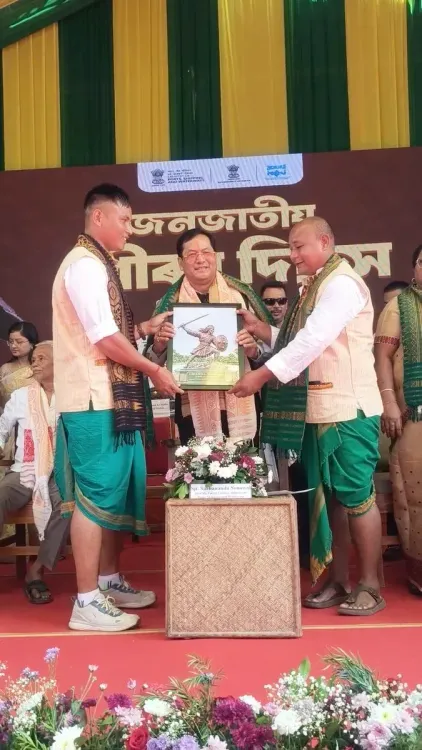
Union Minister Sarbananda Sonowal joined Janjatiya Gaurav Diwas celebrations at a school ground in Bajali district, Assam on 15 November 2026, marking Birsa Munda's birth anniversary and pledging to build India on the ideals of tribal heroism and sacrifice.
Key Takeaways
Sarbananda Sonowal , Union Minister of Ports, Shipping and Waterways, attended Janjatiya Gaurav Diwas in Bajali district, Assam on 15 November 2026 .
The event was held at Bandhsidhani Middle English School ground in Pathshala , a grassroots community venue.
Janjatiya Gaurav Diwas was instituted by the Government of India in 2021 to mark tribal icon Birsa Munda's birth anniversary every 15 November.
Birsa Munda led the Munda Ulgulan rebellion against British colonial rule in the 19th century and is revered as 'Dharti Aaba' across tribal communities.
The annual observance reflects the central government's sustained effort to honour tribal freedom fighters and strengthen outreach among India's 10-crore-plus Scheduled Tribe population.
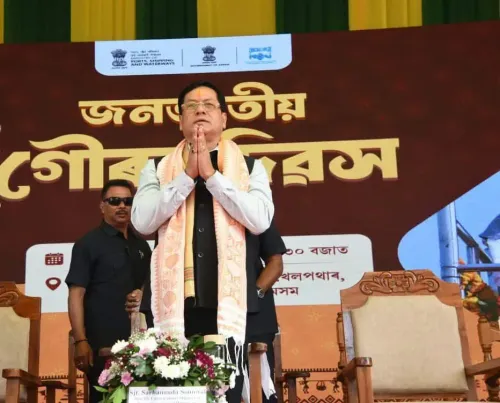
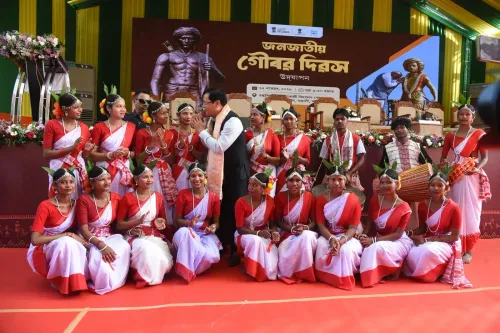
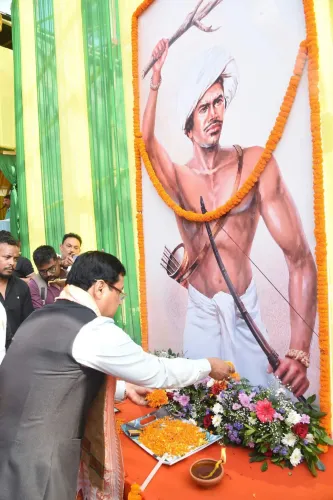
On the birth anniversary of tribal icon Birsa Munda, Union Ports and Shipping Minister Sarbananda Sonowal joined communities in Assam's Bajali district on 15 November 2026 to mark Janjatiya Gaurav Diwas — reaffirming a pledge to build an India shaped by the bravery, dedication, and sacrifice Birsa Munda embodied.
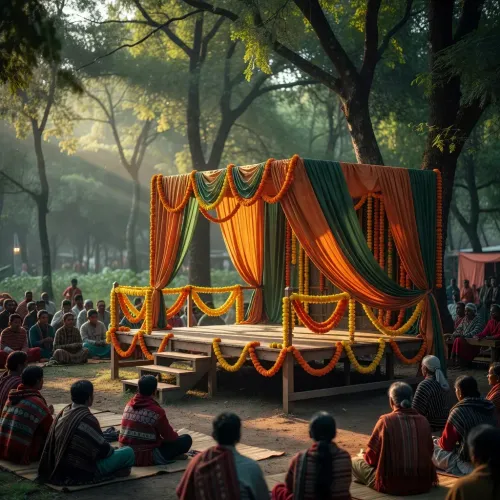
Sonowal attended the programme organised at Bandhsidhani Middle English School ground in Pathshala, Bajali district, sharing what he called 'some special moments' from the event. In his Assamese-language post, he wrote of the resolve to build a progressive India guided by Birsa Mundaৰ বীৰত্ব, কৰ্মনিষ্ঠা আৰু ত্যাগৰ আদৰ্শ — the ideals of Birsa Munda's heroism, dedication and sacrifice.
Who Birsa Munda was — and why November 15 matters
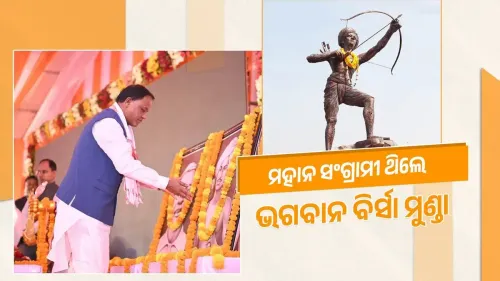
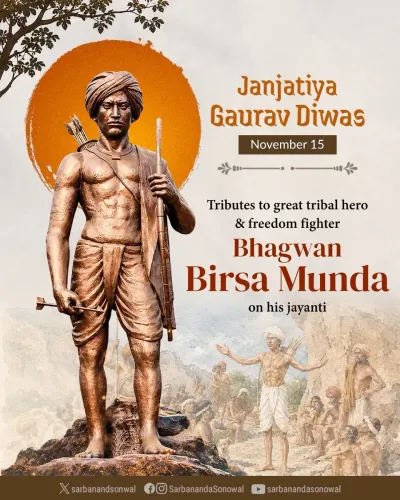
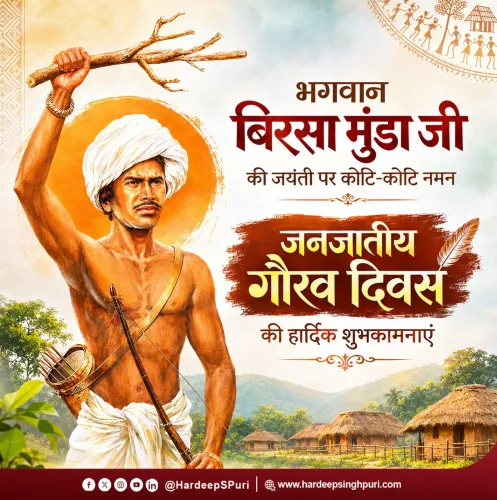
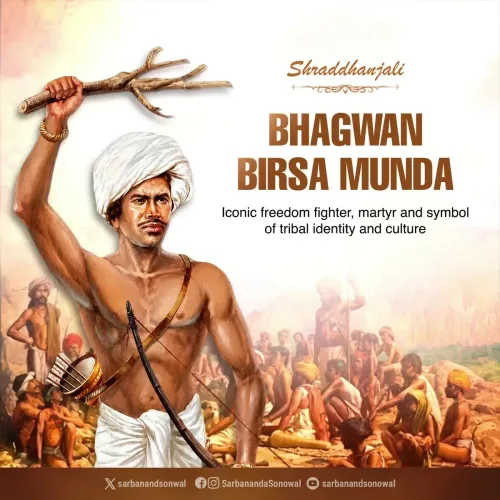
Birsa Munda, born on 15 November 1875 in present-day Jharkhand, led the Munda Ulgulan — the great rebellion — against British colonial land seizures and exploitation of tribal communities. He died in custody in 1900 at just 25, but his legacy as 'Dharti Aaba' (Father of the Earth) endures as a defining symbol of tribal resistance and dignity across India.
The Government of India formally instituted Janjatiya Gaurav Diwas on 15 November 2021 to commemorate Birsa Munda's birth anniversary and honour the broader contributions of tribal freedom fighters to the national movement. The annual observance now anchors state-level and district-level programmes across the country, particularly in regions with significant Scheduled Tribe populations.
Bajali's school ground and the northeastern outreach
Bajali district in western Assam, with its sizable Adivasi and tribal communities, served as the venue for Sunday's gathering. Ministers from tribal or northeastern backgrounds are frequently part of these district-level programmes — a deliberate effort to connect regional tribal histories with the national freedom movement narrative. Sonowal, as a senior leader from Assam and a former Chief Minister of the state, carries particular resonance for communities in the region.
The choice of a school ground as venue — Bandhsidhani Middle English School — signals a grassroots intent: reaching students and local families rather than staging events purely for the political calendar.
India's tribal communities number over 10 crore, and the sustained annual momentum around Janjatiya Gaurav Diwas reflects a broader political and cultural investment in that constituency — one that spans development schemes, heritage projects, and symbolic recognition alike. The question going forward is whether the observances translate into measurable progress on tribal welfare indices, land rights, and educational access.
Point of View
Especially those from northeastern or tribal backgrounds, to district-level events, the party reinforces its narrative of inclusive nationalism beyond urban centres. Sonowal's presence in Bajali underlines Assam's continuing importance as a northeastern anchor state where tribal identity and electoral arithmetic intersect. The long-term credibility of these observances will ultimately rest on whether policy commitments on tribal land rights, education, and healthcare keep pace with the symbolism.
NationPress
15 Nov 2026
Frequently Asked Questions
What is Janjatiya Gaurav Diwas and when is it observed?
Janjatiya Gaurav Diwas is a national observance held every year on 15 November to mark the birth anniversary of tribal leader Birsa Munda and honour the contributions of tribal freedom fighters to India's independence movement. The Government of India formally instituted it in 2021 .
Why is Birsa Munda significant to India's tribal communities?
Birsa Munda (born 15 November 1875 ) led the Munda Ulgulan , a major rebellion against British colonial land seizures in present-day Jharkhand . Revered as 'Dharti Aaba' (Father of the Earth), he is the foremost symbol of tribal resistance and dignity in India.
Where did Sarbananda Sonowal attend Janjatiya Gaurav Diwas in 2026?
Sonowal attended the programme at Bandhsidhani Middle English School ground in Pathshala, Bajali district, Assam on 15 November 2026 .
Who is Sarbananda Sonowal?
Sarbananda Sonowal is the Union Minister of Ports, Shipping and Waterways , a senior BJP leader, and a former Chief Minister of Assam .
Which district in Assam hosted the 2026 Janjatiya Gaurav Diwas event attended by Sonowal?
The event was held in Bajali district , western Assam, at a school ground in the Pathshala area.