Giriraj Singh champions Kutch handicrafts and handloom heritage
Synopsis
Union Textiles Minister Giriraj Singh reaffirmed the government's commitment to Kutch's centuries-old handloom and handicraft traditions, calling them a cultural priority and pledging new opportunities for artisans across the country.
Key Takeaways
Union Textiles Minister Giriraj Singh posted on 15 November 2026 reaffirming support for Kutch handicrafts and handlooms.
He called the crafts an 'invaluable identity of cultural heritage' and said connecting artisans to new opportunities is a ministry priority.
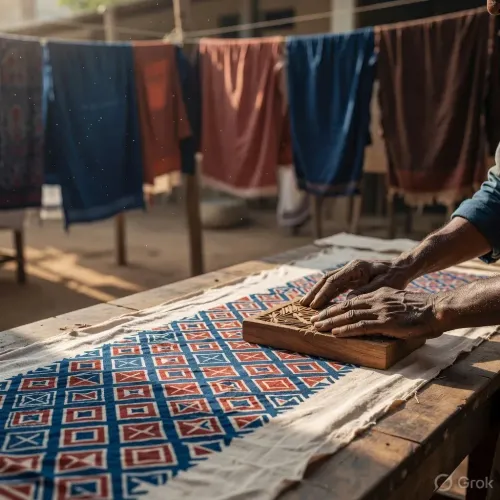
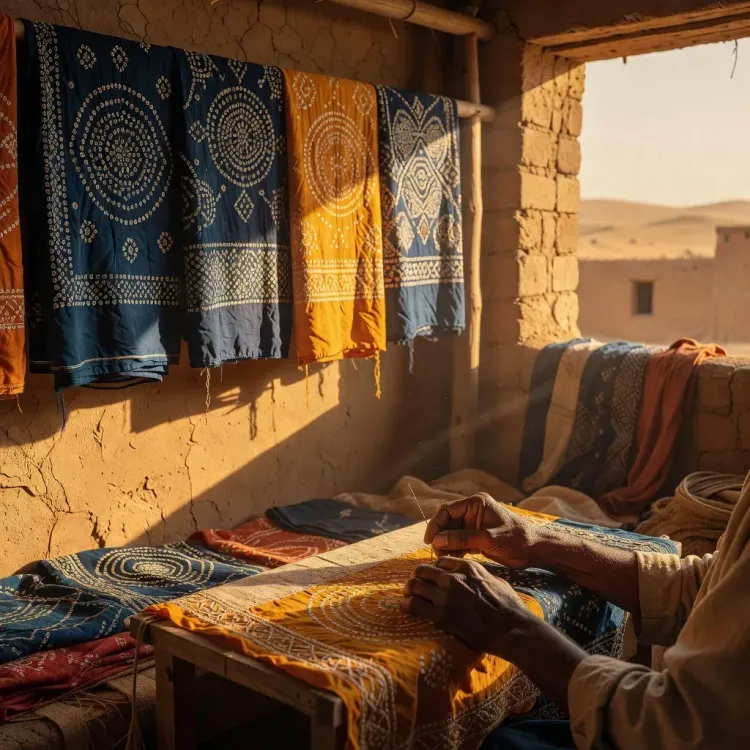
Kutch is home to major craft traditions including Bandhani , Ajrakh block printing, and rare Rogan art .
Several Kutch crafts are protected under the Geographical Indications of Goods Act, 1999 , enabling premium market access.
The Ministry of Textiles has historically supported artisan clusters through welfare schemes, craft melas, and market-linkage programmes.
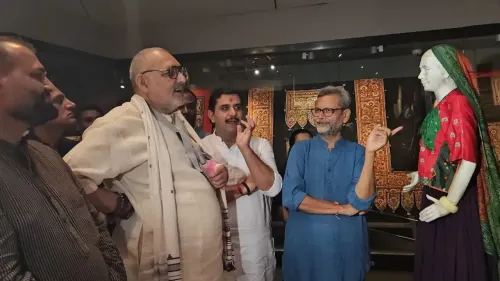
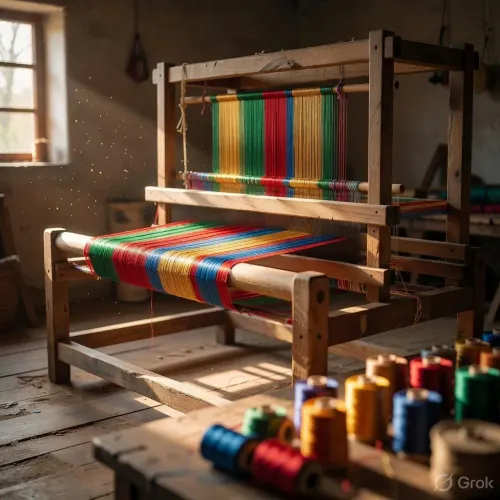
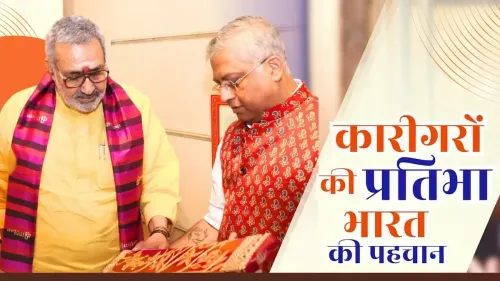
Centuries of craft, stitched into every thread — and now, a Union Minister's public pledge to take it national. Union Textiles Minister Giriraj Singh on Sunday, 15 November 2026 reaffirmed the government's commitment to promoting the rich handloom and handicraft traditions of Kutch, Gujarat, calling them an 'invaluable identity of our cultural heritage.'
Posting on X, Singh wrote: 'कच्छ की समृद्ध हस्तकला और हथकरघा हमारी सांस्कृतिक विरासत की अनमोल पहचान हैं' — 'Kutch's rich handicrafts and handlooms are the priceless identity of our cultural heritage.' He added that connecting artisans to new opportunities and securing nationwide recognition for their skills is a 'priority' of the Ministry.
What makes Kutch a craft powerhouse
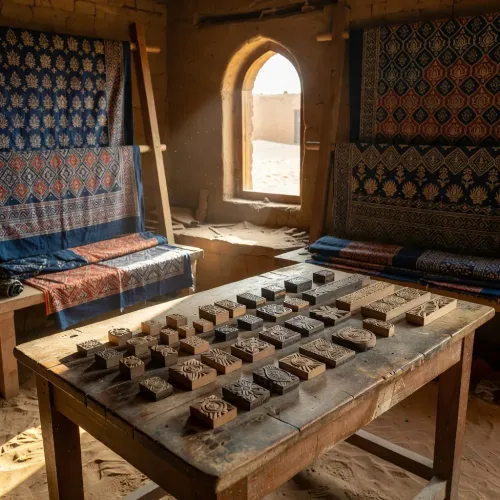
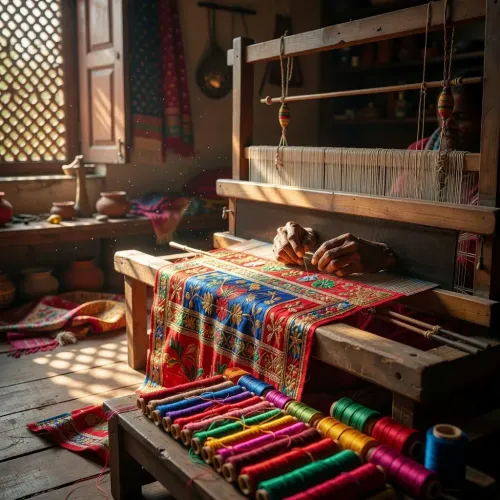
Kutch is home to one of India's most diverse concentrations of traditional crafts — intricate embroidery, Bandhani tie-and-dye textiles, Ajrakh block printing, and the rare Rogan art, where castor-oil-based paint is hand-spun into elaborate patterns without the brush ever touching the cloth. These are not merely decorative traditions; they are generational livelihoods, passed down within families and artisan clusters across the Rann of Kutch.
Several of these crafts have received legal protection under the Geographical Indications of Goods Act, 1999, which grants registered crafts a GI tag — a mark that restricts imitation and signals authenticity to buyers in domestic and export markets. GI status is widely seen as a first step toward premium market access.
Ministry's push for artisan market linkages
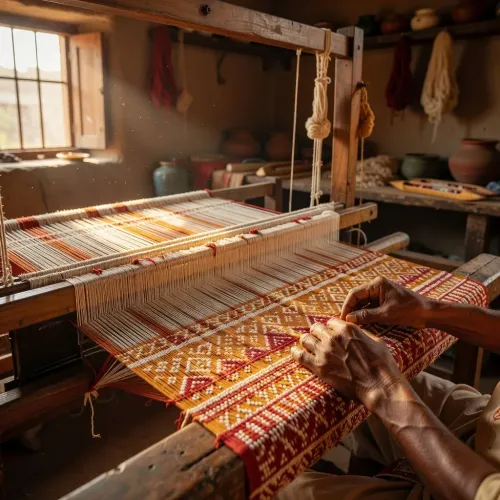
Singh's statement aligns with a long-standing policy approach at the Ministry of Textiles: treating handlooms and handicrafts simultaneously as cultural assets and engines of rural employment. The Ministry has historically channelled support through welfare schemes, craft melas, and market-linkage programmes designed to pull artisans out of dependency on middlemen and into direct consumer markets.
The Minister's emphasis on 'creativity and skill preserved across generations' signals a continued focus on this dual mandate — protecting heritage while making it economically viable. Kutch artisans, who survived the devastating 2001 earthquake and rebuilt their craft clusters from the ground up, represent precisely this resilience the government has sought to highlight.
With the next Union Budget cycle approaching, attention will fall on whether fresh allocations for handloom and handicraft schemes follow ministerial statements like this one — and whether any new GI applications or dedicated craft expos for Kutch are in the pipeline.
Point of View
Championing Kutch fits neatly into the BJP government's 'vocal for local' positioning, which links artisan welfare to national identity. The real test, however, will be whether this rhetoric translates into measurable Budget allocations and new GI registrations in the next fiscal cycle. Without that follow-through, statements of this kind risk remaining aspirational rather than transformative.
NationPress
15 Nov 2026
Frequently Asked Questions
What handicrafts is Kutch famous for?
Kutch is famous for intricate embroidery, Bandhani tie-and-dye textiles, Ajrakh block printing, and the rare Rogan art — a tradition where castor-oil-based paint is hand-spun into elaborate patterns.
What did Giriraj Singh say about Kutch artisans?
Union Textiles Minister Giriraj Singh called Kutch's handlooms and handicrafts an 'invaluable identity of our cultural heritage' and said connecting artisans to new opportunities and securing national recognition for their skills is a government priority.
What is a GI tag and do Kutch crafts have one?
A Geographical Indication (GI) tag, granted under the Geographical Indications of Goods Act 1999, legally protects a product's regional origin and authenticity. Several Kutch crafts have received GI protection, helping them access premium domestic and export markets.
What does the Ministry of Textiles do for handloom weavers?
The Ministry of Textiles supports handloom weavers and handicraft artisans through welfare schemes, market-linkage programmes, craft expos, and GI registration drives aimed at reducing dependence on middlemen and expanding direct market access.
What is Rogan art from Kutch?
Rogan art is a rare craft from Kutch, Gujarat, in which castor-oil-based paint is hand-spun into elaborate decorative patterns on fabric without the brush ever touching the cloth — a tradition now practised by very few families.