Jal Shakti Minister Paatil joins Chhath Puja at Surat's Dindoli
Synopsis
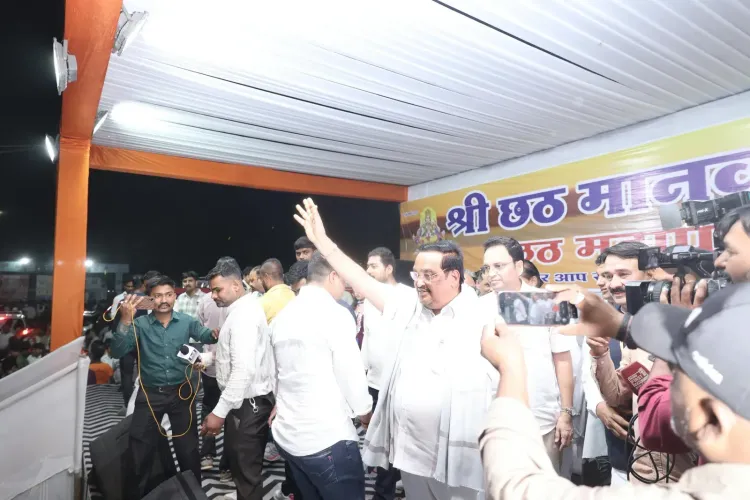
Union Jal Shakti Minister C. R. Paatil joined Chhath Puja celebrations at Surat's Dindoli on November 15, 2026, calling the devotees' faith and discipline the greatest strength of India's folk culture.
Key Takeaways
Union Jal Shakti Minister C.
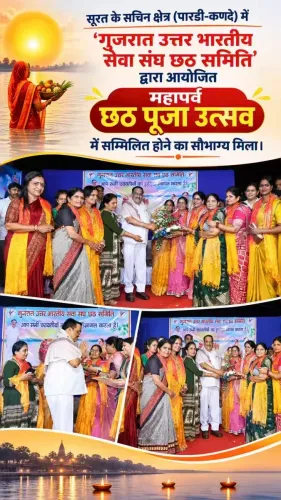
Paatil attended Chhath Puja at Chhath Sarovar, Dindoli, Surat on November 15, 2026 .
The minister witnessed the evening arghya ritual — offerings of water to the setting Sun — a defining moment of the Chhath cycle.
Paatil described the devotees' faith, discipline and dedication as 'the greatest strength of our folk culture.' Chhath Puja , rooted in Bihar and eastern UP, has grown significantly in Surat due to the city's large migrant population.
The minister extended wishes to all devotees, organisers and pilgrims, invoking the blessings of Suryanarayan and Chhathi Maiya .
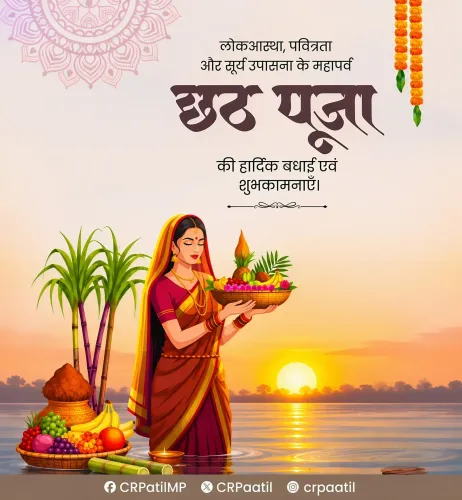
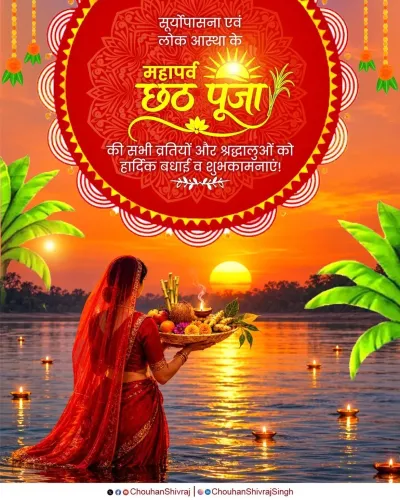
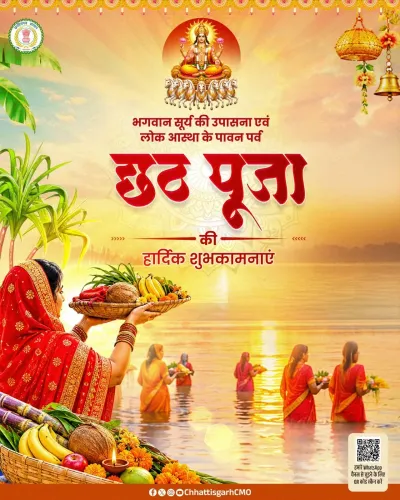
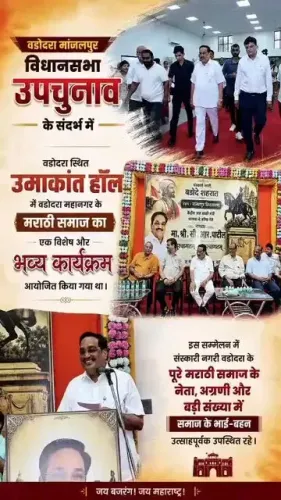
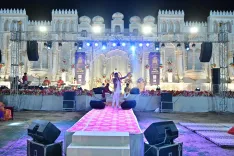
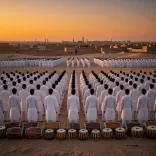
The post was shared with four images from the festival site.
At the water's edge in Surat's Dindoli neighbourhood, as the setting sun caught the surface of Chhath Sarovar, Union Jal Shakti Minister C. R. Paatil stood among thousands of devotees on Sunday, November 15, 2026 — offering witness to one of India's most demanding acts of folk devotion.
Paatil shared his experience on X, writing in Hindi: 'Astachalagami Surya ko arghya arpit karte hue vratiyon ki atoot aastha, anushasan aur samarpan ko dekhkar hridaya bhaav-vibhor ho utha' — 'Watching the devotees offer arghya to the setting Sun, their unbreakable faith, discipline and dedication left my heart deeply moved. This is the greatest strength of our folk culture.'
Chhath Sarovar and Surat's growing eastern-Indian footprint
Chhath Puja is among the most rigorous of Hindu festivals — a multi-day ritual of fasting, standing in water, and offering arghya (water oblations) to the Sun God and Chhathi Maiya, observed without food or water for extended stretches. Its heartland is Bihar and eastern Uttar Pradesh, but decades of migration have carried the festival deep into Gujarat's industrial cities. Surat, a textile and diamond-trading hub, hosts a substantial migrant population from these states, and local Chhath celebrations have grown commensurately in scale and civic visibility.
Paatil extended warm wishes to all devotees, organisers, and pilgrims, praying that the blessings of Bhagwan Suryanarayan and Chhathi Maiya continue to shine on everyone — a closing that resonated with the festival's solar symbolism.
A minister's presence and the politics of folk culture
Central ministers attending regional religious gatherings is a well-established feature of Indian political culture — public outreach that simultaneously signals cultural respect and strengthens constituency bonds. For Paatil, a senior BJP leader and former Gujarat BJP state president now serving as a Union minister, appearing at a festival rooted in Bihar and eastern UP carries additional weight: it underscores the party's effort to build bridges across India's linguistic and regional communities within a shared cultural framework. The festival's emphasis on discipline, austerity, and devotion also maps naturally onto the rhetorical register that leaders across the political spectrum invoke when speaking about Indian civilisational values.
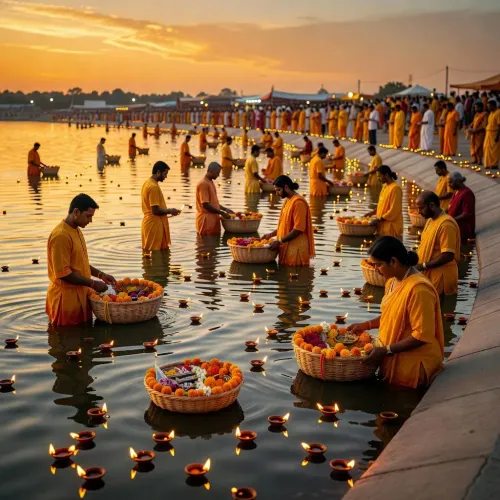
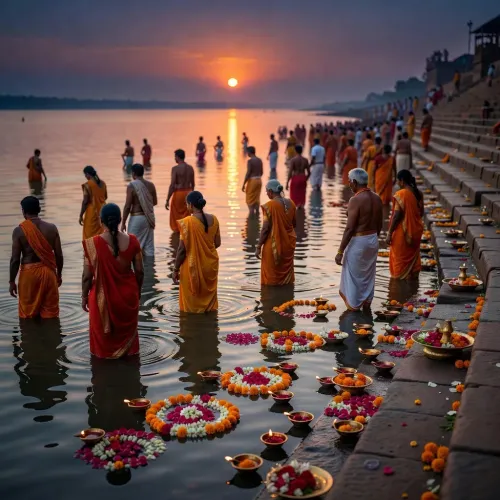
The minister's post, accompanied by four images from the ghats, gave his followers a ground-level view of the evening arghya — the most visually arresting moment of the entire Chhath cycle, when lines of sari-clad devotees wade into water holding brass urns aloft toward the horizon.
Point of View
One that the BJP has used consistently to signal pan-India inclusivity beyond its traditional strongholds. For a minister overseeing water resources, being photographed at a ghats-based festival centred on water-body rituals also carries quiet symbolic resonance. The appearance fits a broader pattern of senior leaders using high-visibility religious moments to reinforce their public identities as guardians of Indian folk tradition. Whether such gestures translate into durable political capital among migrant communities is the longer question.
NationPress
15 Nov 2026
Frequently Asked Questions
What is Chhath Puja and why is it celebrated in Surat?
Chhath Puja is a Hindu festival dedicated to the Sun God and Chhathi Maiya, involving fasting and arghya rituals at water bodies. It is celebrated in Surat because the city has a large migrant population from Bihar and eastern Uttar Pradesh, where the festival originates.
Why did C. R. Paatil attend Chhath Puja in Surat?
Union Jal Shakti Minister C. R. Paatil attended the Chhath Puja celebrations at Dindoli, Surat on November 15, 2026, as part of public outreach and to honour the festival's cultural significance for the local community.
What did C. R. Paatil say about Chhath Puja?
Paatil said that witnessing the unbreakable faith, discipline and dedication of Chhath devotees moved him deeply, calling it 'the greatest strength of our folk culture.' He also extended wishes for the blessings of Suryanarayan and Chhathi Maiya.
Where is Dindoli Chhath Sarovar located?
Chhath Sarovar is a water body in the Dindoli area of Surat, Gujarat, that serves as the venue for the local Chhath Puja festival.
What is arghya in Chhath Puja?
Arghya is the ritual offering of water — typically held aloft in brass or clay vessels — made by Chhath devotees to the rising and setting Sun. The evening arghya, offered to the setting Sun, is one of the festival's most visually iconic moments.